
Targeted Advice For Certified Food Manager Training And Testing

MN Certified food manager training and testing

With business returning to normal in the foodservice industry, we’re seeing an influx of certified food manager candidates taking the training courses for the first time. Whether you took an online food manager training course during COVID-19 and have yet to experience in-person training or are a fresh face, it’s sometimes a stress reliever to know what to expect when you attend certified food manager training and prepare for the certification exam. As a precursor to your upcoming class, we’d like to break down what you should expect from certified food manager training and testing.

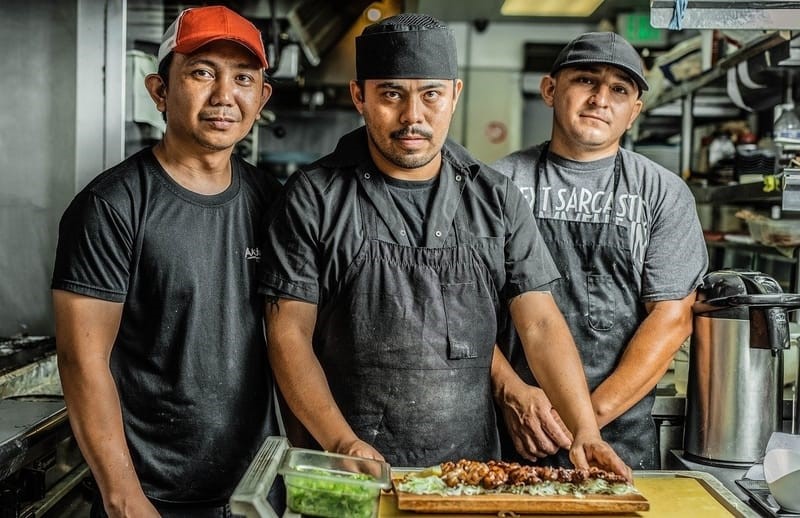
MN Certified Food Manager Training And Testing by Safe Food Training
Image credit: Safe Food Training

A Certified Food Manager Training and Testing Prep Guide

Our certified food manager training sessions are not like your typical class. In fact, our goal is to make sure that you absorb the material and have a good time while doing it. We don’t expect students to just sit quietly and listen while taking frantic notes for hours on end. Our classes are meant to be engaging and enlightening. We realize there’s a lot of information to learn in one day, that’s why we promote discussion, questions and conversations with your fellow future certified food managers. Here are a few tips that can help you be ready for success when you take a certified food manager class and exam:

  • Review the pre-study material ahead of time
  • Get a good night’s sleep the night before
  • Make notes of specific questions and topics you would like more information about
  • Don’t be afraid to engage in discussions or ask for clarification

If you do these things, you should be relaxed, prepared, and set up for success when it comes time to take the exam. During the exam, don’t rush because you’ll have plenty of time. Remember, if you’ve reviewed the materials, engaged in the discussion and taken quality notes all the information you need to pass should be in your head.

Are you preparing to take the certified food manager training and testing for the first time?

A Safe Food Return To The Unique MN State Fair

Sae Food Return to MN State Fair

One of the events we missed most due to the COVID-19 crisis was the annual Minnesota State Fair. Now that we seem to have the pandemic under control, we’re excited to see that we’ll be able to once again enjoy the food, the livestock and attractions of this event. Let’s take a look at some of the confirmed safe food activities that will be returning to this years MN State Fair.

Safe Food return to MN State Fair
Image credit: ©scandamerican/123RF.COM

Safe Food Activities of the 2021 Minnesota State Fair

Appropriately dubbed “The Great Minnesota Get-Together,” we finally get to enjoy concerts at the grandstands once again in person. Some highlights of the fair’s concert series at the grandstand stage include:

  • The Doobie Brothers
  • TLC and Shaggy with Bone Thugs-n-Harmony
  • George Thorogood and the Destroyers
  • Tim McGraw

Besides concerts, there’s also plenty of rides for the young and the young at heart, art shows, animals and competitions, but we’re excited to see what new foods we can find as well as enjoy some of our old favorites.

Looking over the list of vendors, we see plenty of fair safe foods to please any craving. A few items were ready to try include:

  • Vietnamese Sausages
  • Deep Fried Bison Ravioli
  • Fudge Dipped Fruits
  • Waffle Burgers

Besides these safe foods, there will be plenty of refreshing beverages ranging from Cucumber Jalapeño Limeade and specialty beers found only at the state fair.

It’s been nearly two years since we last saw each other at the fair. Will you be enjoying the safe foods at this year’s state fair?

Professional ServSafe Food Managers Need To Inspect Ready-to-Serve Produce

ServSafe Food Managers Need To Inspect Ready-to-Serve Produce

A high percentage of ServSafe food managers rely on produce items that are packaged ready to serve, but that doesn’t mean we can simply look at the expiration date and serve to customers without some sort of inspection process. Just because your bag of salad greens claims to be triple washed and good to go right out of the bag, it doesn’t mean there are zero food safety risks or quality control issues.

ServSafe Food Managers Need To Inspect Ready-to-Serve Produce
Image credit: baojia1998 via 123rf

ServSafe Food Manager Safety Procedures For Ready-to Serve Produce

Prepackaged produce can be a huge timesaver. Bagged spinach, salad mixes, shredded lettuce and even precut fruit greatly reduce prep time and allows kitchen staff to take care of items that can only be prepared in their facility, but there are some risks involved with these products. ServSafe food managers must look out for:

  • Foreign objects
  • Spoilage
  • Signs of insects
  • Allergen ingredients

We’ve seen news stories of foreign objects found in bagged lettuce that range from golf balls to dead mice. Sometimes, like in a recent story out of Seattle, something rare like a deceased lizard actually makes its way to the consumer. In this case, the salad mix in question came from a reputable supplier that appears to triple wash greens and have procedures to prevent foreign objects from making their way into bags, so it just goes to show that no matter how careful your supplier is there may be risks. It’s not like a lizard make a habit of frequenting kitchens outside of their native habitat.

It’s also important for ServSafe food managers to look for signs that your prepackaged lettuce mix has begun to spoil or may have been contaminated with insects at some point during the process. Greens that have started to turn brown, black or have abnormal deterioration should not be served to customers.

Finally, some companies that produce ready-to-serve salad mixes have varieties of their products that may contain nuts, eggs or dairy. Check the labels and ingredient lists carefully to be informed if a customer with one of the allergies dines at your establishment.

Do you take the time to inspect previously washed produce?

Could Food Safety Managers Actually See Insects On Their Menus In The Future?

Could Food Safety Managers Actually See Novel Foods On Their Menus In The Future

“Waiter! Waiter! There’s no fly in my soup!” is something we never expect a guest to exclaim while dining out, but will food safety managers need to be ready for that in the future? While we find no trend on edible insects in the United States, the EU has recently begun investigating yellow meal worms as a novel food source. While there isn’t any mainstream call to begin serving meal worms in restaurants all across the US or European continent. Novel foods, like meal worms, bring up an interesting question as to where exactly the line is for what food safety science determines will be safe to eat and what’s not.

Could Food Safety Managers Actually See Novel Foods On Their Menus In The Future

Will the Food Safety Industry Embrace Novel Foods?

If we look at the history of edible food, we’ll see ancient cultures considered some foods unacceptable to eat that are common on our plates today while some ate foods we would never think about ordering at a restaurant. Some food historians suggest that unclean or forbidden foods may have become unacceptable due to the illnesses cause by consuming them. Parasites, bacteria and viruses we can control today with proper preparation directed by a certified food safety manager were potentially deadly before food safety science was even a theory.

Other plants and animals have been kept off of plates for centuries because, well, they just seem gross. Who really wants a few crawling mealworms in their salad? But we don’t imagine the first person to see a lobster thought that it might be delicious based on appearance.

According to the study, the novel food, yellow meal worms pose no high-level food safety risks. In fact, the study showed that they’re mainly composed of protein, fat and fiber. All ingredients digestible and usable by the human body.

We’re probably a long way off from seeing insects on our menus, but would you ever consider serving a novel food such as meal worms or other non-traditional ingredient?