
Valuable Procedures For CFPMs Who Are Serving Raw Fish

Procedures For CFPMs Who Are Serving Raw Fish

Raw fish dishes are a popular summer time item as guests crave sushi, sashimi, poke or fish tartare on hot days. Fish served raw, undercooked or cooked with acid rather than heat can pose a higher foodborne illness risk than fish cooked to temperature, so how can certified food protection managers prepare these dishes in a way that is safe for their guests? Let’s take a look at how CFPMs (Certified Food Protection Managers) can reduce the chances of sickening a guest when serving one of these tasty and popular raw fish dishes.

Valuable Procedures For CFPMs Who Are Serving Raw Fish
Image credit: greenartphotography via 123rf

How CFPMs Can Serve Raw Fish Dishes Safely

For the intent of this discussion, when we refer to raw fish dishes we’re referring to fish that has not been cooked to temperature. While dishes such as ceviche, crudo and some tartare dishes may have been cooked or cured with acids such as citrus juice or vinegar, they still haven’t reached a temperature that kills pathogens. Seafood and fish pose a high risk of spreading illness via parasites and there are two effective ways of killing these parasites: cooking and freezing.

Since we’re talking about raw fish appetizers and dishes, cooking is not an option, so certified food protection managers must either freeze fresh fish or ensure that it has been previously frozen by the supplier or distributer. Before serving raw fish verify that you or your supplier has:

  • Frozen and stored fish at -4 degress or below for seven days
  • Frozen fish to a solid -31 degrees then stored at -31 degrees for 15 hours
  • Frozen fish solid at -31 degrees and then stored at -4 degrees for 24 hours

This procedure must be followed for all fish that is intended for raw consumption with one exception. Note that fish must be frozen solid before you start factoring in frozen hold time. Certain species of fresh tuna does not require freezing before serving raw. These species commonly go under the names of:

  • Yellow Fin
  • Northern or Southern Blue Fin
  • Bigeye Tuna

Fish eggs that have been properly harvested and rinsed may also be served raw without the freezing process. While we’ve focused on fish in this article, we should note that molluscan shellfish and seas scallops fall under different guidelines. Before deciding to serve raw oysters, mussels or clams, you may want a quick refresher on serving molluscan shellfish in the summer.

Do you enjoy raw fish dishes on a hot summer day?

Are Farmers’ Markets Approved Sources of Ingredients for ServSafe Managers?

With summer time here, we’re seeing an increase in locations for weekly farmers’ markets all around our state. We’ve been asked from time to time whether ServSafe managers are allowed to purchase produce and other food ingredients from these farmers’ markets for use in their restaurants and food production businesses. The short answer to this question is yes with some exceptions, but there are few factors ServSafe Managers should consider when choosing a farmers’ market to purchase your ingredients.

Farmers' Markets Approved for Sources of Ingredients for ServSafe Managers
Image credit: jpellgen (@1179_jp) via flickr

Tips for ServSafe Managers Purchasing Ingredients at Minnesota Farmers’ Markets

The type of ingredient you’re purchasing from a farmers’ market will determine whether you can use it in your food establishment. According to the Minnesota Food Code, you may purchase produce directly from the grower, so fruits and vegetables don’t require special certification as long as you ensure you’re purchasing directly from the grower. However, if you choose to purchase eggs or raw proteins you must ensure a some conditions have been met.

  • Meat and Poultry have been USDA Inspected
  • Eggs must be Grade B or better

Besides checking on whether or not meats and eggs have passed inspection, you may also wish to take some time to evaluate how they are displayed for sale at a farmers’ market. Raw proteins and eggs displayed in open air have more risk of having been contaminated by flies, heat or other foodborne illness risks. In the heat of summer, there is a greater risk for these sensitive items to be exposed to danger zone temperatures. If you choose to purchase inspected and graded proteins from a farmers’ market, use your best judgment on how it’s stored and make sure you have the capabilities to transport them safely at temperatures below 41 degrees. From a food safety standpoint, inquiring about delivery may better way to purchase eggs and meat from local farmers.

We’ve also been asked whether farmers’ markets have any regulations or inspection. The Minnesota Department of Agriculture has put together a list of approved farmers’ markets. This list is fairly extensive, so there’s sure to be an approved market near you.

Are you a ServSafe manager that frequents local Minnesota farmers’ markets?

Expert Food Safety Tips For The Return Of Food Truck Festivals

Expert Food Safety Tips For The Return Of Food Truck Festivals

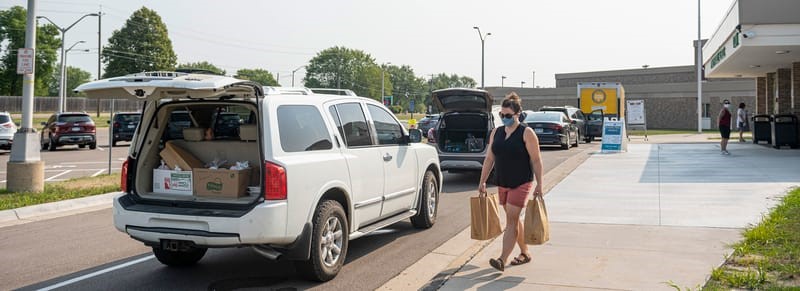
After a year of restrictions, the activities our area is famous for are returning and Minnesota residents are eager to resume their summer adventures. Events like Minnesota Food Truck Festival are coming back after being cancelled in 2020, and we can’t be more exited. With an estimated 50 vendors, live music, games and other activities, you may want to mark your calendars on July 17th in St. Paul and August 12st in Anoka for these events. If you’re a food truck owner, it’s probably been a while since you’ve had these kind of opportunities, so it’s helpful to review a few food safety training protocols for food trucks.

Food Safety Tips For The Return Of Food Truck Festivals
Image credit: City of Anoka

Food Truck Food Safety Training for Large Events

Food truck operators face unique challenges when it comes to food safety due to the nature of their business. Food truck kitchens are smaller, must rely on outside sources for water and other utilities and must operate with limited staff due to the cramped kitchen space. Here are our top three food safety risks food truck owners must monitor:

  • Handwashing capabilities
  • Cross-contamination potential
  • Time and temperature control

Many food trucks don’t have an unlimited supply of water built in, so operators should find locations with an onsite water supply for handwashing. Fortunately, most sites that host food trucks will have water access available. Just remember that your location must have hot water available in order to ensure properly washed hands. Depending on the volume of business, some jurisdictions allow an onboard water tank to be used as a water supply. If your truck has that capability, be sure to test your supply to ensure it’s hot enough to ensure clean hands. Remember that every time you change gloves or touch raw foods, you need to wash your hands properly.

Due to the limited storage, there is ample potential for cross contamination. In order to prevent foodborne illness from cross contamination, we suggest using separate cold storage for raw product, produce and ready-to-eat-foods.

Finally, many food truck operators hot hold certain items in order to improve efficiency. Food safety managers who operate food trucks should periodically review proper time and temperature control with any employees working in their food truck.

Do you operate a food truck or plan on attending a food truck festival this summer?

Advice For Food Safety Managers Re Startling Norovirus Rise In MN

Advise for Food Safety Managers re Startling Rise in MN Norovirus Infection Rate

In our daily research on current food safety risks and outbreaks, we came across an article outlining a recent rise in norovirus infections in Minnesota. Norovirus spreads extremely easily and causes vomiting, diarrhea and other stomach issues. Even though it’s easily spread, it’s also easy to combat with simple food safety measures. Let’s take a look at how food safety managers can do their part to help control norovirus spread.

Advise for Food Safety Managers re Startling Rise in MN Norovirus Infection Rate
Image credit: antos777 via 123rf.com

Controlling the Norovirus Outbreak in Minnesota

Over the course of the past year, business has been down in the food service sector, but now that things are beginning to open, our restaurants are once again nearing capacity increasing the risk of foodborne illnesses like norovirus. Fortunately, norovirus can be controlled using basic sanitation methods and monitoring employee hygiene. The simplest way to stop the spread of norovirus includes the following simple food safety steps:

The good news is that these norovirus infection issues have been reinforced due to COVID-19 prevention, but as our restaurants begin to get busier and food service workers face more hectic shifts, we cannot become lax with these basic food safety management protocols or we’ll face more foodborne illness outbreaks such as the current rise in norovirus in our state. Remember to take the time to wash your hands often, wear food-service gloves or tongs when handling food and stay home when under the weather.

Have you taken steps to review basic food safety procedures as business begins to pick up?