The Truth About Temperature Control For Food Safety Certification MN

Temperature Control For Food Safety Certification Boiling Water Method

Temperature Control and Food Safety Certification MN

In order to obtain Food Safety Certification in MN, one key is to understand how to control the temperature of cooked foods, and the proper cooking temperatures for raw foods. Grasping these concepts is not only necessary in order to gain your food manager certification, but also to prevent foodborne illness and ensure quality.

Proper Temperature Checking Technique

Simply inserting your probe thermometer into a cooked meat item will not always give you an accurate temperature result. There are certain things that you should be aware of to ensure proper control when checking the temperature of prepared food items:

  • To check the temperature of beef, lamb, and pork roasts, you need to check the thickest portion.
  • Avoid contact between your probe thermometer and any bones
  • To check the chicken, probe on the thickest part of the breast.
  • It is recommended that thin food be checked with a thermocouple-style thermometer
  • Stir hot and cold soups, sauces, and other liquids before checking them.

Food Safety Certification Tips For Calibrating Your Probe Thermometer

No matter how often you check the temperature of your temperature-controlled items, you will not receive accurate results if you are using a probe thermometer that is not properly calibrated. Health inspectors will calibrate their thermometers before every inspection. Likewise, food safety certification-aware kitchen staff should also recalibrate often to assure accurate temperature control. Thermometers should be calibrated before their first use after they have been dropped, or after they have gone from one temperature extreme to the other. There are two methods to properly calibrate a probe thermometer.

Boiling method

  • Bring water to a boil
  • Once your water has reached a boil, insert your thermometer
  • Adjust your probe to read 32 degrees Fahrenheit.
  • Ice-water method
  • Fill a container with crushed ice and then add water
  • Wait five minutes in order for your ice water’s temperature to stabilize
  • Insert your thermometer into the center of your ice water, making sure the probe does not touch the side or bottom of your container
  • Adjust the probe to read 32 degrees Fahrenheit.

Ice Water Method

Temperature Control For Food Safety Certification Ice Water Method
Image credit: Flickr
  • Ice-water method
  • Fill a container with crushed ice and then add water
  • Wait five minutes in order for your ice water’s temperature to stabilize
  • Insert your thermometer into the center of your ice water, making sure the probe does not touch the side or bottom of your container
  • Adjust the probe to read 32 degrees Fahrenheit

    The ice-water method is the safest and most accurate method.  The Food Safety Certification MN training should cover these tips and other temperature control information in depth to ensure understanding.

    Who Should Immediately Obtain A Food Protection Manager Certification?

    who should obtain food protection manager certification

    Most establishments that process or serve food must have an in-house leader with food manager certification MN. Although regulations require this certification, they do not specify which manager in the company should obtain a food protection manager certification.

    We feel that to get the most value out of food protection manager certification, it is essential to make sure that a person who directly oversees and manages food production is certified. In many smaller food service establishments, such as restaurants, it is not uncommon for the owner to be certified. This is only a good idea if the owner is under constant supervision of his kitchen. Many restaurant owners spend more time supervising the floor and taking care of guests than overseeing the day-to-day operations of the kitchen staff. If this is the case, you should consider your Chef, Sous Chef, or kitchen manager for certification.

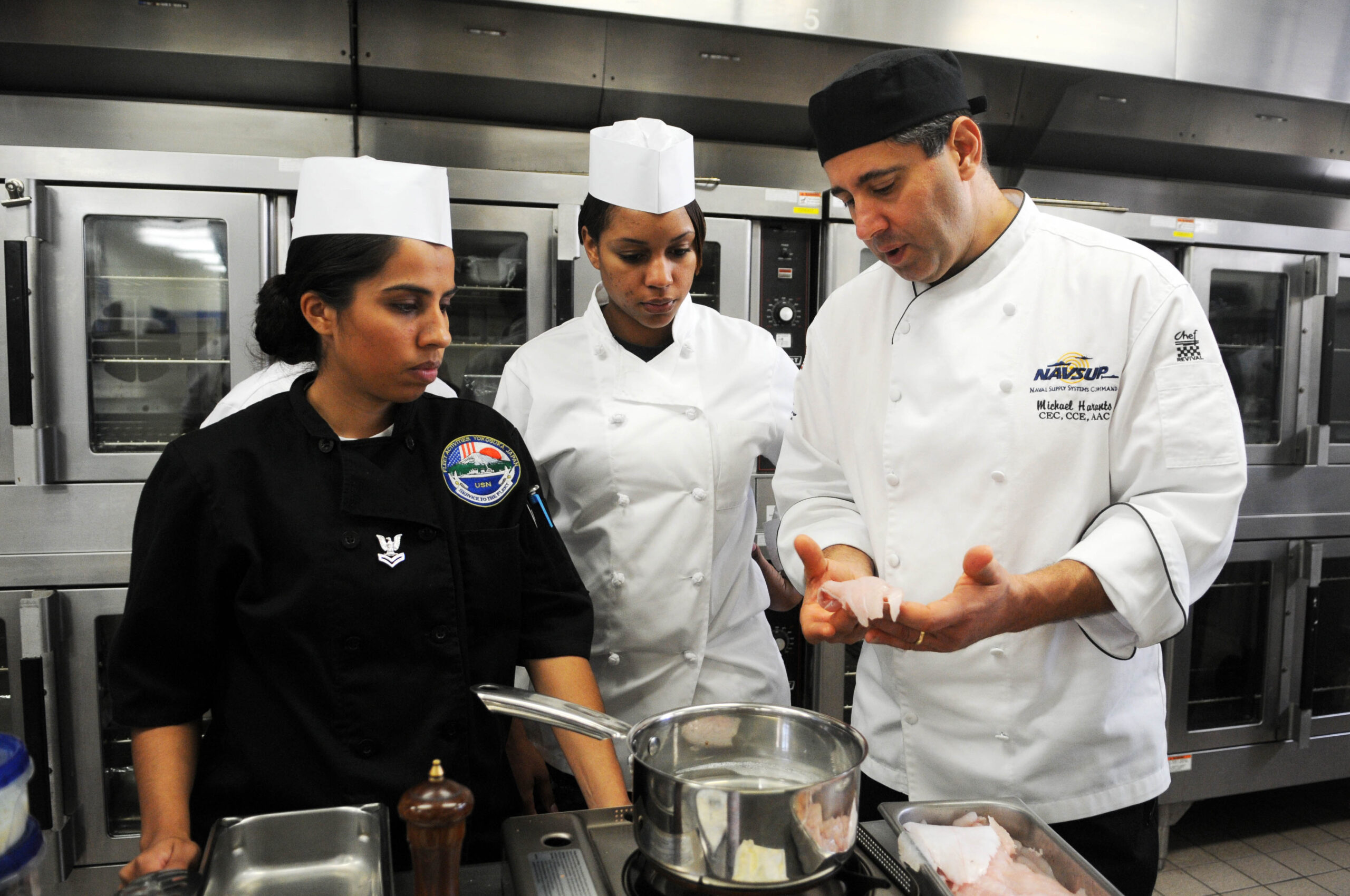
    Who should obtain food protection manager certification
    Image credit: US Navy

    In large-scale establishments, we suggest an overseer of production gain food protection manager certification. They will have a much easier time dealing with food safety issues than a manager who spends little time supervising production. If you are coordinating multiple locations, keep in mind that there must be one certified manager at each location.

    There are some jurisdictions in the state that require that there is a certified person present whenever the business is operating. For those businesses, it is important to have several key people certified so that there is always coverage.

    Role of the Certified Food Protection Manager

    When selecting a candidate to be a CFPM, it is important to take into consideration the duties expected of them and their role in your establishment. Keep the following duties in mind when you determine who you will have certified.

    Your certified manager should be in a position to:

    • Identify potential food safety hazards in the workplace
    • Develop procedures to reduce the potential for foodborne illness
    • Coordinate food safety training for employees
    • Ensure there is a Person in Charge (PIC)
    • Correct procedures and habits as necessary to protect consumers
    • Inspecting daily operations periodically ensures proper following of food handling policies.

    When selecting a leader to obtain a food protection manager certification, it is essential to ensure that their position will allow them the opportunity and ability to fulfill all of these duties. For more information on these regulations, the official fact sheet can be obtained from the Minnesota Department of Health.

    Safe Food Training has scheduled classes at convenient locations around the Twin Cities and central MN. It’s quick and easy to register an individual or several employees to take the training and exam. Register early, to assure the availability of the date and location you want.

    Simplified Reasons For MN Certified Food Protection Manager Training

    MN certified food protection manager CFPM

    Minnesota law requires most food establishments to employ a Certified Food Protection Manager (CFPM) to prevent foodborne illness and ensure public safety. Safe Food Training offers both personalized 8-hour initial certification courses and 4-hour continuing education renewals to help you meet these state standards. Whether you choose our 

    distraction-free in-person classes or flexible online options, we ensure your MN food license remains compliant.

    What are the worst messages you could get when opening your kitchen for the Thursday lunch shift? You could be dealing with a broken walk-in cooler or a supplier who shorted your produce order. But the absolute worst message is multiple customers calling to report they’re doing the “Pepto Bismol dance” after eating your Wednesday daily special.

    Beyond the immediate panic and guilt, a single foodborne illness incident can devastate your business’s reputation. To prevent these embarrassing and costly situations, the Minnesota Department of Health (MDH) and the Minnesota Department of Agriculture (MDA) mandate that most food establishments employ a Certified Food Protection Manager (CFPM).

    The Real Cost of Food Safety Lapses

    illness reporting in MN
    Do you know the rules for illness reporting?

    Food safety isn’t just about passing your routine health inspection; it’s about protecting your community and your financial investment. In a recent study by the USDA Economic Research Service, the total cost of the leading U.S. foodborne illnesses was estimated at over $17.6 billion annually.


    For a local Minnesota business—whether you’re running a busy diner in St. Paul or a school cafeteria in Duluth—the costs of an outbreak include:

    • Severe Revenue Loss: A “closed by health department” sign stops traffic instantly, and bad online reviews linger for years.
    • Legal and Insurance Costs: Potential lawsuits from affected customers will immediately spike your liability insurance premiums.
    • Licensing Risks: Failure to have a CFPM on staff can result in state-issued citations, fines, or a complete license suspension.

    Minnesota CFPM Requirements at a Glance

    certification
    Choose how you learn best.

    Navigating state regulations doesn’t have to be a headache. Here’s exactly what Minnesota requires for your certification:


    Requirement

    Details

    Initial Certification

    Must complete an approved 8-hour course and pass an accredited exam.

    Renewal Cycle

    Your Minnesota CFPM certificate expires every three years.

    Continuing Education

    4 hours of approved continuing education (CE) training is required for renewal prior to expiration.

    State Registry Application

    After passing your exam or completing CE, you must submit an application and fee to the MN Department of Health to get your official state certificate.

    The "Choice" Narrative: In-Person vs. Online Training

    At Safe Food Training, we know that food safety shouldn’t be a generic, one-size-fits-all experience. Restaurant managers have different learning styles and schedules, which is why we emphasize your choice in how you train.

    The In-Person Advantage: We highly recommend our in-person training. Stepping out of your restaurant into a distraction-free environment drastically increases your focus and your exam pass rate. It allows for direct interaction, letting you ask specific questions about cooling a 5-gallon batch of chili or calibrating bimetallic stemmed thermometers.

    The Online Flexibility: If you’re managing multiple locations or simply can’t leave the kitchen for a full day, our online training options provide the critical flexibility you need to learn on your own schedule while still meeting state requirements.

    The Backend is Serious Business

    Designers set the mood in the front of the house with lighting, furniture, and music. But the back of the house is serious business. Led by Jeff Webster, Safe Food Training brings years of real-world industry experience to the classroom. We cover vital, tangible best practices, including:

    Training for you and your team-salad prep
    Training for you and your team.
    • Temperature Control: Mastering the “Danger Zone” and Safe Cooling Parameters.
    • Cross-Contamination: Strict protocols for separating raw poultry from ready-to-eat foods during prep.
    • Employee Hygiene: Enforcing strict handwashing and health reporting policies for sick employees.

    Requiring your kitchen managers to get and maintain their food safety certification is one of the best investments an owner can make.

    Frequently Asked Questions (Q&A)

    Navigating state regulations can sometimes feel overwhelming, so I’ve put together answers to some of the most common questions we get from Minnesota kitchen managers.

    Q: How often must I complete continuing education to maintain my food safety certification in Minnesota?

    A: In Minnesota, you must renew your certified food protection manager license by completing 4 hours of continuing education every three years.

    Q: How will I know when it's time to renew my certification?

    A: As a valued client of Safe Food Training, you don’t have to worry about tracking your renewal date. We provide timely reminders for the three-year renewal cycle to ensure you complete your required continuing education before your certification expires.

    Q: I just need continuing education credits. Do I have to take the full 8-hour course?

    A: No, you don’t. We offer dedicated continuing education training specifically for professionals who need to fulfill Minnesota’s renewal requirements.

    Q: What happens if I don't pass the Certified Food Protection Manager exam on my first attempt?

    A: We’re dedicated to your success. If you don’t pass the exam on your first try, we offer a retake of the course and exam at one of our regularly scheduled sessions.

    Q: What does "personalized training" actually mean?

    A: We focus on creating a convenient and effective learning experience that fits your specific needs. Led by Jeff Webster, we discuss the food safety challenges relevant to your unique operation—whether you’re in a school cafeteria, a large restaurant, or a catering business.

    Protect Your Kitchen, Protect Your Business

    commercial kitchen
    Sign up for the next available class today!

    Don’t leave your restaurant’s reputation to chance or wait until a health inspector knocks on your door to check your credentials. Whether you need your initial certification or it’s simply time for your three-year renewal, we’re here to make the process straightforward and stress-free.

    Ready to secure your Minnesota food license? Register for an upcoming course today!

    A Confidential Certified Food Manager Perspective On Product Recalls

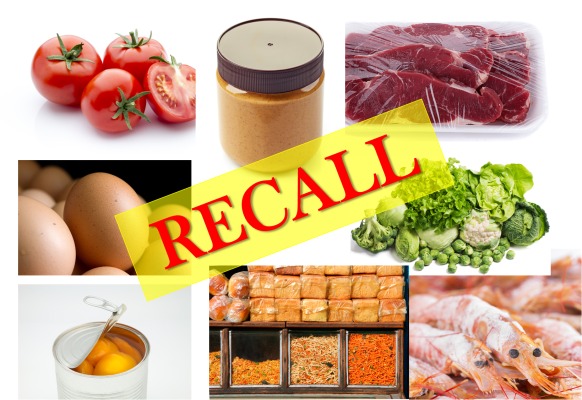
    Shows several products a Certified Food Manager may encounter with Product Recalls

    If you’ve gained your food manager certification, you know that there are many ways that food-borne illness can spread. Even if you’re diligent with your safety procedures, there may be times when tainted product is delivered to your establishment and can cause a safety issue that you are unaware of. This week, we’ll discuss how a certified food manager can keep up to date on product recalls. Equally important, we will advise on handling potentially compromised product.

    Confidential Certified Food Manager Perspective On Product Recalls

    How Certified Food Managers Keep Informed About Recalled Food Products

    One of the easiest ways to stay informed is to talk with your suppliers. Nowadays, most managers order their supplies online and may only see your supplier’s representatives on rare occasions. Taking the time to have to a regular conversation with your supplier is important for several reasons. And it’s especially helpful to keep you updated on recalls and safety issues with product that you regularly use.

    With information readily available on the internet, online sources can be a great resource when researching product recalls. There are, however, numerous sources that may be unreliable. So we’d like to share a few on-line sites that can help keep you up to date:

    First, the Minnesota Department of Health is a great resource a certified food manager can use for local product recalls and food safety alerts. This page offers links to local information and external sources for recall alerts. Second, the FDA’s recall site provides an easy to use chart. It defines:

    • The company involved with the recall
    • The recall reason
    • Detailed information concerning the FDA’s action concerning the issue

    Finally, Food Safety News is not a government or officially moderated site. But they provide a wealth of information concerning food safety hazards and recalls. Consequently, they cover news that may not be reported by mainstream news outlets.

    Handling Potentially Compromised Product

    When a certified food manager suspects they have received tainted or recalled product, the first they should notify your supplier. If you received it from a food service supplier, then their representatives will be able to retrieve the product and make sure that you’re reimbursed or a safe product is substituted. If you picked up your potentially contaminated food product directly from the source, it’s generally a good idea to return it to the outlet where you purchased it. In either case, if there are any complications or you’re concerned that this may be a serious issue, you may wish to contact your local health department.

    We’d like to know how you keep up to date on food safety issues. Is there a resource or web-site that we may have missed?