Findings of FDA Report on Romaine Lettuce Recalls

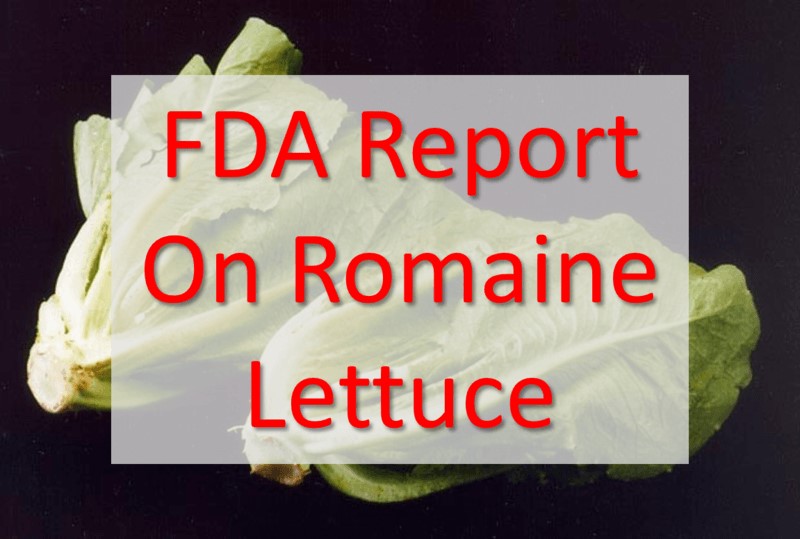
Recent major recalls of romaine lettuce have increased the concern certified food protection managers have for putting romaine on their menus and calls into question the future of this crispy green lettuce as a staple in the industry. In mid-February, the FDA report on romaine lettuce concluded its research into the latest recall of E.coli contaminated lettuce and was able to not only trace the source of the contaminated romaine, but also the likely method of contamination.
FDA Report On Romaine Lettuce
Image credit : Wikimedia Commons

FDA Report on Romaine Lettuce Linked to E.coli Contamination

The FDA has traced the origin of contaminated lettuce to a farm in Santa Barbara County, CA. More specifically, the FDA report on romaine lettuce has discovered an unsanitized water reservoir with traces of the same strain of E.coli that was used by several ranches in the community. The water from this reservoir is the mostly likely cause of contamination causing food-borne illness across the nation. E.coli can into contact with lettuce during rinsing after harvest or during harvest by coming into contacted with harvesting equipment that had been washed with contaminated water.

Now that we have this information from the FDA report on romaine lettuce, it brings up two questions:

  1. Why such a massive recall if the outbreak can be traced back to one specific growing area?
  2. How can certified food protection managers use this information to keep their product safe?

The answer to the first one is simple; there is no efficient method to trace the source of contaminated produce. There are numerous farms and ranches that produce romaine lettuce, and with so many major producers and buyers, the process of tracing back a single head, case or major supply can often take time. Restaurant suppliers purchase their lettuce from numerous sources, so the romaine you receive on a Tuesday can come from one part of California while Friday’s shipment originates in another or even New Mexico. The CDC and FDA simply have to err on the side of caution when it comes to issuing warnings and recalls for any major product.

Finally, and unfortunately, when it comes to E.coli and lettuce, the only recourse food safety managers have is to throw out recalled product and alter their menus in the event of an outbreak. Rinsing lettuce will not one-hundred percent remove E.coli from any produce product.

With such a large amount of lettuce suppliers, do you think any tracking system of contaminated product is possible, or will major nationwide recalls become the norm?
FDA Warning On Avocados Has Broader Implications

MN Certified Food Protection Managers and an FDA Warning On Avocados

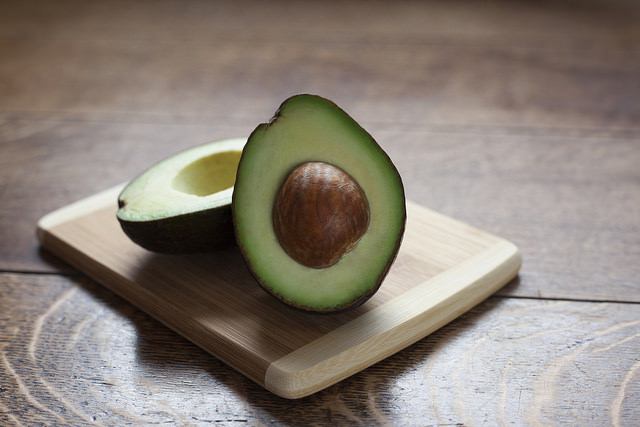
Last December, the FDA issued a microbiological sample study on whole, fresh avocados. As a result of this study, they have warned the general public that a chance of listeria poisoning exists if the skins are not washed before cutting. We’ve looked at their study, and we agree MN Certified Food Managers should be aware of the FDA warning on avocados, but why stop with avocados?

MN Certified Food Protection Managers and an FDA Warning On Avocados
Image credit: www.kjokkenutstyr.net via flickr

FDA Warning on Avocados (And Washing ALL Skinned Fruits and Vegetables)

During training, certified food protection managers learn that one of the most common causes of food-borne illness is the transfer of bacteria from one surface to another. In the case of the FDA’s recent study, this transfer has been occurring in avocados. But how does listeria end up in a dish containing avocados if we don’t eat the skin?

In the case of avocados, and other fruits and vegetables with rinds, shells or thick skins, contamination can dwell on the surface of the item in question. When you cut into these rinds, your knife blade may come into contact with listeria, salmonella or any number of other types of contaminates. Once this happens, the bacteria simply spreads into the edible portion of your fruits and vegetables as your now contaminated knife slides through the meat of your ingredient.

While there is little chance the insides were contaminated before preparation, the simple act of cutting open an avocado, melon or citrus fruit has now increased the change of illness because of a failure to wash your product ahead of time.

As a certified food protection manager, your role should be to educate and monitor your staff to see that all skinned produce is washed before preparation. Take care to ensure that everyone knows the risks, even some staff members who may not work in the kitchen who prepare ingredients such as lemon wedges for the bar, sliced oranges for garnish or any other employee whose duties involve preparing these types of items.

Do you take extra steps to wash produce with inedible skins and rinds?

How the Government Shutdown Creates Food Safety Challenges

Shutdown Creates Food Safety Challenges

It’s been one of the biggest news stories of the past couple of weeks. The government has been shut down while the President and Congress try to hammer out a budget deal. As a result of this shutdown, thousands of government employees have been furloughed and certain agencies no longer have the funding to operate. At Food Safety Training, we usually keep our noses out of politics, but in this case, the shutdown has created challenges to keeping the food we serve safe.

Shutdown Creates Food Safety Challenges
Image Credit: Picryl

Food Safety Challenges During a Government Shutdown

According to several reports, the FDA has lost funding due to the current shutdown. This means that many of the routine inspections that occur on a daily basis have ceased, and products from uninspected facilities are making their way onto grocery shelves and into the food supply used by restaurants and other industrial kitchens.

The FDA employs in the neighborhood of 5,000 inspectors and runs nearly 160 inspections per month. Those are inspections that are currently not happening. So what can certified food managers do to ensure their product is safe?

  • Inspect all ingredients for potential food safety hazards
  • Wash all produce
  • Cook all meats to the proper temperature
  • Take steps to train all staff on proper food handling procedures

The news isn’t all doom and gloom, however. While the FDA inspection process may have halted, there is still some measure of food safety control. USDA inspections of meat and some egg producers are still occurring as scheduled, the CDC is still funded in the event an agency needs to step in during a food-borne illness outbreak and foreign food inspections on products that are imported to the United States has continued. There is also speculation that the FDA may be preparing to resume inspections on facilities that produce high-risk products.

Besides governmental oversight, many of the largest food manufacturers employ their own inspectors to keep the food that leaves their facilities safe. It’s always in a company’s best interest to make sure their product will not sicken their customers, and while some food hazards slip through the cracks, many food producers have their own checks outside of government inspection.

Are there any food safety challenges that you see as a result of the government shutdown?

Food Safety Training and Current Food Poisoning Statistics

Official statistics help us keep an eye on the state of food safety in our country. Recently, Food Safety News published a summary of a CDC report detailing the most common causes of food borne-illness. There are a few interesting findings in this report, but when breaking down this summary, we noticed two causes of illness that can be prevented or controlled with proper food safety training.

Food Safety Training and Current Food Poisoning Statistics
Copyright: rogistok / 123RF Stock Photo

Using Food-Illness Statistics for Food Safety Training

In the statistics released from this five year study, over 100,000 confirmed cases of food poisoning were recorded. Out of these cases, 5,699 were hospitalized and food-borne illness was responsible for 145 deaths. If we break down these cases to root causes, we can begin to see patterns that we can use for effective food safety training to target common pathogens.

Chicken was the cause of 12-percent of these cases, causing us to believe that many of these situations were the result of under-cooked poultry. It is vitally important to train your staff how to handle chicken properly. There are numerous cross-contamination risks involved in processing raw chicken. Process raw chicken away from areas where ready-to-eat product is being prepared and always store raw poultry on the bottom shelf. Finally, making sure to verify that your chicken has been cooked to 165-degrees is vitally important. We recommend that you use a thermocouple thermometer when verifying the temperature of chicken. These thermometers are highly accurate and ideal for measuring thin chicken breasts and smaller pieces of meat.

The study also shows that the Norovirus was responsible for over 27,000 cases of food-borne illness. Training can go a long way towards preventing Norovirus poisonings. Teach your staff to stay home when they are sick, wash their hands properly and frequently and to avoid bare-hand contact with ready-to-eat foods. Enforcing these three easy-to-do food handling procedures greatly reduces the risk of spreading the Norovirus.

While this study points out quite a few other causes of outbreaks, proper training reduces the risk of poisoning via improperly prepared chicken or the Norovirus. Are there any other ways you use statistics to target food safety training in your facility?