MN Food Safety and National Regulatory Agency Consolidation

At Safe Food Training, we usually avoid commenting on the political landscape unless it directly relates to MN food safety and certified food managers. However, as part of the current administration’s effort to consolidate select federal agencies, a proposal has been put forth to form a single federal food safety agency under the umbrella of the USDA.

MN Food Safety and National Regulatory Agency Consolidation

How Proposed Federal Agency Reorganization Might Affect MN Food Safety

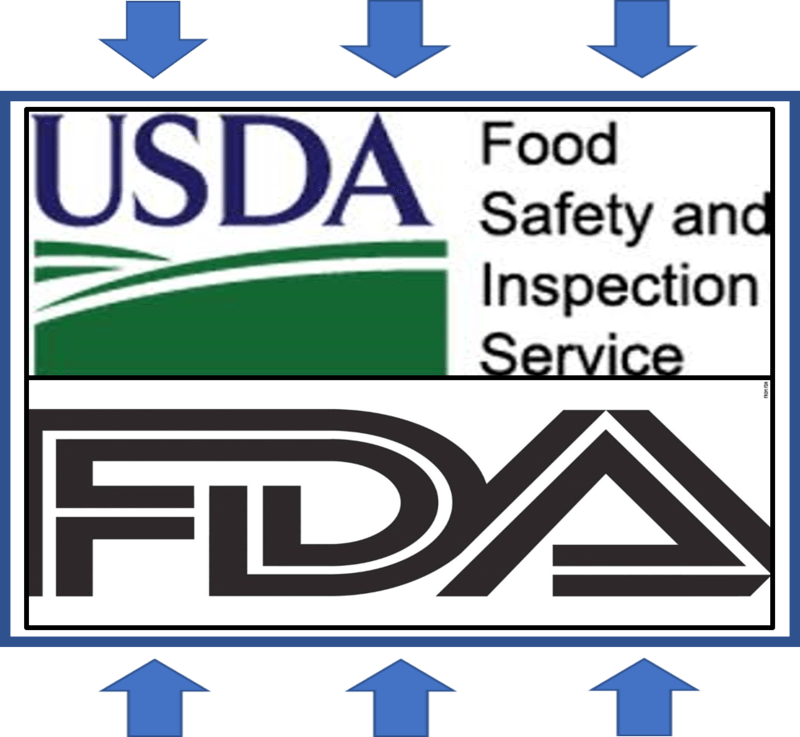
As things currently stand, two agencies, the Food and Drug Administration and a branch of the USDA known as the Food Safety and Inspection Service, have different levels of regulatory power when it comes to food safety in our country. Since there are two agencies, we have to ask what is the difference between the two?

After some research, we’ve discovered that one of the major differences between the two agencies involves what types of products they inspect. For example, the USDA and the FSIS may be responsible for the inspection of poultry, meats and eggs while fruits and vegetables fall under FDA jurisdiction. Meats and canned products containing meat receive quite a bit of scrutiny during inspections by the USDA, but many times large quantities of non-meat canned products, such as applesauce or tomato soup, go uninspected before shipped to consumers. Some seafood and fish products belong under the jurisdiction of one agency or the other. Catfish, for example, is regulated by the USDA while other fresh-water fish are inspected by the FDA.

The line becomes more and more blurred as we delve into pre-made products. The FDA is in charge of closed-faced meat sandwiches, while FSIS regulates open-faced meat sandwiches. This means that one agency regulates frozen pizzas and the other mass-produced pre-packaged breakfast sandwiches. These varied regulations make us wonder if any products slip through this confusing inspection process and pose potential health risks to consumers.

The consolidation of federal food safety agencies is not a partisan issue, or even a new one. The Obama administration put forth a similar proposal during their tenure in the White House.

There may be pros and cons of creating one agency that encompasses all of national food safety regulations and inspection. As a certified food manager with a professional interest in MN food safety, do you feel that a single regulatory agency will help keep the raw ingredients you use safer, or do you think multiple, clearly defined agencies are necessary for extended oversight of national food safety.
What does HACCP mean for ServSafe Food Managers?

What does HACCP mean for ServSafe Food Managers

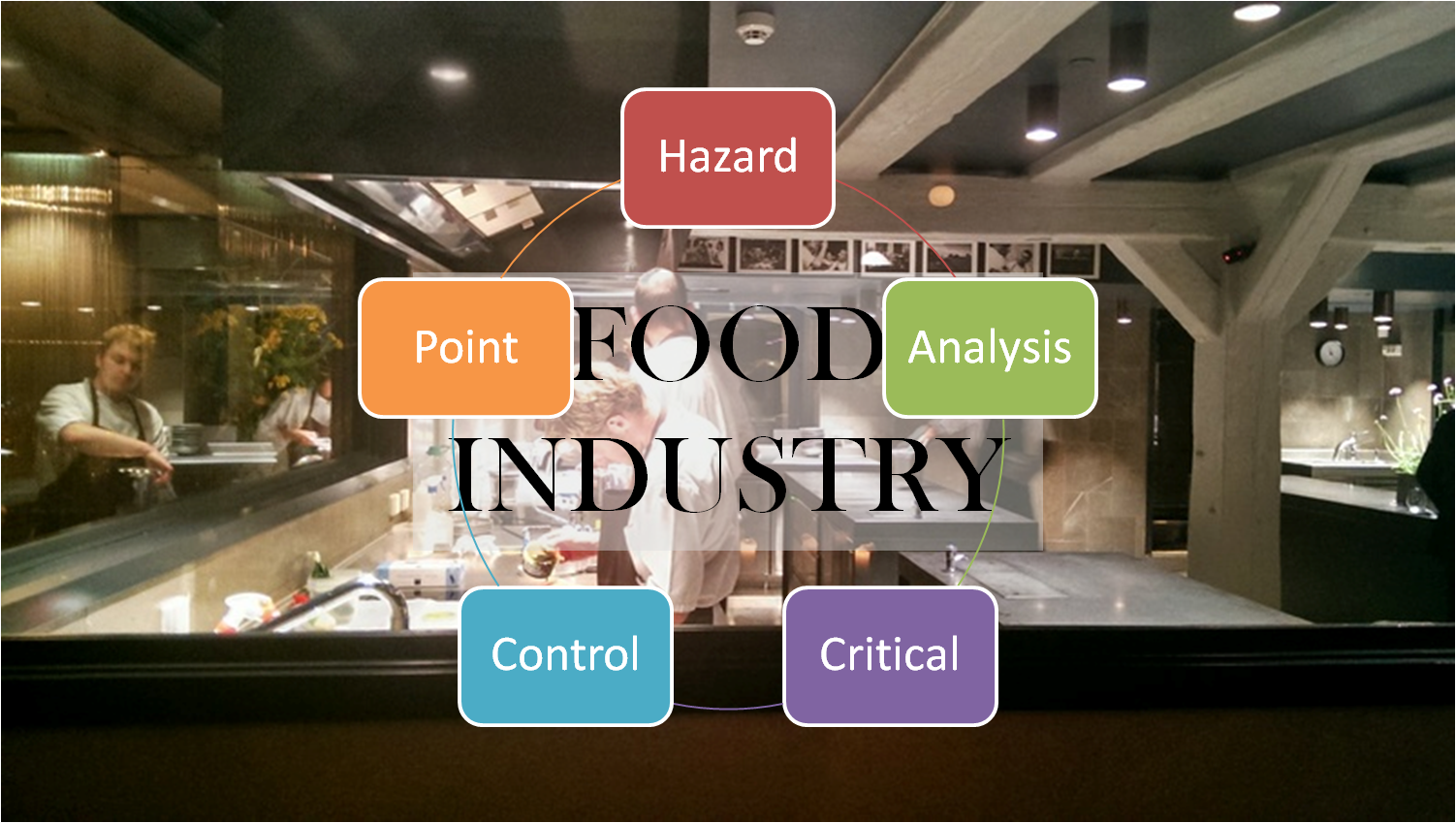
Every so often, ServSafe food managers will come across literature from the FDA or other sources that refer to HACCP procedures. HACCP (Hazard Analysis and Critical Control Point) is a common system for reducing the risk of spreading food-borne illness and keeping the food supply safe. While HACCP standards and action plans are not commonly required in restaurants, many food-producing outlets and raw ingredient suppliers must follow these guidelines.

What does HACCP mean for ServSafe Food Managers

What is HACCP?

HACCP is not quite as complicated as it may sound. The intent of this system is to identify potential food-safety hazards and then take steps to keep food production safe. The basic outline of a Hazard Analysis Critical Contol Point plan looks something like the following:

  • Evaluate and identify potential hazards in production
  • Identify critical points and establish controls to prevent hazards
  • Establish procedures to monitor and measure
  • Correct hazards
  • Keep records of hazards and correction procedures

Whether your facility follows the FDA’s HACCP system or not, these are still steps ServSafe food managers should take. Every facility has its potential hazards whether they come from hot holding, chilling of cooked product or the risks of cross-contamination in storage or prep stations. Once these potential risks are identified and assessed, it is important to monitor them to ensure food safety. This monitoring can come in the form of routine measurement of temperatures, verifying that proper storage and sanitation procedures are followed or any other step that helps keep food safe at these critical points of production.

New FDA Menu Labeling Guidelines and Food Manager Certification in MN

New FDA Menu Labeling Guidelines and Food Manager Certification in MN

Effective the first week in May, the FDA requires all chain restaurants with 20 locations or more to post nutritional information for their menu items. This impacts menu design and how customers view the dishes that you serve.

New FDA Menu Labeling Guidelines and Food Manager Certification in MN
Copyright: auremar / 123RF Stock Photo

The FDA rules apply to restaurants or businesses that serve restaurant-style items and have similar menus at 20 or more locations with the same name. Some exceptions exist for grocery-style items that require further preparation at home such as salad kits, deli meats and cheeses. The types of items that now require posted nutrition information include:

    • Take out item such as pizza and prepared sandwiches
    • Bakery items served over the counter or in coffee shops
    • Scoops of ice cream intended for immediate consumption
    • Certain alcoholic beverages

Nutrition is not a topic that is required for you to obtain your food manager certification in MN, but it will be necessary for supervisors to make sure that nutritional information is properly displayed. If you’re a supervisor at a chain with over 20 locations, your corporate office should send you all of the information that you need, but the information that the FDA requires on display includes:

        • Suggested total daily calorie consumption
        • Total calories and calories from fat in each menu item
        • Sodium
        • Carbohydrates, fiber and sugars

The FDA also requires food served in vending machines to visibly post nutritional information. This information can be available next to each item in the machine or on a digital display, but it must be visible in a place other than the package of the item.

The FDA suggests that making nutritional information available will help consumers make healthier dietary choices. Would nutritional information change your mind about ordering a double-cheese burger and selecting a fresh salad instead?

Food Training Course Discussion on Sell-By and Use-By Dates

Food Training Course Discussion on Sell-By and Use-By Dates

While we specialize in food training courses and online HAACP classes, we also monitor food industry news that affects general consumers as well. We recently came across a discussion concerning a USDA suggestion that food should be labeled with a best-by date rather than a sell-by date. According to the USDA, sell-by dates create confusion among consumers, and they estimate that nearly 30 percent of food waste from consumers and retailers arises from products that are labeled with a sell-by date.

Food Training Course Discussion on Sell-By and Use-By Dates
Image credit: Xymena via Flickr

Food Training Courses and Sell-By Dates

During our study on this subject, we found some pros and cons of labeling product with a best-by date rather than a sell-by date. Many foods such as canned items, pasteurized products and dried fruits have a much longer shelf life than many raw or freshly prepared items. If you have ever taken the time to investigate the sell-by dates on canned goods, you will notice dates that are months or even years into the future. With dates so far ahead of the present, predicting exactly when it will no longer be fit for human consumption is nearly impossible.

We do not believe the USDA’s attention to this subject will focus on long-term sell-by dates, but rather that of proteins and packaged foods that spoil in a short period of time. This presents unique difficulties for companies that process meat, seafood and other proteins. If the USDA does recommend that use-by dates be included on labels, butchers, distribution facilities and seafood harvesters must now decide how long the consumer has to eat or cook the product that they buy.

One thing we would like to see if this becomes the standard is some guidelines from the USDA as to how producers of these kinds of foods can accurately predict a date by which a product must be used. There are many factors that go into how fast food spoils. A refrigeration temperature variation of a few degrees changes how long proteins remain safe to eat, especially sensitive seafood items. The way a grocer stores food can affect raw meat and produce and of course there is no way for food manufacturers to guess how a consumer will handle their food once they have purchased their groceries.

This may be a step in the right direction to reduce the amount of food that consumers waste, but it also brings up concerns as to how food training courses can teach producers can accurately label their product. If you have an opinion on this issue, feel free to leave your comments below.