Extreme Weather Closure Tips for Certified Food Managers

Extreme Weather Closure Tips for Certified Food Managers

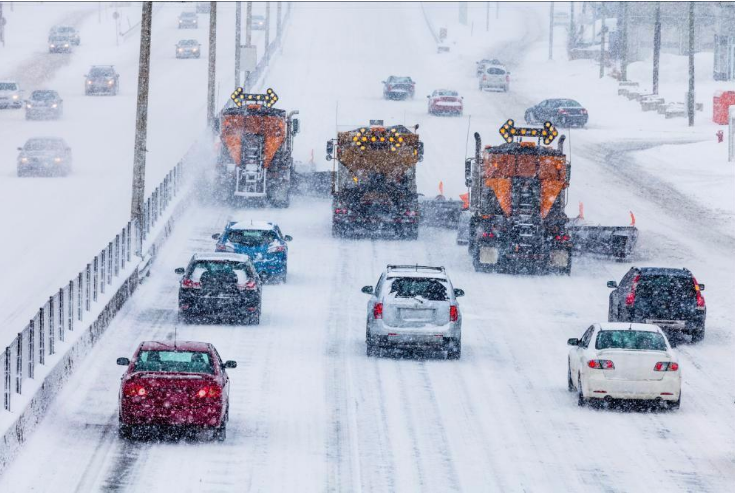
The winter months bring colder temperatures and the potential for incredible amounts of snow. Sometimes the winter conditions in our state create a scenario where roads are treacherous until they can be cleared and hazardous travel conditions dissipate. While every business strives to stay open and be available to provide services to a loyal customer base, circumstances inevitably arise where a certified food manager has to make the call to close up shop for the day.

Certified Food Managers and Snow Closures

If serious weather occurs, having a plan helps keep your staff and customers informed. If there is an active warning or alert, the certified food manager should monitor it closely. Employees on shift during a predicted storm should be notified ahead of time, and if you plan on opening but wish to adjust for lower business volume due to weather, cutting a staff member or two’s shift may help save on labor cost if guests stay home.

You need to communicate with potential guests if you plan on closing for the day or shutting down a few hours earlier than normal. In the past this used to be a major challenge, but we live in the age of the internet. Many consumers turn to social media outlets like Twitter and Facebook during winter storms to verify if a restaurant is open, so keeping your guests updated via these outlets will pass the message along to a majority of your potential customers.

Once you reopen, check to see if entryways are safe for guests to enter and leave. Clearing icy surfaces such as sidewalks and stairs can prevent slips and falls and create an inviting appeal to your restaurant. Oftentimes employee entrances can be overlooked in bad weather scenarios, so make sure that your staff has a clear and safe way to access your facility.

Finally, enjoy the weather. Food management is a stressful and time-consuming profession. Build a snowman or drink your favorite warm beverage and relax in front of the fire.

We want to know your extreme weather strategies. Do you feel obliged to open your doors no matter what conditions may be, do you play it safe or is your winter weather plan somewhere in the middle? Leave your thoughts for us in the comment section below.
MN Certified Food Manager Training and the Private Chef

MN Certified Food Manager Training and the Private Chef

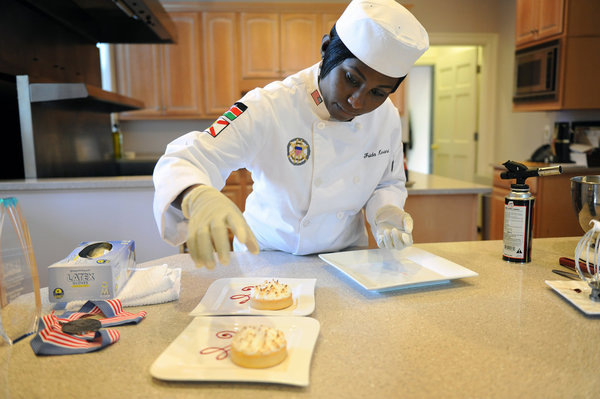
When we offer MN certified food manager training, we teach students from every sector of the industry. In one of our recent sessions, we had a student whose goal was to become a private chef and offer catering services and culinary classes to individuals and small groups in their own homes. One question that was asked was if there were any special regulations that applied to private chefs that differ from the standard rules that apply to institutions, food producers and restaurants. We thought this was an interesting discussion, so we felt it beneficial to share some information that we have learned.

MN Certified Food Manager Training and the Private Chef

Image credit: Flickr

MN Certified Food Manager Training and the Personal Chef

While conducting our research, we found that there are a few different regulations that vary by county or metro area, but there are four licenses or certifications that most jurisdictions will require:

  • Minnesota Food Manager Certification
  • A License to Run a Food Establishment
  • A Catering License
  • A Federal Tax ID (EIN)

If you’re considering becoming a personal chef, we suggest that you contact your local government office to find out which licenses you need in your particular jurisdiction. If you need your MN certified food manager training, we would be happy to tailor a course designed specifically for your catering venture.

There are a few other aspects of being a personal chef that differ from regular catering services. While in many cases it is acceptable to prepare food for clients at their home or other location, you should be aware that most jurisdictions will require you to have a preparation and storage facility that can be inspected by the health department. This presents a unique challenge for many personal chefs whose clientele consists of a small number of people.

We have been asked if private chefs are allowed to use their own personal home kitchens to prepare food before transporting it to a client’s location. Unfortunately, this is not an acceptable solution according the health inspector we discussed this scenario with. Many private chefs solve this problem by leasing space from other caterers with industrial kitchens or local restaurants who are willing to allow them access to their kitchen before they begin their service for the day.

Personal chefs are not the only unique part of the food industry. If you’re considering any food based business that doesn’t quite conform to industry standards, please leave your ideas in the comments section and we’ll do our best to cover it in a future article.