Extreme Weather Closure Tips for Certified Food Managers

Extreme Weather Closure Tips for Certified Food Managers

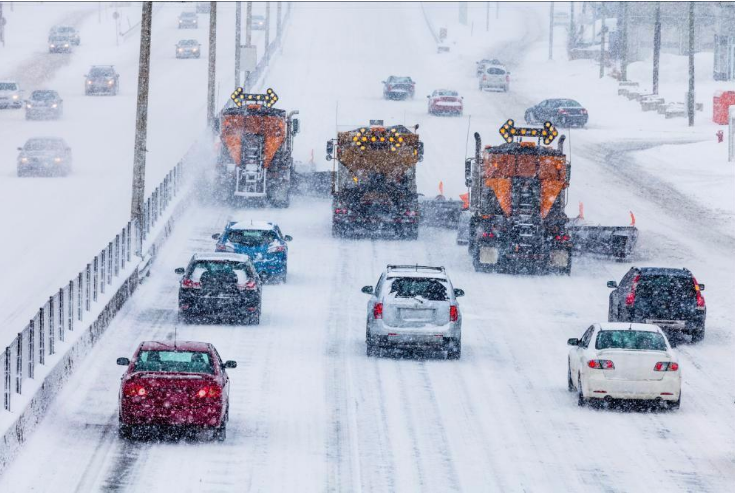
The winter months bring colder temperatures and the potential for incredible amounts of snow. Sometimes the winter conditions in our state create a scenario where roads are treacherous until they can be cleared and hazardous travel conditions dissipate. While every business strives to stay open and be available to provide services to a loyal customer base, circumstances inevitably arise where a certified food manager has to make the call to close up shop for the day.

Certified Food Managers and Snow Closures

If serious weather occurs, having a plan helps keep your staff and customers informed. If there is an active warning or alert, the certified food manager should monitor it closely. Employees on shift during a predicted storm should be notified ahead of time, and if you plan on opening but wish to adjust for lower business volume due to weather, cutting a staff member or two’s shift may help save on labor cost if guests stay home.

You need to communicate with potential guests if you plan on closing for the day or shutting down a few hours earlier than normal. In the past this used to be a major challenge, but we live in the age of the internet. Many consumers turn to social media outlets like Twitter and Facebook during winter storms to verify if a restaurant is open, so keeping your guests updated via these outlets will pass the message along to a majority of your potential customers.

Once you reopen, check to see if entryways are safe for guests to enter and leave. Clearing icy surfaces such as sidewalks and stairs can prevent slips and falls and create an inviting appeal to your restaurant. Oftentimes employee entrances can be overlooked in bad weather scenarios, so make sure that your staff has a clear and safe way to access your facility.

Finally, enjoy the weather. Food management is a stressful and time-consuming profession. Build a snowman or drink your favorite warm beverage and relax in front of the fire.

We want to know your extreme weather strategies. Do you feel obliged to open your doors no matter what conditions may be, do you play it safe or is your winter weather plan somewhere in the middle? Leave your thoughts for us in the comment section below.

MN Certified Food Manager Training and the Private Chef

MN Certified Food Manager Training and the Private Chef

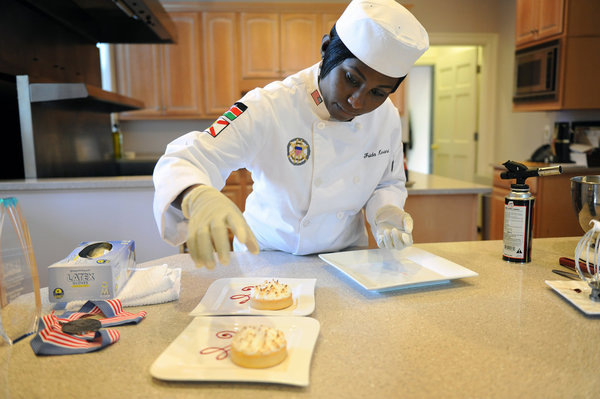
When we offer MN certified food manager training, we teach students from every sector of the industry. In one of our recent sessions, we had a student whose goal was to become a private chef and offer catering services and culinary classes to individuals and small groups in their own homes. One question that was asked was if there were any special regulations that applied to private chefs that differ from the standard rules that apply to institutions, food producers and restaurants. We thought this was an interesting discussion, so we felt it beneficial to share some information that we have learned.

MN Certified Food Manager Training and the Private Chef

Image credit: Flickr

MN Certified Food Manager Training and the Personal Chef

While conducting our research, we found that there are a few different regulations that vary by county or metro area, but there are four licenses or certifications that most jurisdictions will require:

  • Minnesota Food Manager Certification
  • A License to Run a Food Establishment
  • A Catering License
  • A Federal Tax ID (EIN)

If you’re considering becoming a personal chef, we suggest that you contact your local government office to find out which licenses you need in your particular jurisdiction. If you need your MN certified food manager training, we would be happy to tailor a course designed specifically for your catering venture.

There are a few other aspects of being a personal chef that differ from regular catering services. While in many cases it is acceptable to prepare food for clients at their home or other location, you should be aware that most jurisdictions will require you to have a preparation and storage facility that can be inspected by the health department. This presents a unique challenge for many personal chefs whose clientele consists of a small number of people.

We have been asked if private chefs are allowed to use their own personal home kitchens to prepare food before transporting it to a client’s location. Unfortunately, this is not an acceptable solution according the health inspector we discussed this scenario with. Many private chefs solve this problem by leasing space from other caterers with industrial kitchens or local restaurants who are willing to allow them access to their kitchen before they begin their service for the day.

Personal chefs are not the only unique part of the food industry. If you’re considering any food based business that doesn’t quite conform to industry standards, please leave your ideas in the comments section and we’ll do our best to cover it in a future article.

ServSafe Training Guide to Salmonella

ServSafe Training Guide to Salmonella

Last month we discussed the dangers of Listeria poisoning that has been linked to numerous recalls and food-borne illness outbreaks. This month we’d like to take a closer look into what ServSafe training says about another major contributor to product recalls and illnesses linked to contaminated food products.

ServSafe Training Guide to Salmonella

Image credit: Pixabay

ServSafe Training and Salmonella

Salmonella can be a tricky contaminant to control because there are misconceptions as to how many food products can be affected by the bacterium. We all know that serving raw chicken or eggs causes illnesses due to Salmonella, but many food service professionals do not know that Salmonella also exists in:

• Melons
• Alfalfa sprouts
• Raw nuts
• Unpasteurized cheese

The connection between Salmonella and melons exists on its exterior and not in the meat of the melon. Melons can become contaminated from the bacterium that occurs in the soil that it is grown in, and many fertilizers contain chicken manure in which trace amounts of the bacterium are found if it hasn’t been sterilized properly. Before serving melons, it is important to wash the outsides carefully before slicing. The contamination of the meat of the melon occurs when a knife comes into contact with the Salmonella on the surface and infects the melon as the knife passes through. While all melons potentially contain Salmonella, the ridged surface of the cantaloupe can cause crevices for the bacterium to hide. Alfalfa sprouts are also contaminated by the same process, so extra care should be taken to wash them thoroughly.

While many restaurants do not serve raw nuts, certain prepared product manufacturers utilize them as an ingredient in their product. If you process any type of raw nut, be very careful to sanitize any surface they come into contact with in order to prevent cross contamination with your finished product.

Last month we discussed the connection between raw dairy and Listeria. Raw dairy and unpasteurized cheeses also potentially contain Salmonella, so we advise against serving raw dairy products to your guests.

Finally, while it is unpleasant to think about, it is important to recognize the symptoms of a guest who has eaten food tainted with Salmonella. Salmonella symptoms can occur as soon as 12 hours after consuming tainted product and can take as long as 72 hours to manifest. Symptoms include:

• Abdominal cramps
• Fever
• Vomiting
• Diarrhea

We hope that our discussions concerning the common causes of food poisoning has been helpful in allowing you to keep your food as safe as possible. Next month we’ll continue our series with a discussion on STEC toxins and e-Coli.

MN Certified Food Managers and Black Friday

How MN Certified Food Managers Take Advantage of Black Friday

Black Friday arrives at the end of the month, with the shopping frenzy approaching, we decided that it would be beneficial to discuss how MN Certified Food Managers at local restaurants and food producers can take advantage of the millions of potential guests that are out and about the day after Thanksgiving.

MN Food Safety Managers and Black Friday

Image credit: Powhusku via Wikimedia Commons


MN Food Safety Managers and Black Friday

We think that this day is a prime opportunity for MN Certified Food Managers to show what they can do and build their customer base. Here are a few ideas that we think can attract customers who have finished their shopping or are looking for a quick meal on the go.

  • Run easy to serve take-out specials
  • Offer free items with any order
  • Offer promotions based on the time of day

Many of the shoppers on Black Friday will be in a hurry and won’t want to take the time to sit down to eat breakfast or lunch. If your restaurant has hot food ready to go that your guests can order and receive without a long wait, it may attract customers who are looking for grab-and-go dining options.

Everyone loves free stuff, even if they have to buy something else to get it. We suggest offering something that is easy and affordable. Many shoppers will have already been out since midnight, and something as inexpensive as a free cup of coffee or espresso with every order will look attractive to guests looking for that extra boost to finish off their search for the best deal.

Last year, we noticed that one restaurant changed their promotions every hour. We think this is a great idea to let your guests see what is coming up, and, if they don’t have time to stop right away, it may give them an incentive to return later in the day.

Finally, don’t forget to advertise your restaurant in the days leading up to Black Friday. Social media is a great way to get the word out there. With outlets like Twitter and Facebook, MN food safety managers can plug their restaurants for free with a few creative hashtags.

Over the past few years, we’ve seen different strategies when it comes to making the most out of Black Friday. What will your business be doing to attract customers?