
who should obtain food protection manager certification

Who Should Immediately Obtain A Food Protection Manager Certification?

Most establishments that process or serve food must have an in-house leader with food manager certification MN. Although regulations require this certification, they do not specify which manager in the company should obtain a food protection manager certification.

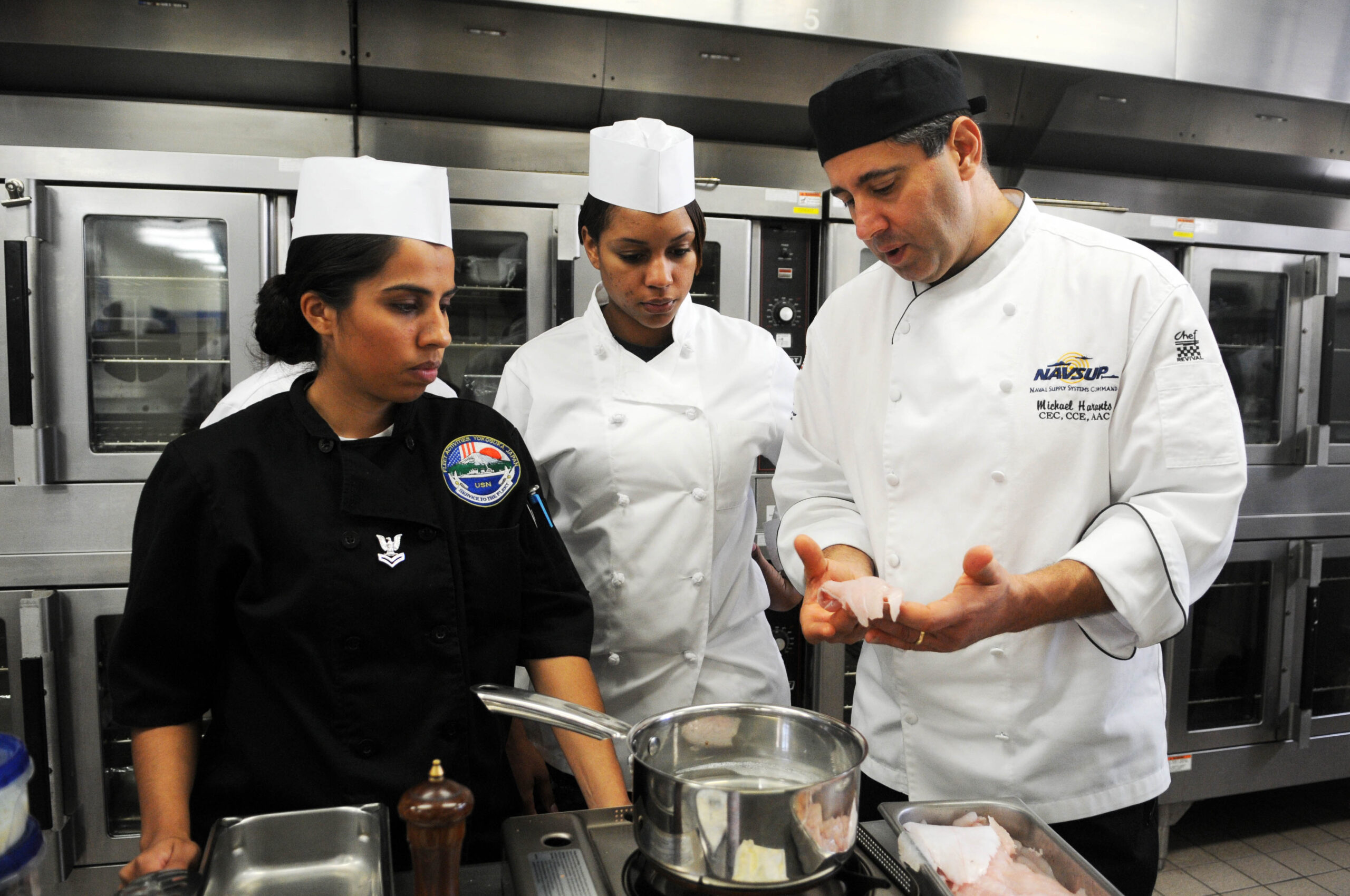
We feel that to get the most value out of food protection manager certification, it is essential to make sure that a person who directly oversees and manages food production is certified. In many smaller food service establishments, such as restaurants, it is not uncommon for the owner to be certified. This is only a good idea if the owner is under constant supervision of his kitchen. Many restaurant owners spend more time supervising the floor and taking care of guests than overseeing the day-to-day operations of the kitchen staff. If this is the case, you should consider your Chef, Sous Chef, or kitchen manager for certification.

Who should obtain food protection manager certification
Image credit: US Navy

In large-scale establishments, we suggest an overseer of production gain food protection manager certification. They will have a much easier time dealing with food safety issues than a manager who spends little time supervising production. If you are coordinating multiple locations, keep in mind that there must be one certified manager at each location.

There are some jurisdictions in the state that require that there is a certified person present whenever the business is operating. For those businesses, it is important to have several key people certified so that there is always coverage.

Role of the Certified Food Protection Manager

When selecting a candidate to be a CFPM, it is important to take into consideration the duties expected of them and their role in your establishment. Keep the following duties in mind when you determine who you will have certified.

Your certified manager should be in a position to:

  • Identify potential food safety hazards in the workplace
  • Develop procedures to reduce the potential for foodborne illness
  • Coordinate food safety training for employees
  • Ensure there is a Person in Charge (PIC)
  • Correct procedures and habits as necessary to protect consumers
  • Inspecting daily operations periodically ensures proper following of food handling policies.

When selecting a leader to obtain a food protection manager certification, it is essential to ensure that their position will allow them the opportunity and ability to fulfill all of these duties. For more information on these regulations, the official fact sheet can be obtained from the Minnesota Department of Health.

Safe Food Training has scheduled classes at convenient locations around the Twin Cities and central MN. It’s quick and easy to register an individual or several employees to take the training and exam. Register early, to assure the availability of the date and location you want.


ServSafe MN Tips for A Bacteria Free Steamer

ServSafe MN Tips for A Bacteria Free Steamer

The industrial steamer has become a vital tool in many kitchens. It streamlines production and takes the place of makeshift steamer pans on your range or flat-top grill. There are risks, however, in taking this key piece of equipment for granted. Food-borne illness can arise as a result of lack of maintenance. We will introduce some ServSafe MN tips to keep your steamer safe from harmful bacteria.

ServSafe MN Tips for A Bacteria Free Steamer

Image credit: Photo credit: www.foodservicewarehouse.com

ServSafe MN Guide to a Safe Steamer

Cleanliness plays a crucial role in maintaining the safety of the food that is prepared and reheated in your steamer. Since the steamer uses moisture and heat to cook food without drying it out, it can create a breeding ground for bacteria. Bacteria thrive and multiply in a moist and warm environment. The temperatures inside the steamer stay in the danger zone when it’s not in use.

We want to ensure that you don’t have to constantly worry about the possibility of contamination in your steamed food. To prevent harmful bacteria from contaminating your food, we have some simple tips to share with you.

  • Wipe up spills immediately
  • Clean door seals daily
  • Change the water frequently if you have a connectionless or countertop steamer model

Cleanliness maintains the safety of the food prepared and reheated in your steamer. Since the steamer uses moisture and heat to cook food without drying it out, it can create a breeding ground for bacteria. Bacteria thrive and multiply in a moist and warm environment. The temperatures inside the steamer stay in the danger zone when it’s not in use.

We want to ensure that you don’t have to constantly worry about the possibility of contamination in your steamed food. To prevent harmful bacteria from contaminating your food, we have some simple tips to share with you.

You may be cooking the same thing time and time again, but those spills can find their way into the drainage and steam circulation systems. It’s much easier to clean that up before food remnants find places to hide and begin cultivating potential contaminates.

Another frequent hiding place for bacteria lies in the seals of the steamer door. To prevent contaminating particles from festering, it’s important to wipe down and sanitize these on a daily basis.

Steamers Not Connected to Your Water System

Our third item applies to steamers that are not connected to your facility’s water system. Table top models with water drawers take a little more care when it comes to daily maintenance. Your staff must frequently check the water levels and change the water supply regularly to prevent the formation of bacteria in the reserve tank.

There are also a few ServSafe MN concerns that you should be aware of when using an industrial steamer. We will fully cover that issue in few weeks, when our blog will be discussing burn and scald prevention, as well as how to respond to burn accidents when they occur.

Every MN food manager’s approach to their equipment is different. At Safe Food Training, we’d like to know how you use the steamer in your facility. Is it an essential part of your operation, or is it something that is rarely used?

Listeriosis prevention needs your attention.

IT’S DEADLY! LISTERIOSIS PREVENTION NEEDS YOUR SPECIAL ATTENTION

Listeriosis, a disease caused by the bacteria Listeria monocytogenes, is the third leading cause of death by food poisoning in the U.S. On average, there are 1,600 cases of listeriosis nationally each year, 260 of them deadly. The main groups affected are pregnant women, older adults, newborns and adults with weakened immune systems. Even though Listeriosis is not as common as other food-bourn disease, it is deadly and certified food protection managers need to keep staff vigilant.

The largest outbreak of listeriosis to-date occurred in 2011 and was traced to contaminated cantaloupes. In total, 147 people became ill and 33 died. Additionally, one of the five Listeria outbreaks identified in 2022 by the CDC effected Minnesota.

LISTERIOSIS PREVENTION NEEDS YOUR SPECIAL ATTENTION
Image credit: lanych via 123rf

Identifying Listeriosis Symptoms and Sources

People acquire the illness by consuming food contaminated with the bacteria. Symptoms include diarrhea, fever, body and muscle aches, and loss of balance. In the most severe cases, listeriosis can cause blood poisoning (septicemia) and meningitis. For pregnant women, listeriosis can result in miscarriage or premature birth. Doctors diagnose listeriosis by conducting blood or spinal fluid tests and usually treat it with antibiotics.

Listeria bacteria live in soil and water and can contaminate fresh produce, uncooked meat and dairy products. The bacteria can also live in food processing and packaging machinery and can contaminate food during processing, including luncheon meats and hot dogs, smoked seafood, and cheese. NRFSP/ServSafe classes in MN include instruction on the origins of Listeria contamination and how to reduce risk.

How CFPMs Can Lower the Risk of a Listeriosis Outbreak in Your Facility

Pasteurization and cooking kill the bacteria. However, for fresh produce and food that might become contaminated after cooking or pasteurization, food service professionals can take crucial steps to prevent infection:

  • Follow FDA guidelines by thoroughly washing and drying fresh fruits and vegetables, even when you plan to peel them before consuming. Always store raw meat separately from other foods.
  • Maintain hygiene in food preparation areas. Clean all cutting boards, kitchen surfaces, and knives immediately after and in-between use. Likewise, regularly clean floors and refrigerators. After handling uncooked foods, food preparers must wash their hands.
  • Safely store foods by setting refrigerators to 40°F or below and freezers to 0°F or lower. Above all, consume foods as soon as possible after purchasing them.

All certified food protection managers should train your staff about this potentially deadly type of food poisoning and detailed prevention guidelines. When was the last time you did a staff training on Listeria?

MN Food Safety Certification Guidelines On Avian Influenza

New MN Food Safety Certification Guidelines On Avian Influenza

Just as it appeared to fade into oblivion, we get another reminder that Avian Influenza is still a health concern in the world and also in Minnesota. A recent article goes into detail on why we should still keep up our guard and a USDA study released  March of 2023 indicates Minnesota is the hot spot of the country for Avion flu. CFPM classes don’t always cover Avion flu, so providing food safety guidelines for it is crucial.

MN Food Safety Certification Guidelines On Avian Influenza
Image credit : USDA

MN Food Safety Certification Guidelines On Avian Influenza That Will Protect Your Customers

One of the best places to start to answer the question as to whether the “bird flu” can affect guests who have consumed tainted poultry is to look at the FDA’s take on the subject.

To give you a quick summary, Avian Influenza cannot be spread by consuming properly cooked turkey, chicken, duck or eggs. The most common transfer of bird flu is strictly from bird to bird contact in close quarters. It is possible for the disease to transfer to humans, but only in rare cases where the infected person has come into direct and constant contact with infected birds or their feces.

Even though there is very little chance of passing Avian Influenza on to your customers via prepared food, they will inevitably have their concerns. Here are a few tips on dealing with poultry and alleviating your guests’ qualms concerning the bird flu.

MN Food Safety Certification Guidelines On Bird flu
  • Always cook poultry to an internal temperature of 165 degrees
  • Wash all surfaces that have come into contact with raw and cooked meat products after use
  • Always cook eggs until whites and yolks are firm
  • If a recipe calls for undercooked eggs or more than three whole eggs substitute pasteurized eggs for raw shell eggs

These four MN food safety certification guidelines should always be taken under every circumstance. Even without the threat of Avian Influenza, but under the circumstances, reminding your staff about proper poultry handling can help alleviate contamination concerns.

The frequency of scares involving our food sources has risen over the past decade. We’d like to know how you educate your staff and customers on MN food safety guidelines to keep food safe when a new scare arises?