Food Safety in Minnesota for Your Food Truck
Passing your health inspection during the busy summer fair season comes down to mastering temperature controls and preventing cross-contamination in extreme heat. You must strictly follow temporary food safety standards to keep your cold food below 41°F and your hot food safely above 135°F. Mastering food truck food safety MN rules is the absolute best way to survive the rush and protect your customers. Safe Food Training can help food truck crews prepare for the unique challenges of summer fairs and ensure a successful season.
The Unique Hazards of Mobile Kitchens
When it hits 95 degrees outside, the temperature inside your food truck can easily skyrocket past 110 degrees. That extreme heat makes it incredibly difficult to keep your commercial coolers functioning properly. Equipment fails when it gets stressed, and you can’t just cross your fingers and hope your fridge survives the August heat.
Here are the primary areas health inspectors scrutinize during fair season:
- Backup Cooling Plans: If your main cooler goes down during a rush, you need extra ice and insulated coolers ready to go immediately. Never assume your equipment will run perfectly when the asphalt hits 100 degrees. A failed fridge can easily cost you thousands in wasted product.
- Handwashing Stations: A simple bucket of water doesn’t cut it. You need a dedicated, gravity-fed handwashing station with warm water, soap, and single-use paper towels clearly accessible to your staff. Inspectors will look for this station before they even check your food.
- Utensil Swapping: Since you likely lack a three-compartment sink on a trailer, you must bring enough clean utensils to swap them out every four hours. If a pair of tongs touches raw meat, you can’t just wipe it off and use it for cooked food.
Managing Tight Quarters and Sanitizer Stations
You don’t have the luxury of a massive prep kitchen when you’re working out of a temporary tent. You might only have a two-foot cutting board to handle everything from raw burgers to fresh tomato slices. That lack of space makes cross-contamination a serious threat during a heavy festival rush. You need to establish strict physical zones to keep your raw proteins entirely separated from your ready-to-eat foods.
You also have to manage your sanitizer buckets aggressively. Many temporary stand workers make the mistake of using the same dirty rag all day long. You must test your sanitizer concentration regularly using proper chemical test strips. If the water gets cloudy or drops below the required chemical level, dump it and mix a fresh batch immediately. It’s a tiny detail that keeps your customers out of the hospital and keeps the health department happy.
Common Questions About Mobile Vendor Health Codes
Mobile setups face entirely different scrutiny than brick-and-mortar restaurants. Let’s clear up a few specific scenarios you might encounter on the festival grounds.
How often do I need to check holding temperatures?
You should check your hot and cold holding units regularly using a calibrated food thermometer.
- Step 1: Check at two hours. This gives you a critical window to take corrective action if a cooler starts struggling against the summer heat.
- Step 2: Discard at four hours. If you wait four hours and the food is too warm, you lose your chance to save it and must throw it all away.
What are the rules for transporting food to the festival?
All food must stay tightly covered and temperature-controlled during the entire drive. You can’t just throw raw chicken in the back of a hot van and hope for the best. Use commercial-grade insulated transport boxes to move your product safely from your prep kitchen to the event site.
How do I handle wastewater and greywater disposal?
You can never dump your dirty water on the ground or down a storm drain. Minnesota health codes require you to collect all greywater in a dedicated retention tank that is at least 15% larger than your freshwater supply. You must dispose of this wastewater exclusively at an approved sanitary sewer facility.
Can I prep food at home before the event?
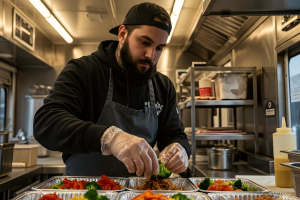
Learn food safety standards for the fair season in Minnesota.
No, you absolutely cannot prep food in a standard home kitchen. All preparation must occur in a Minnesota Department of Health-approved commercial kitchen or directly on-site in your inspected mobile unit.
Get Your Mobile Team Ready for Summer
As a ServSafe Instructor, I can help your food truck crew master these unique summer food safety challenges before you hit the road. Call me at (952) 210-0195 or email info@safefoodtraining.com to book a private, distraction-free training session for your staff. You can also register for an upcoming 3-year renewal class at safefoodtraining.com to keep your operation compliant.

