Prepare all your staff for food safety in Minnesota!
When the Friday night rush hits your North Loop bar, you probably aren’t thinking about cross-contamination. But ice is food, and health inspectors treat your beverage station exactly like a commercial kitchen. It’s non-negotiable. Strict food safety standards for bartenders are required. I’ll show you why improper handling of ice can trigger major violations and shut down local beverage events.
The Reality of the “Ice is Food Health Code” Rule
Most front-of-house leads completely forget that ice goes directly into a customer’s body. The state classifies ice strictly as food, so it demands the exact same handling precautions as raw chicken or fresh vegetables. Cross-contamination occurs when dangerous bacteria transfer directly from one surface to another. Using a glass to scoop ice instead of a dedicated plastic or metal scoop is a guaranteed way to contaminate your ice bin with shattered glass or germs from your hands.
The Dirty Ice Scoop Problem
Leaving the scoop buried inside the ice bin is a classic rookie mistake. The handle carries bacteria from your bartender’s hands straight into the clean ice supply. You must store scoops outside the bin in a clean, sanitized holder or rest them on a dedicated, sterilized tray. If a Hennepin County inspector catches a buried scoop, they will write you up on the spot for improper food storage.
Fresh Garnishes Need Kitchen-Level Care
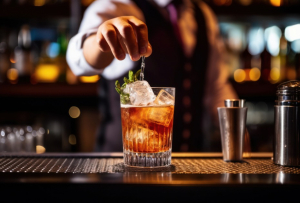
Those beautiful lemon wheels and fresh mint leaves sitting on your bar top are raw produce. Unwashed fruit skins carry agricultural bacteria and dirt straight into a customer’s cocktail. Your bar staff must wash all produce under running water before slicing it. They also need clean cutting boards and sanitized knives to prep garnishes safely before service begins.
Why Front-of-House Needs Expert Training
As a NEHA Registered Trainer based right here in Maple Grove, I see too many local restaurants train their kitchen staff while ignoring their bar staff. Bar managers and lead bartenders handle high-risk items all night long in a fast-paced environment. They need to understand exactly how foodborne illnesses spread through a beverage program.
Keep Your State Certification Active
A suspended liquor license because of a health code violation is a nightmare. Keeping your credentials active is the easiest way to protect your business. When your front-of-house leads complete our 4-hour recertification refresher before their current 3-year license expires, they can bypass the exam entirely. If they let it lapse, they’ll have to sit through the full eight-hour course and take the test all over again. As a ServSafe Instructor and an Always Food Safe Instructor & Proctor, I make sure our fully Minnesota Department of Health-approved courses give your bartenders practical tools they can actually use during a busy shift.
Frequently Asked Questions About Bar Sanitation

Is your bar staff trained for food safety?
I’ve audited hundreds of local beverage stations across the metro. Here are the top questions bar leads ask me about front-of-house sanitation.
Do I need to clean the ice machine, or just the bin?
Yes, because ice is food, you must regularly clean and sanitize the entire ice machine, including the drop zones and interior mechanics. Mold builds up quickly in the dark, damp corners of the machine if you don’t stick to a strict cleaning schedule.
Can my bartenders use bare hands to place garnishes?
No, your staff shouldn’t ever touch ready-to-eat garnishes with their bare hands. They must use clean cocktail tongs or wear disposable gloves when dropping fruit or herbs into a drink.
How often do we need to swap out bar rags?
You need to store wet wiping cloths in a bucket of active sanitizer solution between uses. If you leave a wet rag sitting on the bar top, it quickly becomes a massive breeding ground for bacteria.
Train Your Bartenders Today
Let’s get your entire front-of-house team properly certified to protect your customers and your business. Call me directly at (952) 210-0195 or email info@safefoodtraining.com to set up a private training session for your bar staff. Head over to safefoodtraining.com right now to book your next class!

