
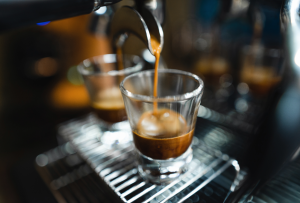
Is your coffee shop prepared for Safe Food training in Minnesota?
Navigating the morning rush at a local espresso bar is a world away from managing a standard restaurant kitchen. We know Minnesota is home to 2,334 coffee shops, with 722 independent gems and 1,612 brand-name locations. From the vibrant streets of Minneapolis and Saint Paul to the busy hubs of Rochester, these shops have an average lifespan of nearly nine years.
Despite this maturity, state health inspectors will judge your cafe using the same uncompromising rules applied to the largest steakhouses. Ensuring coffee shop food safety requires vigilant temperature monitoring and non-stop sanitation to safeguard every guest. Let’s dive into how you can master these specific hurdles and pass your next state audit with total confidence.
Managing Milk Temperatures During a Rush
A line out the door is a great problem to have at your Minneapolis coffee shop. But when your baristas are moving at top speed, critical temperature controls often slip. It’s incredibly tempting to leave a pitcher of whole milk sitting on the counter next to the espresso machine. But leaving dairy out at room temperature is a massive health code violation. Bacteria multiply rapidly in warm milk, turning a simple latte into a serious health hazard for your guests.
The Danger of the Danger Zone
In the food service industry, the Temperature Danger Zone falls strictly between 41°F and 135°F. Your baristas must pull milk from the refrigerator, steam it, and immediately return the container to the cold holding unit. You cannot let dairy sit in that danger zone while they take the next four orders.
The Secret to Sanitizing Steam Wands
A dirty steam wand ruins the taste of your expensive espresso and breeds dangerous bacteria. Milk residue bakes onto the hot metal instantly. Your staff must wipe the wand with a damp cloth and purge a blast of steam through it after every single drink. At the end of the shift, they need to completely break down the wand to clean out the hidden milk proteins trapped in the threading.
Why Dedicated Bar Rags Matter
You can’t use the same rag to wipe down the espresso machine and clean the customer tables. Cross-contamination happens fast when baristas share towels. Store wet wiping cloths completely submerged in a bucket of active sanitizer solution between uses. If a Hennepin County inspector sees a wet rag sitting loosely on your counter, they will write you up on the spot.
Keeping Your Baristas Certified in Minnesota
A health department shutdown over sour milk or dirty wands ruins your local reputation instantly. Keeping your lead baristas fully certified prevents these disasters. When your cafe managers take our 4-hour recertification refresher before their current 3-year license expires, they get to skip the state exam completely.
Learn the rules for coffee shops in Minnesota today!
Nobody wants to pull their best barista off the floor for a full 8-hour exam just because they missed their renewal window. As a NEHA Registered Trainer, ServSafe Instructor, and Always Food Safe Instructor & Proctor, I tailor our Minnesota Department of Health-approved courses to fit the realities of your busy coffee shop.
Frequently Asked Questions About Cafe Sanitation
I spend a lot of time working with independent coffee roasters across the Twin Cities. Here are the top questions owners ask me about passing their state audits.
How long can I leave a pitcher of milk on the counter?
You have absolutely zero time. You must return the milk to the commercial refrigerator immediately after pouring the drink to keep it out of the temperature danger zone.
Do we need a three-compartment sink if we only serve coffee?
Yes, you still need a proper three-compartment sink. You must wash, rinse, and chemically sanitize all your reusable coffee mugs, frothing pitchers, and utensils in accordance with state health codes.
How often should we clean the commercial ice machine?
You should clean the ice machine at least once a month. Mold thrives in the damp, dark corners of the machine, which contaminates the ice used for your cold brew and iced lattes.
Protect Your Local Cafe Today
Let’s get your entire team trained to handle the morning rush safely. Call me directly at (952) 210-0195 or email info@safefoodtraining.com to book a private session for your baristas. Visit safefoodtraining.com right now to register for an upcoming class!

