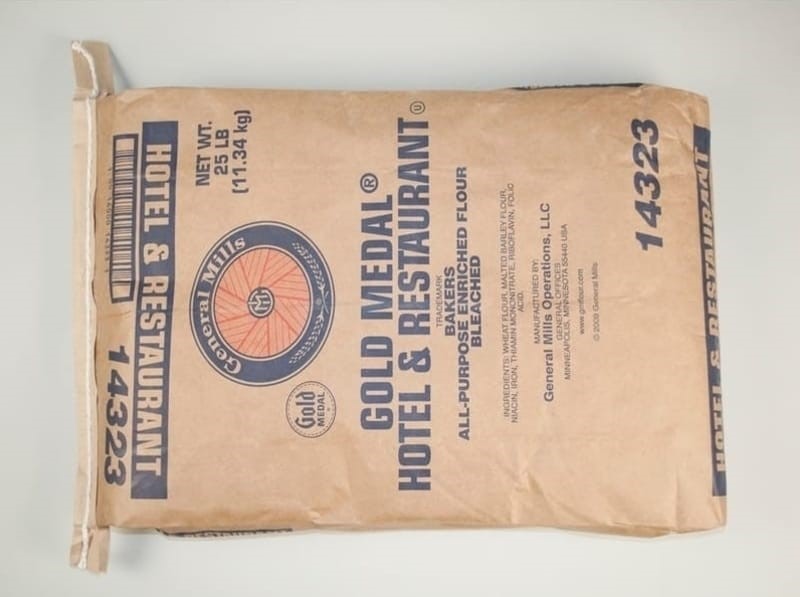
How can Food Safety Managers Identify Approved Food Product Sources?

Food Safety Managers Identify Approved Food Product Sources

Finding suppliers with high-quality ingredients is the first step in keeping your guests safe from foodborne illnesses. In fact, it’s such an important stage in the foodborne illness prevention process, that the Minnesota food code has outlined rules defining exactly what approved food sources look like. The code outlines a few different rules based on the type of ingredient you’re bringing in to your establishment, so let’s take a closer look at how food safety managers can identify approved food sources in the state of Minnesota.

Food Safety Managers Identify Approved Food Product Sources
Image credit: Nick Saltmarsh via flickr

A Breakdown of Approved Product Sources for Food Safety Managers

Food safety managers should source their inventory from approved commercial sources under the jurisdiction of some sort of regulatory control. These sources generally fall into three categories:

  • Local, regional or international growers
  • Food manufacturing plants
  • Food distributors

Most restaurants and other eating establishments use nationally or regionally recognized distributors. As a food safety manager, you can be fairly confident that these distribution services are relying on regulated suppliers to fill their warehouses. However, some confusion can come into play when purchasing ingredients from smaller providers. If you’re dealing with suppliers directly rather than using a major distributor, how can you tell if it’s an approved source?

The Minnesota food code outlines a few special requirements for specific scenarios to be used by food safety managers.

  • Milk products must meet Grade A pasteurized standards.
  • Meat, poultry and game animals must pass USDA or Minnesota Department of Agriculture inspection.
  • Shell eggs must be clean, intact and meet grade B or better standards.
  • Liquid, frozen, dry or other egg products must be pasteurized.
  • Canned or bag sealed product must come from a licensed vendor
  • Molluscan shellfish must originate from a source on the Interstate Certified Shellfish List.
  • Wild mushrooms can only be sourced from a forager who has completed an approved mushroom identification course.

This may seem like a lot of different rules to follow, but with some common sense food safety managers should be able to source any ingredient from an appropriate source. If you’re buying wild game out of the back of a pickup truck, purchasing fish from hobbyist fishermen or sourcing wild mushrooms out of the trunk of a car in a back alley, you may not be getting your ingredients from an approved source.

Don’t be afraid to ask for proof of regulatory standards when purchasing products from smaller suppliers. Many of them will gladly share the appropriate certifications and in many cases make you aware of them on their order sheets or product guides.

Do you source all of your ingredients from approved sources?
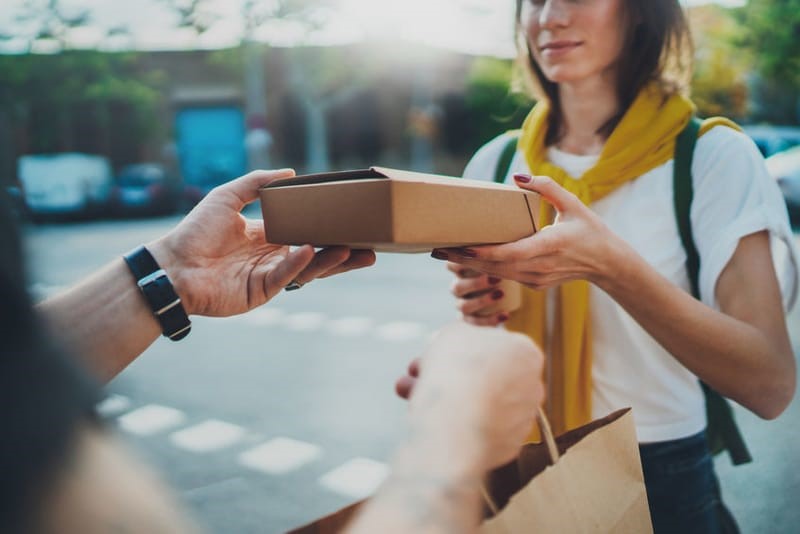
Suggestions Food Safety Managers Can Use To Make Takeouts Greener

Suggestions food safety managers can use to make takeouts Greener

Takeout and delivery services have become very popular over the course of the past year, and with this increased demand, comes an increase in the amount of takeout-related materials on hand in every restaurant. With so many elements involved in takeout orders, food safety managers should take a few steps to reduce the amount of waste involved when packing takeouts and delivery orders.

Suggestions Food Safety Managers Can Use To Make Takeouts Greener
Image credit: kantver via 123rf

Waste Reduction Hints for Food Safety ManagersTo Improve Takeouts and Delivery

When you consider all the elements that go into to-go orders, there is a great potential for waste. Clamshell containers, individually packaged utensils, sauce packets and lids all have the potential to be wasted. Many customers prefer to use their own silverware at home, may have no need for the tiny packet of ketchup or simply toss excess containers in the trash. Sending these items with every takeout order eats into your food safety manager’s bottom line, creates waste and may have a negative impact on the environment.

In order to reduce waste, you may wish to ask customers who place a takeout order if they require silverware, sauces or other optional items. You may find that more of your customers are concerned about waste than you think.

Takeout and delivery don’t just create more waste, many to-go containers, utensils and sauce packets are cmposed of plastics that are harmful to the environment. Here are a few things food safety managers should consider when planning takeout service:

  • Stock biodegradable containers
  • Use small recyclable containers rather than prepackaged sauces
  • Consider compostable straws and utensils over plastic
  • Utilize reusable bags

Current innovations in recyclable and biodegradable restaurant supplies have made it possible to reduce your environmental impact without sacrificing the quality of your service. While paper-based takeout containers may not last forever, they’ll retain their integrity long enough for guests to enjoy their meals. The same goes for paper straws and biodegradable utensils. By making a few small changes food safety managers can go a long way in reducing waste and being environmentally focused with your delivery and takeout supplies.

Have you looked into how you can be more environmentally conscious with the way you provide delivery services?

Should ServSafe Food Managers Worry About COVID-19 On Supply Packaging?

Should ServSafe Food Managers Worry About COVID-19 On Supply Packaging?

Even though we’ve been dealing with the coronavirus for over a year, we still hear questions and concerns over how the virus is spread and extra steps that can be taken to control it. In a recent discussion, we were asked if ServSafe food managers should be concerned about COVID-19 entering their business on the surface of supplies, food packaging or other materials that they use in their business. The StaySafe MN guidance for restaurants and bars has no specific information on this topic, so we decided to research the matter further.

Should ServSafe Food Managers Worry About COVID-19 On Supply Packaging?
Image credit: Food Service Direct

ServSafe Food Managers Ask, “Can Supply Packaging Spread Coronavirus?”

In the past, we’ve covered the near impossibility of coronavirus infection from food consumption. But, do ServSafe food managers need to be concerned with supply packaging? Does ingredient packaging, shrink-wrapped supplies and other containers that arrive on delivery trucks pose an infection risk to your staff?

While Minnesota COVID guidelines make no mention of this scenario, the CDC briefly addresses this on the consumer level.

According to CDC consumer guidelines, little evidence exists that coronavirus infections spread on food packaging from grocery stores or other outlets. If this evidence holds up for highly populated facilities, this statement would suggest that the same holds true for packaged goods delivered to foodservice businesses.

While COVID transmission risk on packaging may be low, cautious ServSafe food managers should be aware that sanitizing packaging that contains food products poses the risk of sickening customers through the ingestion of sanitizing chemicals. We’ve been asked if quickly sanitizing shipments or inventory would add an extra layer of protection, but we’d advise against it. The best defense would be to thoroughly wash your hands after receiving and storing deliveries. Consistent handwashing protects your guests from many different types of illness, both foodborne and otherwise.

Are you concerned that COVID-19 could enter your business on your supply shipments?

Food Safety Manager Secrets Using Task Scheduling When Understaffed

Food safety manager using task scheduling to maintain food safety

Due to lower seating capacity, reduced business other COVID-19 restaurant restrictions in Minnesota, food safety managers have at times been forced to run their businesses with fewer staff members than usual. While keeping an eye on labor costs will help keep Minnesota restaurants in business during trying times, we shouldn’t sacrifice routine food safety tasks in the process. By incorporating task scheduling into administrative duties, the food safety manager can provide an efficient means of keeping up with food safety concerns while protecting the business’s labor bottom line.

Food safety manager using task scheduling to maintain food safety
Image credit: Wavebreak Media Ltd via 123rf

Task Scheduling Tips for Short Staffed Food Safety Managers

In our interactions with food safety managers, we’ve heard a few common themes as to struggles finding time for some major aspects of their food safety duties. Some of the most common concerns deal with:

  • Inventory Control
  • Receiving and Evaluating Incoming Shipments
  • Employee Training

Food managers are taking more time on the line or in the dining room to compensate for a reduced payroll, and this might cut into the amount of time they have for inventory control and receiving shipments. Creating a detailed schedule involving tasks rather than simply shifts could help alleviate the pressure on food safety managers to complete certain tasks. A clearly defined task schedule will allow you to gain a full view of what needs to be done and give you the opportunity to adjust your schedules accordingly.

A defined task schedule can be as easy as scheduling a staff member 15 to 20 minutes a day to complete food safety maintenance tasks. For example, scheduling a food safety manager to inspect date markings on prepared product to ensure they are still safe to serve will ensure the task is accomplished much easier than if you simply leave it up to chance or hope for a slow moment in service. The same goes for receiving shipments and evaluating inventory. You almost always know what days your food suppliers drop off a delivery to your establishment. Keeping that in mind, make sure that your task schedule includes an extra employee on shipment days to ensure the order can be inspected and properly stored in a timely manner.

Employee training has also become an issue with limited time and sometimes limited restaurant capacity for staff. Training tasks can be scheduled outside of normal business hours in order to be in compliance with COVID-19 occupancy and social distancing rules. A better solution would be to use online tools and apps to handle training remotely when possible.

Do you use task scheduling to improve efficiency when understaffed?