Important Food Safety Training And Managing Expiration Dates During COVID-19

Food safety Training and Managing Expiration dates

With current regulations regarding COVID-19 and many people choosing to eat at home rather than frequent potentially crowded areas, restaurants have seen a steep decline in the volume of guests they serve. With this decreased volume comes the risk of product, raw and prepared, sitting in a refrigerator too long. This may cause the potential for spoilage and the spread of foodborne illness via bacteria growing in outdated foods. It’s especially important to provide your staff with appropriate food safety training regarding managing expiration dates and proper labeling of prepared product.
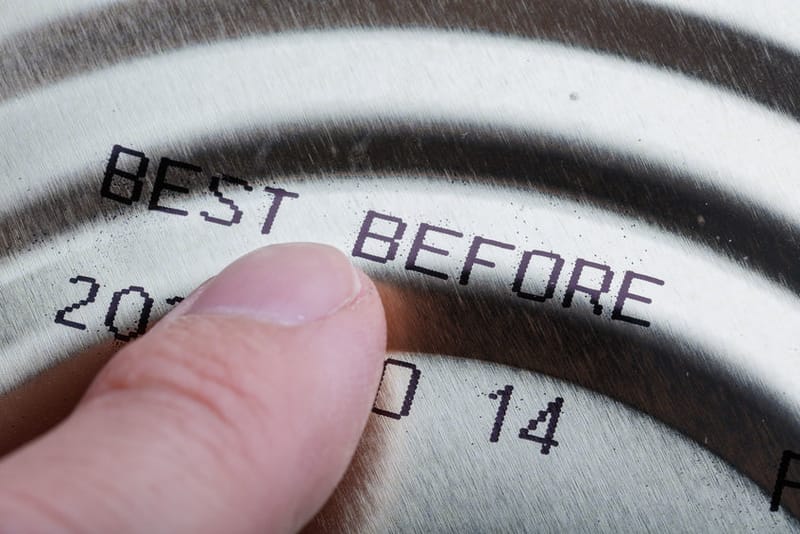
Food Safety Training and Managing Expiration Dates
Image credit: Feng Yu  via

Managing Expiration Dates, Labeling and Proper Food Safety Training

Fresh product doesn’t last forever, so it’s important to note expiration dates on raw ingredients. Some ingredients to pay extra close attention to include:

  • Produce
  • Dairy
  • Proteins
  • Seafood
  • Ready-to-eat Foods

Produce is one of the most susceptible products to mold, mildew and risk or bacteria from rotting. Keep a close eye on produce even if it hasn’t reached its expiration date. Any fruits or vegetables that show signs that they may be questionable should be disposed of.

Dairy is another product which causes a foodborne illness risk when expired. Just like produce, make sure you adhere to the expiration dates and dispose of dairy products of questionable quality.

Meats and seafood pose a substantial food safety risk when expired. During low volume, we’d recommend bringing in frozen proteins, especially fish and poultry, in order to more closely control the amount of product in your walk-in refrigerators. Pulling and thawing just enough product for a couple of days at a time will lower risk of spoilage, reduce waste and keep your inventory under control. Just remember your food safety training and thaw product according to Minnesota health regulations.

Finally, label and date all ready-to-eat foods. If you’ve brought in ready-to-eat foods from an outside source, take note of the expiration date on the package and do not use once expired. With ready-to-eat foods made in house, the food code allows for proper storage for up to seven days. This is why a well-planned date marking system should be utilized in your establishment. Just remember, some sensitive foods may not have a seven-day shelf life, so plan accordingly. During times of low volume, it may be prudent to reduce pars on ready-to-eat foods to reduce the risk of spreading illness.

Are you doing regular food safety training to remind your food prep staff to manage expiration dates and date markers?
Creating An Easy “Stay Safe MN” Preparedness Plan For Food Managers

food managers creating stay safe mn preparedness plan

Towards the end of July, Governor Walz updated and released a new COVID-19 preparedness template that business owners are required to complete according to current reopening regulations. We know every business varies, so we’d like to take a closer look at what this Stay Safe MN preparedness plan means for food managers who run restaurants and other food-related businesses.

Stay Safe MN Preparedness Plan For Food Managers
Image credit: Wavebreak Media Ltd via 123rf

How Minnesota Food Managers Should Build their COVID-19 “Stay Safe MN” Preparedness Plan

While we’ve already covered quite a number of the procedures required in the Stay Safe MN plan, it’s important to have your entire plan outlined in one single document for a couple of reasons. First, it’s required as part of Governor Walz’s guidance for reopening, but beyond that, safe reopening plans can tend to be convoluted, so it’s vital to have all of your facilities procedures in one easily accessible document. This will aid in training, enforcement and providing up-to-date information to guests and employees alike.

The benefit of having an official template is that you don’t have to take the time to create one yourself, and you don’t have to worry about overlooking certain protocols. Let’s take a quick look at some of the protocols Minnesota food managers are required to have outlined to stay compliant with Stay Safe MN:

It may seem like a mighty list and a daunting task, but filling out this template is a must for every business. The good news is that the template is fairly easy to follow, and it goes a long way towards tracking your adherence to current reopening procedures.

Have you filled out your COVID-19 reopening plan yet?

How Certified Food Managers Can Help Their Restaurant Increase Web Presence

How Certified Food Managers can Help Their Restaurant Increase Web Presence

Due to the COVID-19 outbreak and rules surrounding the reopening of dining facilities, restaurants in Minnesota and around the nation are struggling to get noticed. Minnesota has some very specific regulations requiring how eateries can reopen, and this has certified food managers scratching their heads figuring out how to alert their guests that they are open and may require reservations for sit-down service. Given current circumstances, increasing your web presence is very important for certified food managers to let patrons know how to contact your restaurant.

How Certified Food Managers Can Help Their Restaurant Increase Web Presence

Online Resources Available to Certified Food Managers to Reach Restaurant Diners

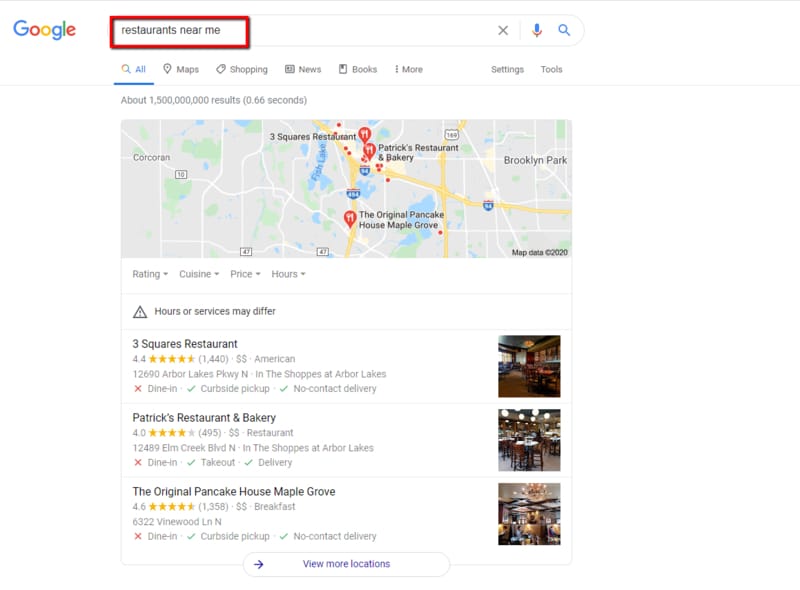
Under current rules walk-in service is not allowed, so customers must contact restaurants to make reservations to dine-in or request pickup, and most potential guests will find their restaurant of choice’s contact details via the internet. The most common ways diners find contact info include:

  • Google search
  • Map search for “restaurants near me”
  • Reservation or delivery apps

When people want to find something on the internet, most computer and smart phone users turn to Google. Did you ever wonder why some local businesses rank higher in the search results than others? The reason is that those businesses have an active and updated Google My Business listing. Signing up for a Google My Business listing not only gives your restaurant a chance to be seen when local customers search for dining in their area, it also quickly supplies all the necessary contact information in one place. Google My Business also comes with the added bonus of placing a marker for your location on Google Maps. This makes your restaurant visible when potential guests virtually browse the area virtually.

It may be wise for certified food managers to consider an Apple Maps Connect listing for your establishment to increase your restaurant’s on-line presence as well. It’s very similar to a Google My Business listing in the respect that iPhone users can access your information via the Apple Maps app.

Delivery and pickup has become the most common way customers order from restaurants. Associating your establishment with a delivery app is a must during these times. Some commonly used delivery and ordering apps include:

  • Grubhub
  • Postmates
  • DoorDash
  • UberEats

All of these apps have different registration procedures and benefits, so a little research may be necessary to figure out which ones best suit your needs. Many customers are ordering takeout via an app, so it’s best not to neglect them.

How are you reaching your customers these days and what hints can you give to other certified food managers on how to increase their restaurant’s web presence?

How Food Managers Can Find Space for Outdoor Seating During COVID-19

Food Managers Space for Outdoor Seating

June 1st signified the date in which restaurants, cafes and bars could begin seating customers, but with one catch. All seating must take place outdoors, and all tables must be at least six feet apart. While some larger restaurants may already have patio seating that accommodates these rules, what can food managers do if they don’t already have a patio or designated outdoor eating space?

How Food Managers Can Find Space for Outdoor Seating During COVID-19
Image credit: Pxfuel

Outdoor Dining Seating Tips for Minnesota Food Managers

The unfortunate part of this regulation is that it puts food managers at smaller restaurants at a disadvantage, since they simply may not have the space to set up outdoor seating, but you may have a few options.

  • Utilize parking spaces
  • Request permission to use sidewalks or alley spaces

If your restaurant has a parking lot, even a small one, you may be able to convert part of it into an outdoor dining area. Since you’re currently required to limit seating to the outdoors, your parking lot won’t be used to its full capacity. Try setting up portable pavilions, roping off sections of tables or getting creative with your seating layout. Keep in mind, under current rules all tables must be at least six feet apart and no more than fifty people, staff and guests can be on the premises at one time.

What can food managers in Minnesota do if they don’t have a parking area to utilize for outdoor seating? Well, this is when it comes time to get a little creative. There are different sidewalk rules in different jurisdictions, but you may wish to consider working with the local authorities to create dining space on the sidewalk in front of your establishment. This may only be one or two tables, but it could be a start to tiding guests over until they are able to once again dine indoors.

How is your restaurant dealing with the new outdoor dining rule as we begin to reopen for business?