Minnesota Food Manager’s Guide to Labeling Retail Products

Minnesota Food Managers Guide to Labeling Retail Products

If you’re a Minnesota food manager who works at a facility that prepares ready-to-eat foods for retail sale or creates food items consumers will purchase and cook at home, you should be aware of the proper procedures for labeling your packaged products. The Minnesota food code has a few labeling requirements for prepackaged foods that must be adhered to.
Minnesota Food Managers Guide to Labeling Retail Products
Image credit: Flickr – Michael Steeber

Packaged Product Labeling for Minnesota Food Managers

Prepared foods packaged for retail sale require labels that alert purchasers of the contents inside the package. These labels are required to protect consumers and help them make nutrition judgments about the foods they consider purchasing. Some key elements you must print on your label include:

  • Identity or name of product
  • Net quantity of contents
  • Ingredient list
  • List of major food allergens
  • Name and address of producer
  • Nutritional information

All of these items must be clearly labeled. Your potential customers should understand exactly what it is they are buying, how much is included in the package and what ingredients are included in the food product. Not only are these details informative to the consumer, they’ll actually help you sell and market your product. If you can’t adequately identify the contents of your product, how’s the general public going to identify what they’re purchasing? Misleading or confusing labels may cause potential customers to choose a different product.

Beyond ingredients, you must clearly identify major allergens. This is a must. Not only must you list allergens in your product, you should do so in a clear manner where those afflicted with allergies will clearly see if there are any ingredients they cannot consume. We suggest listing allergens in your ingredient list as well as including a clearly visible second list of allergens and potential allergens your product may have come in contact with. The allergens that must be listed are:

  • Milk and dairy
  • Eggs
  • Fish
  • Shellfish
  • Tree nuts
  • Peanuts
  • Soy
  • Wheat and flour

Depending on the size of your business, you may also be required to post nutritional information on your label. Some products packaged by small businesses may be exempt. For more information on exemptions, check out the FDA guidelines for nutritional fact labeling exemptions.

Finally, food managers must include the name and address of your business on the labeling of packaged products. This not only helps customers recognize your brand name so they can purchase your product again, but it’s also required to identify the source of contamination in the event of a foodborne illness outbreak.

Are you a Minnesota food manager that specializes in retail sales? If so, what food safety topic would you like to see us pay closer attention to?

The Minnesota Food Managers and Sourcing Wild Mushrooms

Minnesota Food Managers and Sourcing Wild Mushrooms

The Minnesota Food Code is changing, and it’s not only going to affect the day-to-day duties of Minnesota food managers, but also change how they source and serve certain ingredients. One ingredient that is specifically targeted by upcoming regulation changes are wild mushrooms.

Minnesota Food Manager and Sourcing Wild Mushrooms
Image credit: maxpixel.net-CC0 Public Domain

Wild Mushrooms and Minnesota Food Managers

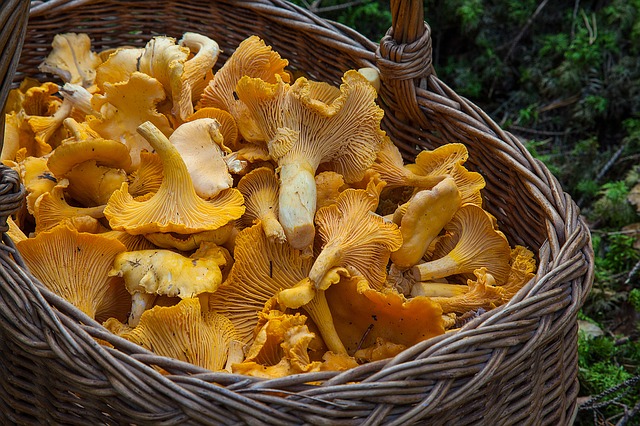
Before we begin our discussion, it’s important to understand the difference between wild mushrooms and other mushrooms. Most food managers source their mushrooms from major food service suppliers. These mushrooms are cultivated in facilities that fall under the jurisdiction of the appropriate local food regulatory agency. Some of these mushrooms can be the same species as those harvested in the wild, but are produced by food processing facilities. True wild mushrooms, however, come from the great outdoors and must be individually inspected by a verified expert in the field of mushroom identification.

Under proposed rule changes, food managers must keep a closer eye on where their mushrooms are coming from. Once these regulations go into effect, mushrooms must come from “registered harvesters or inspected food processing plants.” These new restrictions add an extra layer of food-safety by requiring licensed harvesters to take added responsibility for their product.

If your menu includes ingredients sourced from wild mushroom harvesters, make sure that your supplier is properly registered. This may help ensure that your product is safe and provide the health department more information in the event of food-borne illness as a result of tainted mushrooms.

Also included in this proposal is the requirement that facilities serving wild harvested mushrooms place a notice on their menus that mushrooms served were harvested at a site that has not been inspected. While your harvester may be fully registered, this notice is required to make consumers aware that their food has not passed the official inspections required for mushrooms produced in other facilities.

Do you serve wild mushrooms in your restaurant? If so, how do you feel about these new rule changes?

ServSafe Food Manager’s Guide to Conducting Safety Reviews

ServSafe Food Managers Guide to Conducting Safety Reviews

We spend a lot of time discussing food safety, but occasionally we like to bring up topics involving employee health and safety. A facility safety review by your ServSafe food manager can go a long way towards identifying hazards and developing a strategy to prevent employee injury.

ServSafe Food Managers Guide to Conducting Safety Reviews

We’ve identified five specific steps you should take while conducting a safety review in your restaurant or food preparation facility:

  • Formulate a plan
  • Be methodical
  • Include your staff
  • Record your findings
  • Enact change

Without a plan, potential hazards can easily be overlooked. Outline and print or write down your safety review plan. Having a physical copy of your goals allows you to reference your plan at any time.

After formulating your plan, execution is key. Don’t just wander around your facility with a checklist and a clipboard. Methodically move from one section of your kitchen to the next inspecting every element for safety hazards. Don’t forget to check all equipment for potential electrical or burn hazards and identify areas where water and grease may spill causing a risk of slips and falls.

Many a ServSafe food manager attempts to take on responsibility for their staff’s safety by themselves. Including your team at every stage of your review gives you added coverage. While you may think you know the ins and outs of your facility, those that work certain stations on a daily basis can provide insights that may not have occurred to you. Ask for input and concerns from your staff during the planning stages and inspection process.

Keep a written record of your findings. Putting potential risks on paper will help you find solutions and prevent hazards from being forgotten. A written record also helps formulate a plan to exact change. Every potential safety hazard must be addressed, and the results of your review will help you decide how to improve employee safety at your facility.

How often do you conduct safety reviews at your facility?

Food Manager Training And When To Recall Products

Food Manager Training And When To Recall Products

Nothing completes a freshly toasted bagel like cream cheese, but in the month of January, Panera Bread customers had to settle for a substitute. After a sample from a single batch of one of their flavored cream cheeses tested positive for Listeria, Panera Bread made the decision to recall all cream cheese products in their restaurants, regardless of production date. This week, we’d like to explore Panera’s recent decision from a food manager training perspective. Bearing in mind their efforts to keep customers safe, especially considering the number of high-profile food-borne illness outbreaks we’ve seen over the past few years.

Food Manager Training And When To Recall Products

Recalls and Food Manager Training

Panera’s press release is very clear that only one batch of flavored cream cheese produced on a single date contained a tainted sample and that no cases of food poisoning have been reported. So was recalling product already shipped and produced on different dates really necessary?

When studying bacteria in food manager training classes, we learn that Listeria is a potentially deadly pathogen, especially to the elderly, children and those with weakened immune systems. Extreme caution should always be taken when there is even the remote possibility of releasing food tainted with Listeria into the food supply. In this current case, we support Panera Bread’s decision to exercise an abundance of caution. Even one unnecessary death from food poisoning is too many.

While only one batch tested positive, there is always the remote possibility that tainted product may have snuck its way into the restaurant chain’s distribution system. In a past blog, we explored the potential fiscal repercussions of ignoring food safety protocols. Taking aggressive steps when it comes to preventing food-borne illness not only makes a great deal of sense from a safety standpoint, but from a financial standpoint as well. While Panera may have decided to take a short term loss by disposing of more product than just the batch that had been confirmed contaminated, they may have saved themselves a massive loss in the long run with their caution.

We applaud Panera’s procedures in this case. Considering what you have learned during online food manager training courses and instructor led ServSafe classes, do you agree?