Uncharted Flu Season Warning For MN Food Safety Managers

Uncharted Flue Season for MN food safety managers

Food safety managers in Minnesota and the rest of the world have had to take unprecedented precautions due to the COVID-19 pandemic and now are faced with balancing those precautions as well as monitoring employee health and hygiene as we approach the flu season. Due to the convergence of these two potentially debilitating illnesses, what can MN food safety managers do to protect their staff and their guests?

What can MN food safety managers do to protect their staff and their guests from the convergence of COVID19 and Influenza?
Image credit: Sorin Ciprian Suciu via 123rf

How MN Food Safety Managers can Prepare for Flu Season

While there is some speculation that COVID-19 precautions may help keep flu numbers low, it’s still very important to educate your employees on workplace food safety protocols surrounding influenza. The good news is that there is a great deal of overlap when it comes to influenza prevention and Coronavirus prevention. Food safety managers should remind employees of a few health and hygiene practices:

  • Wash hands often
  • Never work when sick
  • Return home for work if symptoms begin on the job
  • Wait at least 24 hours after symptoms vanish before returning to work

These should be standard practices in any food production business, no matter what the circumstance. MN food safety managers should not just assume that their staff will follow these rules, they should monitor the health and hygiene practices of their staff. Make sure that you post proper handwashing posters at all handwashing stations and monitor these stations often to make sure they are fully stocked with soap and paper towels. You should also take the time to verify that each handwashing station is supplying hot water.

Employees should be reminded that they should never work with symptoms of illness, flu or otherwise. Fevers, headaches, coughs, runny nose and other symptoms are red flags when it comes to influenza. Remind them to be extremely cautious and call in sick should they be displaying symptoms, no matter how mild. If symptoms begin while at work, food safety managers should make sure the potentially ill employee is sent home.

Finally, it’s important to wait at least 24 hours after recovering from flu symptoms before returning to work. Just because an employee wakes up feeling better than they did the night before, it doesn’t mean that they are no longer contagious. Considering the potential for a public health crisis involving both influenza and COVID-19, food safety managers may wish to extend this period to 48 hours before allowing an ill employee to come back to work.

Have you taken the time to remind your staff of good health and hygiene procedures as we roll into the flu season?

Urgent Mental Health Resources For Food Safety Professionals During COVID-19

Food Safety Professionals and Mental Health during COVID-19

COVID-19 has taken its toll on the physical, economic and mental health of working professionals in our country, and the foodservice industry has been especially hard hit. Many restaurants have closed forever, workers have lost jobs and many furloughed and isolated food safety professionals have confessed to overwhelming anxiety, depression, or addiction during these times. where can industry professionals turn in these trying times? We’ve created a shortlist of mental health resources for food safety professionals.

Food Safety Professionals and Mental Health during COVID-19
Image credit: inesbazdar via 123rf.com

Free Mental Health Resources For Food Safety Professionals During COVID-19

The National Restaurant Association has compiled a list of free mental health resources in an effort to help industry professionals who are struggling.

Some of these free resources we’d like to highlight include:

While we encourage struggling food industry professionals to check out the full list of resources the NRA recommends, we’d like to highlight four of them.

Sanvello is an app with self-care resources, connections to other members in the hospitality industry, and coaching to help you get through trying times. With a focus on the hospitality industry, the Sanvello community has the potential to help food safety professionals find relatable resources to ward of anxiety and depression.

With anxiety, depression and isolation come increased risk for addiction or relapse from addiction recovery. Ben’s Friends was founded in honor of a lifelong food safety professional, Ben Murray, whose struggle with addiction led him to take his own life. They are currently offering free Zoom meetings to food and beverage personnel who struggle with drug and alcohol addiction. With a focus on food industry professionals, they have a first-hand perspective on addiction in the industry.

Psych Hub offers comprehensive mental health resources and education that covers a great number of topics. From anxiety to suicide prevention, Psych Hub has an extensive mental health video library to assist those dealing with mental health problems during trying times.

If you need a real person to talk or text with about a mental health crisis, the Crisis Text Line is available 24/7. Just text 741741 anywhere in the United States to be immediately connected to a trained volunteer who will be instantly ready to provide support.

If you or a food safety professional friend are feeling too overwhelmed with anxiety, depression, addiction or any other form of mental health issue that these free resources don’t cover, don’t hesitate to reach out to a professional rather than self-diagnose and self-treat. Mental health is an issue that should never be ignored and neglected.
Certified Food Protection Managers and Sanitizers in Food

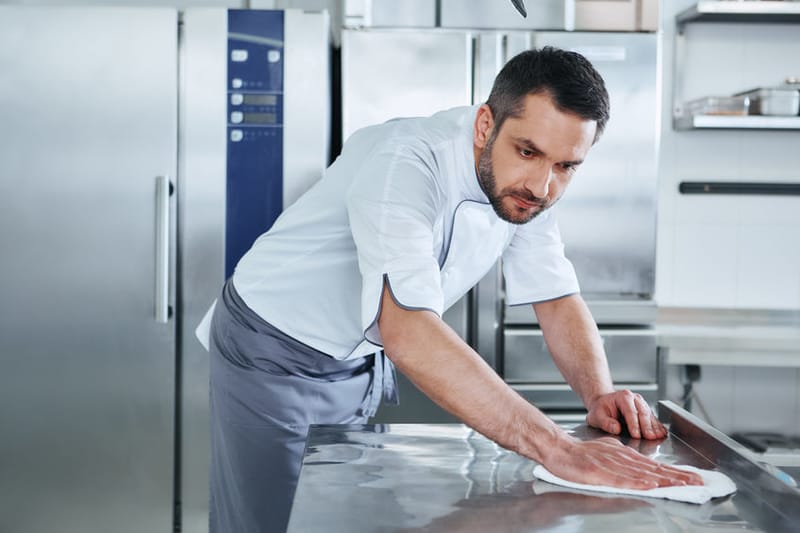
With the current health crisis and the efforts to prevent the spread of COVID-19, certified food protection managers have been required to up the ante on their attention to sanitation procedures in the kitchen and on the dining room floor. While proper sanitation will help prevent the spread of the Coronavirus and keep other contaminants out of the food your serve your guests, frequent sanitation can lead to the risk of chemicals making their way into the food you serve. Since Certified Food Protection Managers are sanitizing more frequently in these times, we should take a look at measures to keep our food free of chemical sanitizers.

Certified Food Protection Managers Guarding Against Sanitizers in Food
Image credit: Dmytro Sidelnikov via 123 photo

Use of Sanitizers in Food Preparation by Certified Food Protection Managers

Sanitizing on a regular basis should not pose any threat to your guests. In fact, proper sanitation procedures should be done as frequently as necessary in order to kill viruses and bacteria in your establishment. The danger in over sanitation doesn’t come from sanitizing too often, it comes from using too much sanitizer product.

There are three types of sanitizer options approved by the Minnesota Food Code for use by Certified Food Managers in restaurants and other food production establishments:

  • Bleach or chlorine solution at 50ppm for 10 seconds
  • Iodine solution at 12.4 to 24ppm for 30 seconds
  • Quaternary ammonia solution at 200 to 400ppm for 30 seconds

Sanitizer solutions at the appropriate dilutions should be enough to keep the Coronavirus at bay. The danger lies is exceeding the amount of sanitizing chemicals in these recommended solutions. At the appropriate levels, bleach, iodine and ammonia will evaporate at room temperature after they have been utilized. If the concentrations are much higher than the recommended dilutions, you run the risk of exposing food that is served or prepared on previously sanitized surfaces. You may have reduced the risk of spreading viruses and bacteria, but you’ve increased the risk of adding unwanted chemicals to your product.

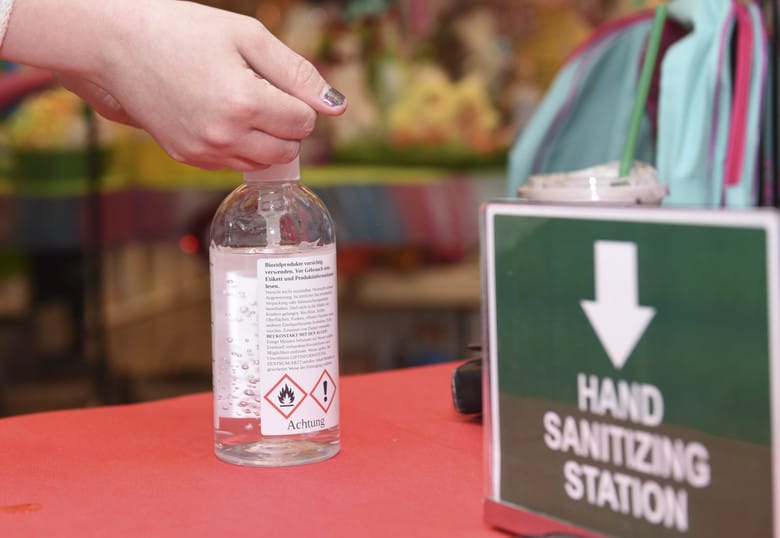
Besides sanitizing our surfaces, we’re also tempted to use sanitizer on our hands more often than before. While the health department allows for the use of antiseptics after hand washing, we must be very careful to remember that bare-hand contact with ready-to-eat foods is not allowed. Certified food protection managers should take an extra precaution and remind their staff to always wear food-service gloves when handling food and to change them after every task. This will prevent sanitizers on our hands from coming into contact with food product.

Are certified food protection managers in your establishment monitoring your sanitizing procedure to prevent chemical sanitizers from contaminating the food you serve?

Reopening Restaurants and Food Safety Training

Reopening Restaurants and Food Safety Training

With Minnesota’s stay-at-home order extended until May 18th, we’re still left with plenty of uncertainty as to when restaurants will be able to return to normal operation. While we don’t know when or how we will be able to allow guests to dine-in in our restaurants, it’s a good idea to start preparing for the time when we’ll be able to do so. The National Restaurant Association, a premier food safety training organization, has published a guide to help restaurateurs prepare for reopening their eating establishments.

Reopening Restaurants and Food Safety Training
Image credit: Ramstein Air Force Base

Food Safety Training Guide to Reopening Eating Establishments

In the National Restaurant Association’s recommended guidance, they’ve broken down four aspects of reopening and food safety training that certified food managers must consider before and during the reopening process.

  • Food Safety
  • Cleaning and Sanitizing
  • Employee Health and Hygiene
  • Social Distancing

While our food safety training procedures must be adjusted to account for reducing the risk of the spread of COVID-19, we must not allow food safety to take a back seat. Preventing corona virus transfer and keeping the food we serve safe can go hand in hand. Here’s a few things you should consider to prioritize food safety.

  • Wash cooking and serving utensils more often than normal.
  • Keep inventory at appropriate levels for reduced service to prevent spoilage.
  • Promote food safety by continued training and monitoring.

Cleaning and sanitizing is a process that can be started now, even before reopening is allowed, and should continue daily as you reopen or provide take-out service as long as stay-at-home rules are in place. Knobs on equipment, light switches, door handles, countertops and other places that are constantly touched should be prioritized, but don’t forget out of the way places that are only contacted a few times a day, or even just once a week. Once we are allowed to reopen, make sure tables, self-ordering kiosks and anything else a guest may touch is sanitized before seating new guests at tables.

The health and hygiene of your staff is now more important than ever. Let your staff know that they must call in sick if they have any signs of illness. Any employee with a fever, cough or other corona or flu-like symptoms must remain home. If an employee does become ill, make sure they are symptom free for at least three days before returning to work. In the event a staff member contracts COVID-19, follow all CDC guidelines.

Finally, enact appropriate social distancing protocols. We don’t know exactly what Minnesota’s regulations on these may be just yet, but we have some things to consider:

  • Separate seated tables by at least six feet
  • Consider self-ordering kiosks or tablets at each table
  • Promote reservations or request guests call ahead to limit waiting with other guests
  • Provide sneeze guards or barriers between service staff and guest where appropriate

Once we have more concrete information from the Minnesota Department of Health, we’ll share our state-specific rules with you. Stay safe and stay healthy.