A CFPM Should NEVER Play The “Does This Smell Old?” Game”- Labeling Secrets

CFPMs keeping food safe through proper labeling

Unfortunately, employees ask their certified food protection manager this question all too often: “Does this smell OK to you?” Before you have to deal with the problem of trying to figure out how old a side of fish, a pre-made soup, or another refrigerated item is by playing the “Does this smell good?” game, CFPMs should take a moment to review proper labeling procedures.

CFPMs Keeping Food Safe Through Proper Labeling
Image credit: bowie15 via 123rf

CFPMs Keeping Food Safe Through Proper Labeling

Three important things should be included on every item in your storage areas.

  • What the product is
  • The date product was received or made
  • Potential expiration dates

The first two items on our list are easy to determine and label, but there is no absolute expiration date. Many prepared foods containing dairy and proteins have a shorter shelf life than others. Knowing that some proteins do not necessarily begin to smell as they age is essential. We suggest determining how long you can store these items before discarding them.

Labeling is just the first step to ensure food safety. We have two other suggestions to help CFPMs prevent spoiled food from being served to your guests. First, never mix two batches of sauces, soups, or other liquids made on different dates. An older batch can contaminate a newer batch and create a hazard even though the label shows a recent creation date.

Secondly, rotation is essential. It has become an industry cliché, but FIFO, first in, first out, should be enforced in every kitchen and preparation facility. Using the oldest-dated product first will ensure that it doesn’t begin to spoil and grow dangerous bacteria.

By following these easy labeling steps, CFPMs can help keep your guests safe from food-borne illness and save your nose from having to smell another potentially rancid side of salmon or pungent sauce.

Food Safety Certification Tested Refrigeration Maintenance Best Practices

Food safety certification refrigerator maintenance

For a manager with Food Safety Certification who deals with food products, properly running refrigeration units is key to maintaining food safety and quality. We thought it important to share a few food safety certification tips to help keep your refrigeration well-maintained and avoid repairs due to malfunctioning equipment.

Food Safety Certification refrigerator maintenance
Image credit: HVACR Videos on Youtube

4 Keys To Refrigeration Maintenance For Food Safety Certified Managers

There are four things that we feel are important to examine regularly in each refrigeration unit.

  • Door seals
  • Cleanliness of drains and coils
  • Temperature
  • Excess condensation

It is important to occasionally inspect the gaskets on your refrigerator door to ensure a tight seal. It is imperative to ensure that your refrigerator seals properly when shut; failure to do so will lead to increased energy consumption as it has to work harder to maintain low temperatures. This can lead to an overworked unit and shorten its lifespan.

The cleanliness of your refrigeration units can be a factor in its performance. You should examine condensation drain pipes and outlets to ensure they are clear of debris and grime. For units with external coils, it is important to inspect and clean them regularly. Most units have coils underneath or on the back of the unit. These are two areas where dust can build up and cause your units to work harder than necessary.

One of the first signs you may have a problem with your refrigeration unit is when you notice temperature fluctuations. Another important thing to take note of is if you have had to turn down your temperature control multiple times in order to maintain proper temperature, this may be a sign that your refrigerator compressor is overtaxed.

If you notice excess condensation or dripping water coming from your refrigeration unit, it may be time to examine it. These issues can lead to larger, harder-to-repair problems.

Certified Maintenance Service

The first two issues are easily recognizable and can often be handled in-house without calling a repair service. The second two, however, may require a certified maintenance service to repair properly. It is important to keep in mind that repairing a minor problem is easier, and less costly, than a major repair or replacing an entire unit.

In the case of refrigeration malfunction, it is important to keep Food Safety Certification MN guidelines in mind if you must find an alternative storage solution.


Instructive Food Safety Certification Tips That Will Keep Kids Safe

Food-Safety-Certification-Tips-That-Will-Keep-Kids-Safe.

If you are a Minnesota food safety certified professional at a daycare center, after-school facility, or restaurant that caters to younger diners, you know that kids have different tastes than adults and often have special dietary needs that must be accounted for. We’ll provide a food safety certification guide on creating a safe and healthy delivery environment for kids.

Food Safety Certification Tips That Will Keep Kids Safe

Food Safety Certification Guide For Serving Children

The first thing to remember when serving children is that they are more sensitive to food-borne pathogens and can have more severe allergic reactions than adults. If your operation serves children regularly or on a large scale, we strongly suggest that you:

  • Pay close attention to heating, storing, and holding temperatures
  • Remove potential allergy risks from your facility
  • Provide gluten-free and low-sugar options
  • Offer a variety of healthy options

In previous posts, we have discussed our first tip in great detail, but it is essential to be diligent when serving at-risk groups such as children. If you are unsure what the proper heating and holding temperatures are, you may wish to review Minnesota Food Code temperature guidelines.

Secondly, removing all allergen risks from your facility may be a good idea if you operate a daycare center or other business that exclusively caters to children. Remember that peanuts, tree nuts, and seafood are high-risk allergen items; keeping them out of your kitchen will eliminate the risk of accidentally exposing a child to them.

It is becoming more common nowadays to come across children who have been diagnosed as gluten intolerant or sensitive to sugar. You can ease many parents’ fears if you supply their children with a gluten-free and low-sugar substitute for their meals.

If you serve the same group of children daily, offering a wider variety of meals is a good idea. Even though some children are OK with the same lunch several times a week, you’ll provide better nutritional options if you vary the meals. While most children would love to eat hotdogs daily, you’ll appeal to parents if you offer a wide variety of healthy meals.

Serving Kids at Restaurants

Remember that parents are looking at what their kids order. There are benefits to restaurants with a special menu tailored to young diners. While frozen pizza and microwavable macaroni and cheese may be cost-effective, parents know the difference. You may wish to consider making your macaroni and other kid’s menu items in-house to show parents that their kids’ meals are just as important as theirs.

Food safety certification trained managers at many outlets choose to get incredibly creative when serving kids. What is one of the best items you have ever seen on a kid’s menu?

Successful Food Safety Managers Deal With Frightening Allergen Trends

Food Safety Managers Deal With Frightening Allergen Trends

With increasing awareness concerning the effects of food allergens, businesses that sell, produce, and serve food products must try to step up their training regarding foods that can potentially cause allergic reactions in their patrons.

Successful Food Safety Managers Deal With Frightening Allergen Trends
Image credit:foodsafety.gov

Potential Allergens and Food Safety Certification MN

.

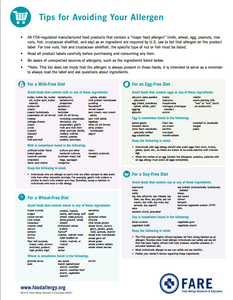
All food allergens fall into eight distinct groups:

  • Fish
  • Shellfish
  • Peanuts
  • Tree nuts
  • Soy
  • Milk and dairy
  • Eggs
  • Wheat and gluten

Easily recognizable in this list as potentially dangerous allergens: fish, shellfish, tree nuts, and peanuts. Handling these allergens with incredible care is vital to prevent them from coming into contact with other foods. People allergic to these can have severe and instant reactions to even the slightest contact.

Steps to Keep Food Product Safe from Allergens

Firstly, educating ourselves is crucial in dealing with potential allergens. Every employee with food safety certification in MN should know what potential allergens are and where they come from. Above all, a list of allergen categories and the foods in those categories must be easily accessible to those who work with food.

In addition to being aware of the significant allergen groups, food workers should know which allergens are in the foods they produce or serve. Awareness of products containing egg, milk, soy, or wheat ingredients is essential. Many of these ingredients can be known by different names that do not directly indicate they are derived from these allergens. Being familiar with the ingredients of pre-packaged sauces, spice mixes, and other food products that are brought in rather than made on-site is essential in preventing allergic reactions.

Finally, thoroughly clean any preparation tool that has come into contact with these potential allergens. Everyday items that come into contact with these foods are oven mitts, tongs, knives, slicers, and other production tools that frequently come into contact with food products.

With some training and diligence, it is possible to reduce the likelihood of accidental allergen contact significantly.