Food Safety Training Uncovers The Truth About Commercial Food Slicers

Food Certification MN and Keeping a Clean Slicer

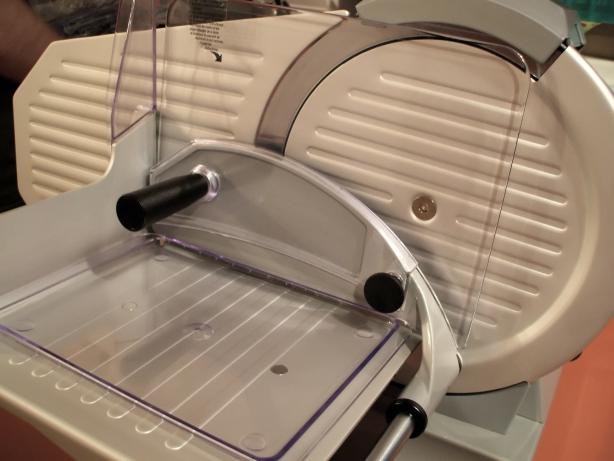
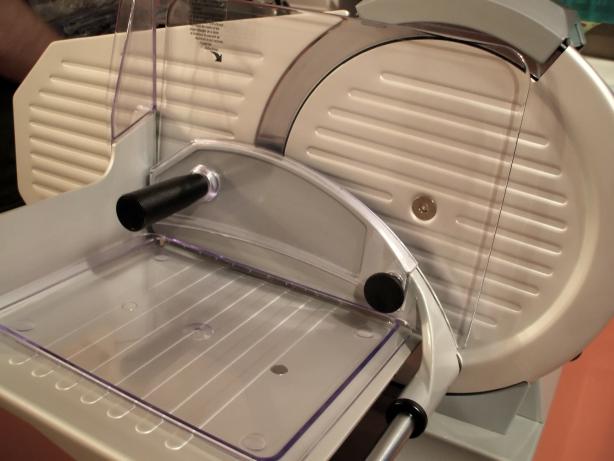
Food safety certification training recommends keeping your food slicer clean to prevent cross-contamination and spoiling products from creating a health hazard. You’ve learned in your food safety certification MN training that cross-contamination is a common cause of foodborne illness. The industrial meat slicer can be a breeding ground for many bacteria that can make your customers sick, and we feel that the commercial slicer requires extra care when cleaning and should never be neglected during your daily routine.
Food Safety Training Uncovers The Truth About Commercial Food Slicers

Food Safety Certification Training Focused On Keeping The Commercial Slicer Clean

It is essential to thoroughly clean and sanitize your slicer after each use. This can be a time-consuming process, but it is necessary. We’ve noticed that many busy outlets that use their slicer constantly, such as delicatessens, do not thoroughly sanitize them during the day. Simply wiping the slicer down with a damp cloth is not suffient Ensure to thoroughly clean the blade, slicing tray, and handles regularly. To ensure thorough cleaning of the slicer, it may take some time and require removing several parts. This thorough process is essential. For the safety of employees, it is imperative to turn the slicer off and unplug it prior to cleaning.

There are ways to reduce the number of times you must take your slicer apart to clean it during normal activities. Plan your slicing routine according to the types of food you are slicing. Slice all of your cheeses simultaneously, then move on to cooked sandwich meats and finish with any raw proteins, ensuring that your slicer is cleaned and sanitized between each step.

Always clean and sanitize the slicer immediately after use, if it will be inactive for any length of time. Small particles of cheese or meat can fester in unseen places and create a cross-contamination nightmare. Just because your slicer looks clean doesn’t necessarily mean it is. “Before each use, inspect your blade for any leftover debris.”

To maintain the safety of the food you serve your guests, it is crucial to properly care for all the equipment, including the slicer, as recommended by food certification training. Do you have a piece of equipment in your facility that you feel needs more attention than it currently gets?

Taking A Break From Food Safety Certification For The Unparalleled State Fair

Taking a Break from Food Safety Certification to Enjoy the MN State Fair

It’s August again, meaning it’s just about time for the Minnesota State Fair. During the State Fair, we take a break from food safety certification MN training and HACCP testing to take in this once-a-year event’s sights, sounds, smells, and tastes. There is something for everyone, from ogling prize-winning agricultural feats to taking in concerts to finding the most audacious, rule-breaking, deep-fried items on a stick. This week, we’d like to share exactly why we think our fair is the best the country has to offer.

Taking a Break from Food Safety Certification to Enjoy the MN State Fair
Image credit: commons.wikimedia.org

Creative Cuisine at the Minnesota State Fair

Every state says its state fair is bigger and better than the rest, but we Minnesotans believe otherwise. Our state fair offers a great blend of entertainment on the grandstand, incredible horse shows, and a wide array of the best arts and crafts the Midwest has to offer. Still, one of the things that we enjoy the most is the innovation the local food community puts on display.

In the past, the state fair has become known for vendors pushing the envelope when putting food on a stick. With so much to do, there is little time to waste on taking in a sit-down meal. That makes food on a stick the choice of most fair patrons. We’ve seen quite a few creative offerings in the past, such as:

  • Any battered and deep-fried candy
  • Sausages and corn-dogs
  • Sushi
  • Fried olives

Of course, the food on a stick doesn’t stop at deep-fried cuisine. Desserts such as s’mores, waffle-wrapped ice cream balls, and other sweet items are readily available. Some of our local craft brewers have also found inventive ways for fairgoers to purchase sampler flights on a stick.

MN State Fair Food Safety Certification Note

We just said we’re taking a break from food safety certification training. However, we feel obligated to point out that fair attendees should know that every Minnesota State Fair food vendor must comply with the same food safety requirements as year-round establishments.

But the fair isn’t just about inventive deep-fried cuisine. There’s also the regionally famous canning and preserve competition, as well as the always intense and mouth-watering baked goods contest that has entry levels for all age groups and any baking style you could imagine.

We’re looking forward to seeing what creative cuisine on a stick vendors create this year and which baked good takes home the best in show. What’s your favorite food moment at the Minnesota State Fair?

Tested Techniques For CFPMs To Deal With Shortages

techniques for CFPMs to deal with shortages

Even though they are becoming common, food shortages due to drought, global conflicts, product recalls, or supply chain issues can be frustrating for MN-CFPMs. While these shortages can be a major inconvenience, your facility still has to work through them, so we felt we’d offer a few suggestions for when food shortages arise.

How Certified Food Protection Managers Deal with Product Shortages

Tested Techniques For CFPMs To Deal With Shortages
Image credit: xtrekx via 123rf

When shortages prevent certified food protection managers from producing their usual dishes, we have three solid recommendations to offer.

  • Find a second source for product
  • Come up with an adequate substitution
  • Keep your customers informed

Most large food service suppliers source their goods from major national sources. When drought or cold weather affects supply from well-known producers, consider turning to smaller outlets. If major growing regions have limited amounts of produce, such as greens and fruits, that are available, CFPMs may wish to contact local sources or smaller food supply companies to see if they have your required ingredients available. Your local area farms may also be a solution. This option may be more expensive, or you may have to pick up your produce rather than have it delivered. Local suppliers may offer the same products as major growers, so you can keep serving the same cuisine as before.

Sometimes, a second source for a product simply does not exist. During a major recall of any product, alternate suppliers are stretched thin. When confronted with this type of shortage, CFPMs may need to stretch their creativity and develop new menu items and unique substitutions with their current production. For some menu items, there can be quick and easy substitutions that your guests will readily accept, such as salads and side dishes. If an item cannot be served, such as the protein for a main course, bringing in a similar protein and running a temporary replacement dish on your menu is a good idea.

Make Guests Aware

Finally, inform your customers of dishes and product substitutions before ordering. Very few things are more frustrating than not being told that the menu item you have decided on is unavailable when it comes time to order. Tell your guests which items on your menu are unavailable due to product shortages before they are even given a menu. Also, make sure that your servers are also aware of the situation. Taking an order for an item you do not have available should never happen.

At Safe Food Training, we’d like to hear your strategy for dealing with ingredient shortages. Do you prefer to make substitutions, find new sources for ingredients, or temporarily remove unavailable dishes from your menu?

3 Advantages Of Powerful Instructor-Led Food Safety Certification Course

Group discussions stimulate student participation

The internet and mobile technology have given us instant access to nearly any kind of training and education that we could ever need. It’s possible to complete nearly any certification course online, including food safety certification in MN. Despite its convenience and accessibility, online training may not be an ideal substitute for a structured classroom setting. This week, we’ll discuss the advantages of taking an instructor-led food safety certification course from Minnesota’s highest-rated provider.

Advantages of an instructor led food safety certification course

Advantages Of Instructor-Led Food Safety Certification Course

While both options have pros and cons, some key differences make the classroom experience more complete compared to an online course.

  • Instructors are available to answer questions
  • We have scheduled discussions to encourage student participation.
  • Certification exams can be scheduled on the same day as the instruction

In online learning, students must independently seek answers to their questions. This added research can take time and lengthen the training process. In a classroom setting, a qualified instructor can quickly answer your questions. You can be confident that your instructor’s answers will be relevant and applicable in your jurisdiction. The internet contains a wealth of information, but researching questions outside of the required material can turn up inaccuracies and answers that may not apply to the current food code.

When you take an instructor-led course, you can immediately take your certification test after the instruction and review session. Even if you choose to take your certification classes online. You will still need to make an appointment to take your actual exam at a certified testing center at a later date. Taking the exam right after finishing the food safety course improves your chances of passing as the information is still fresh.

Minnesota’s Top-Rated Instructor-Led Courses

Nothing beats human interaction. We understand that sometimes training can be dry and tedious. An instructor can bring personality to training, making it more refreshing than doing it alone in front of a computer. You’ll also be able to associate with other members of the food community who may have questions or ideas you have not considered. Completing a food safety course with peers can be a motivating experience you can’t get alone.

Safe Food Training offers both instructor-led and online food safety certification courses. Our top-rated instructors lead courses regularly scheduled at multiple central Minnesota locations. Don’t miss out on the opportunity to enroll in our five-star courses! We would be happy to serve your needs with either option.