Spotlight On Holiday Donation Resources For Food Safety Managers

Spotlight On Holiday Charitable Donation Resources For Food Safety Managers

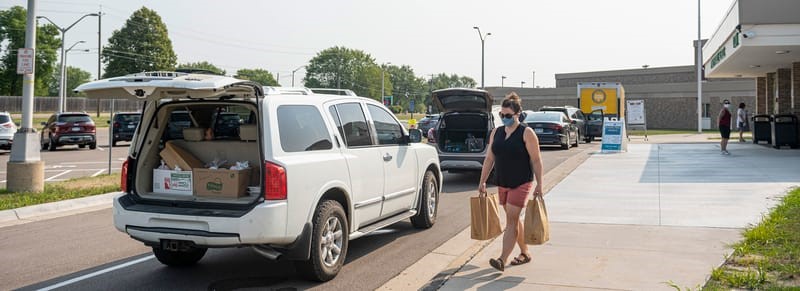
Nearly one in 11 Minnesotans struggle with hunger or are food insecure, and coming out of the COVID pandemic, many are still fighting poverty to feed their families. Over the hard times of the past two years, Minnesota food safety managers stepped up to help fill that void by donating surplus supplies, ingredients and meals to local food banks and charitable meal providers, but now that we’re entering the post-COVID holiday season we should be aware that the hunger problem hasn’t dissipated with the pandemic, and Minnesota food businesses can still play a vital role in helping struggling families enjoy the holiday season. We’ve assembled a list of donation resources for food safety managers who want to help local families in need.
Spotlight On Holiday Charitable Donation Resources For Food Safety Managers
Image credit: Second Harvest Heartland

Donation Resources For Food Safety Managers That Can Help Struggling Families Put Food On The Table During The Holidays

There are many reasons for food safety managers to consider donating surplus or ordering and preparing extra holiday dinners to donate during the holidays. Some include:

  • Tax deductions
  • Waste reduction
  • Business promotion
  • Becoming a vital part of the community

While charity doesn’t always include a business bonus, sometimes helping your community can help reduce your taxes. Food businesses that donate food are eligible for a tax deduction. A tax deduction up to twice the cost of purchasing the product donated can be written off come tax time. This includes surplus as well as food brought in with the intention of donation.

Donating surplus over the holidays will not only feed struggling members of your community, it will also reduce waste and help keep your food cost in check. Nearly one-third of product brought into food businesses is wasted, so donating excess can go to help your neighbors rather than the dumpster.

Finally, businesses can donate anonymously, but often times charities will give credit to donors. When your food business donates meals, ingredients or other items during the holidays, your community will inevitably hear about it. When your business is known for charity, you may attract customers who may have never frequented your business if they didn’t know you were a vital part of the community during the holiday season.

Here’s a brief list of donation resources on how food safety managers can donate during the holidays. Many local municipalities have organizations and charities focused on your local communities, so feel free to reach out to local charities not listed here:

Do you have plans to donate product to charity this holiday season? Do you know of other donation resources food safety managers can use to distribute food to the community?

Expert Food Safety Tips For The Return Of Food Truck Festivals

Expert Food Safety Tips For The Return Of Food Truck Festivals

After a year of restrictions, the activities our area is famous for are returning and Minnesota residents are eager to resume their summer adventures. Events like Minnesota Food Truck Festival are coming back after being cancelled in 2020, and we can’t be more exited. With an estimated 50 vendors, live music, games and other activities, you may want to mark your calendars on July 17th in St. Paul and August 12st in Anoka for these events. If you’re a food truck owner, it’s probably been a while since you’ve had these kind of opportunities, so it’s helpful to review a few food safety training protocols for food trucks.

Food Safety Tips For The Return Of Food Truck Festivals
Image credit: City of Anoka

Food Truck Food Safety Training for Large Events

Food truck operators face unique challenges when it comes to food safety due to the nature of their business. Food truck kitchens are smaller, must rely on outside sources for water and other utilities and must operate with limited staff due to the cramped kitchen space. Here are our top three food safety risks food truck owners must monitor:

  • Handwashing capabilities
  • Cross-contamination potential
  • Time and temperature control

Many food trucks don’t have an unlimited supply of water built in, so operators should find locations with an onsite water supply for handwashing. Fortunately, most sites that host food trucks will have water access available. Just remember that your location must have hot water available in order to ensure properly washed hands. Depending on the volume of business, some jurisdictions allow an onboard water tank to be used as a water supply. If your truck has that capability, be sure to test your supply to ensure it’s hot enough to ensure clean hands. Remember that every time you change gloves or touch raw foods, you need to wash your hands properly.

Due to the limited storage, there is ample potential for cross contamination. In order to prevent foodborne illness from cross contamination, we suggest using separate cold storage for raw product, produce and ready-to-eat-foods.

Finally, many food truck operators hot hold certain items in order to improve efficiency. Food safety managers who operate food trucks should periodically review proper time and temperature control with any employees working in their food truck.

Do you operate a food truck or plan on attending a food truck festival this summer?

Advice For Food Safety Managers Re Startling Norovirus Rise In MN

Advise for Food Safety Managers re Startling Rise in MN Norovirus Infection Rate

In our daily research on current food safety risks and outbreaks, we came across an article outlining a recent rise in norovirus infections in Minnesota. Norovirus spreads extremely easily and causes vomiting, diarrhea and other stomach issues. Even though it’s easily spread, it’s also easy to combat with simple food safety measures. Let’s take a look at how food safety managers can do their part to help control norovirus spread.

Advise for Food Safety Managers re Startling Rise in MN Norovirus Infection Rate
Image credit: antos777 via 123rf.com

Controlling the Norovirus Outbreak in Minnesota

Over the course of the past year, business has been down in the food service sector, but now that things are beginning to open, our restaurants are once again nearing capacity increasing the risk of foodborne illnesses like norovirus. Fortunately, norovirus can be controlled using basic sanitation methods and monitoring employee hygiene. The simplest way to stop the spread of norovirus includes the following simple food safety steps:

The good news is that these norovirus infection issues have been reinforced due to COVID-19 prevention, but as our restaurants begin to get busier and food service workers face more hectic shifts, we cannot become lax with these basic food safety management protocols or we’ll face more foodborne illness outbreaks such as the current rise in norovirus in our state. Remember to take the time to wash your hands often, wear food-service gloves or tongs when handling food and stay home when under the weather.

Have you taken steps to review basic food safety procedures as business begins to pick up?

How to Serve Expectant Mothers Utilizing Food Manager Safety Standards

How to Serve Expectant Mothers Utilizing Food Manager Safety Standards

During a recent food manager safety training and certification class, we were having a discussion on cooking temperatures and time control and how you must include a menu advisory should customers wish to order undercooked proteins such as over-easy eggs or a medium-rare steak. It just so happened that we had an expectant mother attending the session, and she brought up the point that pregnant women need to follow stricter food safety standards when it comes to the foods they consume. With that in mind, it’s important to take a look at food manager safety standards in the event you have a pregnant guest who has questions concerning your menu items.

How to Serve Expectant Mothers Utilizing Food Manager Safety Standards
Image credit: Olena Yakobchuk via 123rf

Food Manager Safety and Pregnant Women

Bacteria and pathogens that may not affect the mother may have dire consequences to the young life growing inside her. This is why you must be careful when preparing food for women that may be pregnant.

All food prepared for expectant mothers must be served hot enough to have killed common pathogens. Undercooked proteins could still contain bacteria. Fish is a great source of protein for a growing baby, but can contain parasites, bacteria or viruses, so food manager safety standards recommend special caution to ensure all seafood is cooked thoroughly. Sushi, sashimi, ceviche and raw shellfish should never be served to pregnant guests.

Some foods commonly thought of as ready to eat may not be safe for pregnant mothers and their future child. Cured deli meats, lox, smoked fish and jerky may pose some sort of health risk due to not being fully heated during the curing process.

Certain dairy products also pose a threat. Food manager safety standards suggest CFPMs be aware that soft cheeses like gorgonzola, brie or feta can spread small amounts of salmonella, E.coli or campylobacter to a growing fetus. Any unpasteurized dairy products can cause harm and should never make their way to a pregnant mother’s plate.

Finally, undercooked eggs also could contain salmonella that might endanger a developing child. Besides the obvious undercooked eggs, there are quite a few common menu items that contain undercooked eggs.

  • Caesar salad dressing and other creamy dressings
  • Hollandaise sauce
  • Custards

When serving products that contain eggs, assume any items that do not reach 155-degrees during the cooking process as unsafe for expectant mothers.

Do you feel prepared to serve expectant mothers according to food manager safely standards when they choose your establishment?