New Food Safe Managers Training for Color Coded Cutting Boards

New Food Safe Managers Training for Color Coded Cutting Boards

Cross contamination causes numerous foodborne illnesses every year, and food safe managers need to take steps to train their staff on the risks and provide the tools necessary to prevent sickening guests. Rather than using generic white cutting boards, food safe managers may want to look into different colored cutting boards with designated purposes to greatly reduce cross contamination risks.

New Food Safe Managers Training for Color Coded Cutting Boards
Image credit: Hygiplas viaBigomart

How Food Safe Managers Can Train staff To Use Colored Cutting Boards Reduce Foodborne Illness Risk

While you can properly wash, sanitize an utilize generic cutting boards for any purpose, there’s often a chance that a cutting board can be mistakenly used for raw product and then prepared food or a board may be contaminated with an allergen that only one member of the kitchen is aware of, increasing the risk of it being used again. Purchasing color coded boards will clearly identify what type of product can be used on each cutting board. There are a few different patterns, but the most common codes are:

  • Green: Raw Vegetables
  • White: Cheese and Dairy
  • Red: Raw Meat
  • Brown: Raw Seafood
  • Yellow: Raw Poultry
  • Blue: Finished Product
  • Purple: Allergen Free

As you can see, food safe managers and their staff can clearly identify what product has been prepared on each board if the system is followed. A blue board that has been left out had obviously been used for cooked product while red, brown and yellow are warning flags that there is increased risk of cross contamination with raw product should that board be used for any other purpose.

We’ve looked at several sets available on the market, and many neglect the risk of allergen contamination. We strongly advise food safe managers look into purchasing a purple or uniquely colored cutting board that is reserved only for use in the event a guest with known allergies requests food be prepared on an allergen free surface.

The color code isn’t always a catchall, however, if you’re in doubt as to if a board is contaminated or not, take the time to wash it before using.

Do you use color coded cutting boards to prevent cross contamination?
Proven Food Safety Manager Training For Your Delivery Service

food safety Manager Training for Your Delivery service

Over the past two years, many restaurant patrons have changed the way they order their meals giving food safety managers the challenge of adapting to foodservice beyond in-person dining. With COVID-19 numbers fluctuating and regional regulations impacting food service, many patrons have taken to delivery services to order from their favorite eating establishment. Delivery provides a whole new set of food safety hazards that don’t exist within the confines of a dining room, so it’s important for every food safety manager to look at how to keep your food safe during the delivery service process.

Proven Food Safety Manager Training For Your Delivery Service
Image credit: belchonock via 123rf

How Food Safety Managers Can Keep Food Safe During Delivery Service

There are very limited regulations in the MN food code regarding what happens to food after it leaves your restaurant for delivery, so food safety managers have to use common sense to create their own procedures to keep food safe during the delivery process.

If you don’t have your own delivery drivers, your restaurant may rely on Postmates, GrubHub and Uber Eats for delivery service. Unfortunately, since these drivers are not members of your staff you’ll have no control over what happens to your meal once the driver leaves your establishment. The good news is, the drivers of these outside services are professionals, and many will take precautions to keep food warm and reduce contamination risks, but you can still take precautions to help keep food safe. When preparing food for delivery, make sure you:

  • Keep food hot until pick up
  • Prepare food as close to pick up time as possible
  • Use appropriate to go containers to prevent spillage

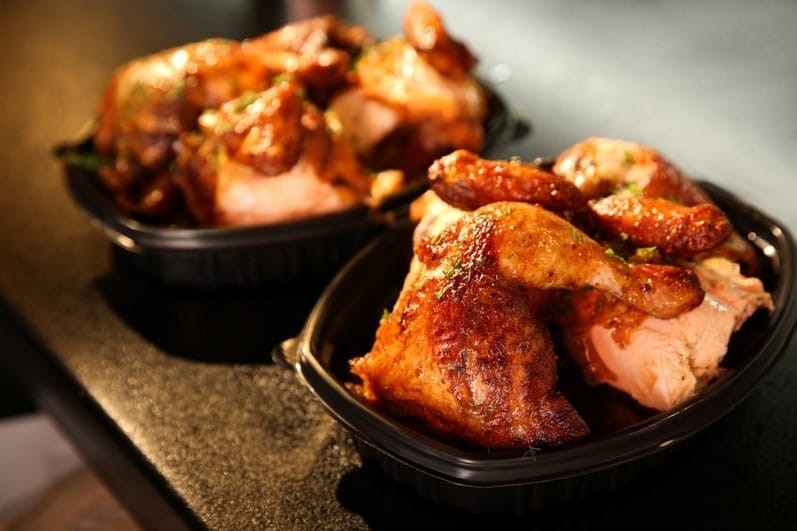
Rather than leaving to-go and delivery orders at the bar or hostess stand, we recommend you keep it in a warmer or under a heat lamp until it’s ready to leave the building. This will reduce the amount of time your food is a risk of falling into danger zone temperatures. It’s also a good idea to have the food prepared as close to the pickup deadline as possible and stored in sealed containers that won’t spill during transport. We all love a warm bowl of soup as a side dish with sandwiches or burgers, but we’ve yet to see a creamy chicken noodle club sandwich at any of our favorite restaurants, so make sure containers are sealed before leaving the restaurant.

Establishments that do employ a delivery driver can have much more control over the safety of your product during delivery. Make sure to stock up on insulated delivery bags in order to ensure freshness upon delivery.

What steps does your food safety manager take to keep your food safe during deliveries?

Really Simple Cold Weather Tips For Food Safety Managers

Tips for Food Safety Managers

Different seasons bring different food safety challenges, but many times, food safety managers concentrate on the unique of spring, summer and fall and neglect certain hazards that can occur when the weather turns bitterly cold. While winter may not be as challenging as other seasons, there are a few food safety hazards to be aware of. We have highlighted some cold weather tips for food safety managers.

Really Simple Cold Weather Tips For Food Safety Managers
Image credit: 123rf

Tips for Food Safety Managers can Prevent Cold Weather Foodborne Illness and Safety Hazards

Some of the cold weather hazards may be difficult for food safety managers to identify, but a few important ones to monitor include:

  • Water temperatures in faucets and dishwashing machines
  • Contaminates from heating systems
  • Winter weather elements in the kitchen

The temperature of the water coming out of your faucets may be colder when the tap is turned on in the wintertime, especially at the beginning of your daily operations. At the beginning of shift or after long periods of inactivity, food safety managers should run the hot water in their handwashing sinks and dishwashing areas until a high temperature is reached. If cold water is coming out of the faucet instead of hot water, hands may not be properly washed and dishes may not become clean. Periodically check to ensure your hot water lines are charged with hot water.

In the winter, your heating system will operate frequently/constantly. Another tip for food safety managers is, take the time to regularly clean heating elements and ducts to prevent dust from blowing around your establishment. It might also be a good idea to hire a professional duct cleaner to service your heating system and replace air filters at the start of the cold season.

Winter weather brings snow, and it’s much easier for snow to make its way into the kitchen than other weather elements. We always appreciate a good snowball fight, but that should be left to the outdoors. The friendly rivalry between the front and back of the house can often boil over in the wintertime when plenty of ammunition if freely available when snow begins to fall. Snow can be contaminated, and a thrown snowball may contain pathogens that could sicken guests. Save the snowball fights for breaks and after hours in the parking lot.

How do you prepare for winter weather in your establishment? Do you have other tips for your fellow food safety managers related to cold weather?

The Latest Food Safety Training On Hair Coverings

The Latest Food Safety Training On Hair Coverings

Kitchens and food production facility managers perform an essential role in monitoring employee health and hygiene. Making sure staff stay home when they’re sick, wash their hands regularly and adhere to all personal health rules are important, but oftentimes the rules behind hair coverings can be lax, overlooked or misunderstood. In order to properly provide food safety training in your establishment concerning hair coverings, we’d like to provide a precise breakdown of the Minnesota food code regulations on the subject.

The Latest Food Safety Training On Hair Coverings
Image credit: nvxier via Pixabay

Proper Food Safety Training for Wearing Hair Coverings in the Kitchen

According to the food code, any employee working in a food production establishment must wear a hair restraint that prevents hair from coming into contact with food product. Allowed hair restraints include:

  • Hair nets
  • Hats
  • Beard and moustache nets
  • Clothing that covers body hair

While hair nets are acceptable, hats have become a very popular head covering in the food industry. Paper chef hats, linen baker’s hats and baseball caps are all acceptable types of head coverings to restrain hair. Chef and baker’s caps can add a touch of class or professionalism if members of your kitchen staff can be seen by guests, and baseball caps can be comfortable and embroidered with your business’s logo to give some uniformity to your team. In your establishment’s food safety training, make sure that you note that employees with longer hair should style their hair in a way to be completely restrained by their hair covering. Sometimes simply wearing a hat is not quite enough to prevent hair from touching food product or preparation surfaces.

As you can see by our list, food safety training for hair restraints includes much more than just the top of the head. If you have employees who sport facial hair, they should wear a specially designed hair net that restrains facial hair. You should also ensure that employees wear appropriate clothing to cover body hair. Make sure that there are no open shirts or tank tops worn in the kitchen that could expose body hair.

There are a few situations in which hair coverings are not required. Many service staff are exempt from this rule. Waitstaff, hosts and hostesses, bussers and counter attendants who only serve beverages or prepackaged items do not have to don head coverings.

Finally, we’ve been asked from time to time whether bald kitchen workers require a head covering. For consistancy in your food safety training policy, we recommend that all personnel in the kitchen abide by the head covering rule even those who shave their head.

Does your establishment’s food safety training have a uniform head covering rule in place at your business?