Useful Idea for CFPMs- Bolster Staffing with Culinary Students

Useful Idea for CFPMs- Bolster Staffing with Culinary Students

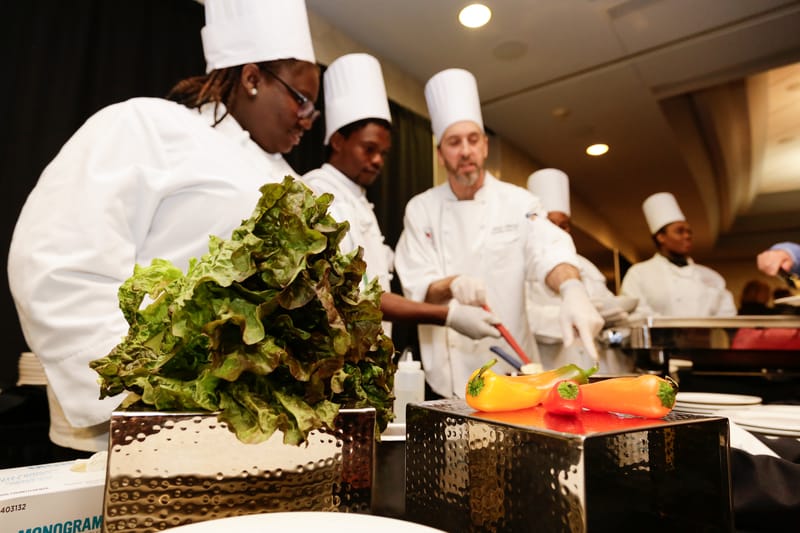
We’ve heard reports from some certified food protection managers CFPMs that the industry seems to have a shortage of applicants for open positions, and many food businesses are scrambling to bolster their staff to keep the kitchen fully staffed. Where help-wanted signs and ads on popular job websites may not be working, perhaps a call to your local culinary school would help fill vacancies, at least in the short term. We’ve talked to a few culinary instructors and found that they’re also looking for food businesses and CFPMs who have staffing opportunities to help their students gain real-world experience.
Useful Idea for CFPMs- Bolster Staffing with Culinary Students
Image credit: GSK via Flickr

How Culinary School Students Can Help Solve a Staffing Crisis for CFPMs

Over the past few decades, culinary schools have become more popular and have spread beyond exclusive schools for future high-end chefs to local technical and junior colleges for those looking to get their foot in the door in the industry. There are even programs at some larger high schools where students can earn future college elective credits by taking culinary classes, so while there may be a shortage of seasoned food-service professionals, there’s no shortage of those interested in learning about the industry.

CFPMs who need to fill staffing vacancies can take advantage of the culinary education sector by contacting these programs and searching for possible candidates for open job positions. These candidates may be raw when it comes to real-world experience, but they’ll have the desire to grow and learn. Many of these programs even require an internship or work-study, so your business’ interest in hiring a culinary student helps them to graduate and earn their degrees.

For the most part, internships and work-study programs aren’t exactly the beginning of a full-time career path for applicants in your company, but CFPMs can temporarily alleviate the staffing shortage for a set amount of time. These programs have a certain number of required work hours, so you’ll have a good idea as to an end date for your new temporary hire, and who knows, you could find a passionate professional who loves working in your food business and decides to stay if the option is available.

Has your certified food protection manager considered looking into hiring interns from a Minnesota culinary school?

Food Safety Advice For Visitors In The Kitchen

Food safety advice for visitors in the kitchen

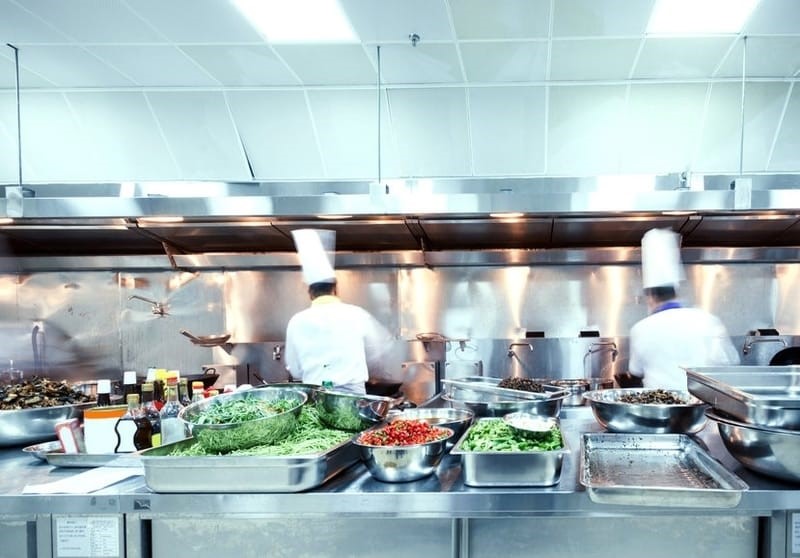
The kitchen of most food businesses can be a busy place, and often you may have vendors, maintenance staff and other non-food service personnel either working or passing through your kitchen. Since these guests are not technically food-service workers, is there any outlined food safety management training necessary for these individuals? Food safety managers are obligated to cover every foodborne illness risk, and this may mean taking the time to assess what steps need to be taken for non-staff kitchen visitors in your establishment.

Food Safety Advice For Visitors In The Kitchen
Image credit: highwaystarz via 123rf

Food Safety Precautions for Visitors in Food Preparation Areas

Before we take the time to discuss precautions, it may be important to outline who should and should not be visiting your kitchen. There are many individuals who have business there, but before we invite grandma and the neighbors to hang out on the line there should be some ground rules.

When considering outside visitors, kitchen managers need to ask staff to respect the boundaries of the kitchen. If visitors don’t have a business-related purpose in food preparation areas, they should be asked to wait in public spaces. It’s not that we’re against friends and family stopping by; it just adds potential safety risks and possible foodborne-illness hazards to have untrained personnel in the kitchen.

Outside individuals who may have business in your establishment may include:

  • Vendor representatives
  • Delivery personnel
  • Maintenance staff
  • Corporate managers

Your vendors and food service suppliers should already have some situational awareness in the kitchen and may know better than to get in the way in a busy environment. However, if they’re handling food that is being inspected, sampled or delivered, it’s best to ensure bare-hand contact rules are followed. The same goes for delivery drivers. Most of these types of kitchen visitors have already been trained in some respects for food safety, but it’s always prudent to keep an eye out for potential contamination risks.

If you have planned maintenance whether it’s hood vent cleaning, equipment repair or any other type of work being done in your kitchen that does not involve food preparation, take steps to ensure that all food product is removed from areas where work is being done. Even if it’s something as simple as having new shelving installed in dry storage, the potential for contamination can be high in these situations.

Finally, larger food businesses, especially those with multiple locations, may have corporate higher-ups stop by. Most of these types may not have had food safety management training but may look to get involved in some food preparation activities during their time in your kitchen. Be prepared to respectfully ask them to not handle food if that is not the nature of their visit.

How do you deal with visitors to your establishment?

New Food Safety Management Training For Facilities Serving Susceptible Populations

New Food Safety Management Training For Facilities Serving Susceptible Populations

Some recent updates to guidelines involving facilities that house or serve susceptible populations, and a few of those updates directly address food safety management training in these types of businesses. It may not be a rewrite of the actual code, but the Minnesota Department of Health has cleared up and outlined equipment guidelines for assisted living facilities and other outlets that specialize in serving those that may be more prone to foodborne illnesses.

New Food Safety Management Training For Facilities Serving Susceptible Populations
Image credit: snvv via 123rf

New Kitchen Equipment Standards For Facilities Serving Susceptible Populations Will Impact Food Safety Management Training

Most kitchen equipment can be broken down into two categories:

  • Food preparation surfaces
  • Preparation equipment

Proper food safety management training for both of these categories must be certified or classified for proper sanitation by ANSI standards. When talking about food preparation surfaces, surfaces in medical facilities, child care centers, and senior activity centers must be:

  • Corrosion-resistant
  • Able to withstand repeated washing and sanitation
  • Finished with a smooth, cleanable surface
  • Resistant to scratching, pitting and other types of damage from contact with utensils

Food contact surfaces not only include cutting and mixing surfaces, but also include equipment that contains a surface that cooks food. Flattop grills, steam kettles and other devices that cook food must meet these standards. Food preparation equipment outside of preparation surfaces can include:

  • Walk-in refrigerators and freezers
  • Mechanical warewashing machines
  • Ice machines
  • Cooking equipment besides microwaves and toasters

With few exceptions, most cooking and mechanical equipment used to prepare food in facilities that serve a susceptible population must meet an ANSI standard. Food safety management training will point you to a sticker or emblem somewhere on your equipment that shows if it has been certified. Common certifications include:

  • NSF International (NSF)
  • ETl Sanitation
  • Underwriters Laboratory (UL)
  • Baking Industry Sanitation Standards Committee (BISSC)

If you serve susceptible populations have you updated the food safety management training you provide to your staff?

The Dirty Truth About Food Safety Managers Air Drying Dishes

The Dirty Truth About Food Safety Managers Air Drying Dishes

When training staff how to wash dishes by hand or proper procedures using a warewashing machine, food safety managers should always teach air drying dishes completely before they are put away. It may be tempting to stack drying dishes to save space or use a clean towel to speed up the process, but air drying offers the safest way to dry dishes from a food safety standpoint. In order to make this common practice it helps to explore the science behind air drying dishes in your kitchen versus other methods.

The Science Behind Air Drying Dishes for Food Safety Managers

Some food service employees may think that “dry is dry,” so why does it matter how we get there? Why can’t we simply use a towel or just put dishes away as soon as they’re done being washed?

Towel drying clean dishes produces a major cross-contamination risk and actually soils the dishes as you dry them. Imagine using the same bath towel every time you step out of the shower, but you’re showering hundreds of times a day. We’re not sure what you’re doing to require that many showers, but what you do on your own time is up to you.

Over the course of continued use, a damp towel can harbor bacteria, sanitizer solutions and be a breeding ground for foodborne illness culprits. All it would take is for one contaminated plate for your entire warewashing inventory to become a food poisoning nightmare.

Stacking your dishes before they dry is also a recipe for disaster. Most sanitizer solutions need to air dry to fully evaporate off of the surface of dishes. Stacking your dishes could trap the moisture and sanitizing solutions together increasing the risk these chemicals might come into contact with a customer’s meal. If moisture is trapped between stacked dishes for great lengths of time, it can also attract bacteria, mildew and even insects, so make sure dishes dry completely before storage.

Experienced food safety managers know the best solution to air drying dishes is to provide a stainless steel drying rack where dishes can be stored to dry. Make sure all dishes have space for air to travel through to promote drying and never line the shelves with towels or other materials that may absorb moisture and promote bacteria growth.

Do you have a well thought out solution for air drying your clean dishes?