Professional ServSafe Food Managers Need To Inspect Ready-to-Serve Produce

ServSafe Food Managers Need To Inspect Ready-to-Serve Produce

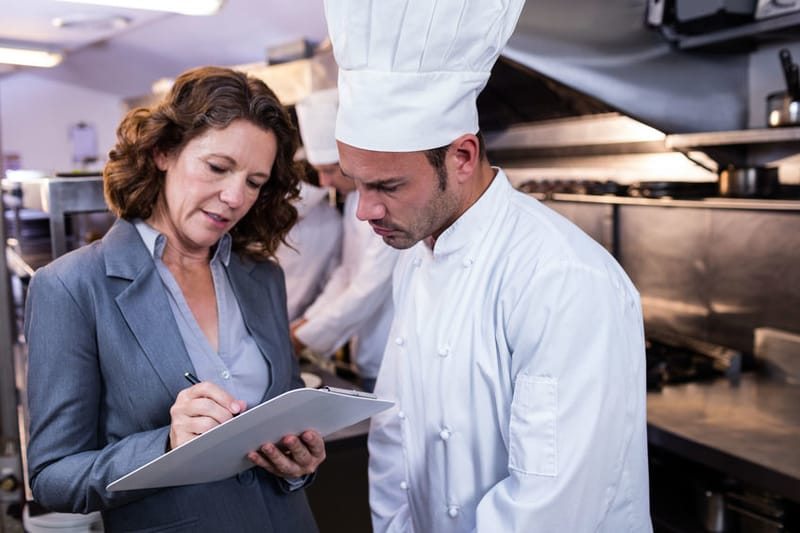
A high percentage of ServSafe food managers rely on produce items that are packaged ready to serve, but that doesn’t mean we can simply look at the expiration date and serve to customers without some sort of inspection process. Just because your bag of salad greens claims to be triple washed and good to go right out of the bag, it doesn’t mean there are zero food safety risks or quality control issues.

ServSafe Food Managers Need To Inspect Ready-to-Serve Produce
Image credit: baojia1998 via 123rf

ServSafe Food Manager Safety Procedures For Ready-to Serve Produce

Prepackaged produce can be a huge timesaver. Bagged spinach, salad mixes, shredded lettuce and even precut fruit greatly reduce prep time and allows kitchen staff to take care of items that can only be prepared in their facility, but there are some risks involved with these products. ServSafe food managers must look out for:

  • Foreign objects
  • Spoilage
  • Signs of insects
  • Allergen ingredients

We’ve seen news stories of foreign objects found in bagged lettuce that range from golf balls to dead mice. Sometimes, like in a recent story out of Seattle, something rare like a deceased lizard actually makes its way to the consumer. In this case, the salad mix in question came from a reputable supplier that appears to triple wash greens and have procedures to prevent foreign objects from making their way into bags, so it just goes to show that no matter how careful your supplier is there may be risks. It’s not like a lizard make a habit of frequenting kitchens outside of their native habitat.

It’s also important for ServSafe food managers to look for signs that your prepackaged lettuce mix has begun to spoil or may have been contaminated with insects at some point during the process. Greens that have started to turn brown, black or have abnormal deterioration should not be served to customers.

Finally, some companies that produce ready-to-serve salad mixes have varieties of their products that may contain nuts, eggs or dairy. Check the labels and ingredient lists carefully to be informed if a customer with one of the allergies dines at your establishment.

Do you take the time to inspect previously washed produce?
New Changes To Scheduling MN Certified Food Protection Manager Training

New Changes To Scheduling MN Certified Food Protection Manager Training During COVID-19 Restrictions

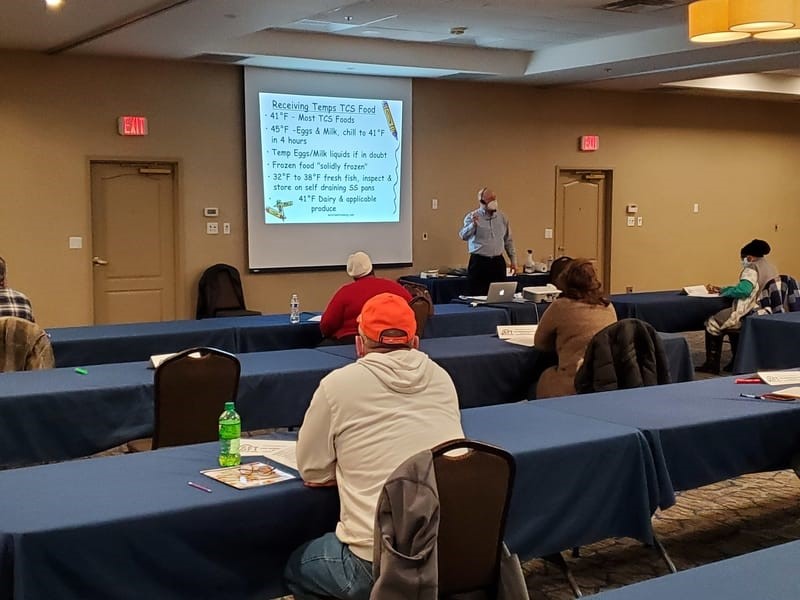
After a long hiatus from in-person Minnesota certified food protection manager training, we at Safe Food Training are excited to return to the classroom and once again offer our top-rated in-person classes. Where you can participate in discussions with an industry expert and your fellow food-industry professionals. Unfortunately, classes won’t look the same as they have in the past, so prospective students need to be aware of some changes and precautions that we’re currently taking.

MN Certified Food Protection Manager Training During COVID-19 Restrictions
Image credit: Street Level Solutions

In-Person MN CFPM Training Protocols

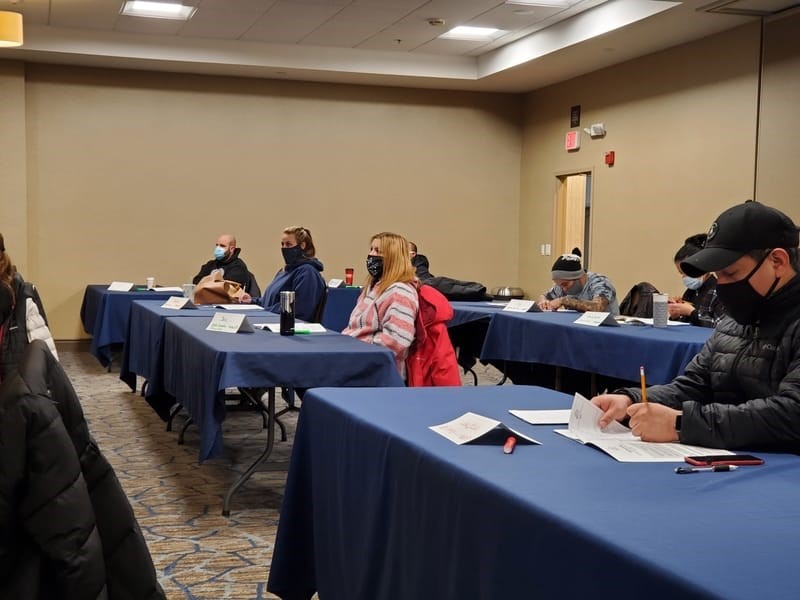
Thanks to the gradual turning of the dials in the StaySafeMN guidance, we can now welcome food safety managers back into the classroom, but with certain restrictions. Classroom training sessions must:

  • Reduce seating capacity
  • Enforce mask-wearing
  • Operate with social distancing protocols

Due to reduced seating and social distancing protocols, we cannot train as many certified food managers per session as we once were allowed. This means that students seeking in-person training need to be proactive when it comes to registering for a class. Delaying your registration may force you to push training to a later date or utilize online food protection manager training in order to meet certification deadlines.

New Changes To Scheduling MN Certified Food Protection Manager Training During COVID-19 Restrictions
Image credit: Street Level Solutions

Reduced class sizes and limited registration can quickly become an issue for larger food businesses or restaurants with multiple locations that need to train more than one certified food protection manager for better food safety coverage. Even if your food service business doesn’t require multiple CFPMs, you may have a stellar staff member with management potential that you’d like to develop. With so much competition for limited seats, a delay could result in a lack of training for these types of key individuals.

Many students also thrive in a classroom environment but struggle with online sessions. With the nearly yearlong absence of instructor lead classes, some of these students may be long overdue for training or a refresher course.

If you’re ready for a return to the classroom for Minnesota certified food protection manager training, make sure you schedule your training soon to guarantee you a seat that best fits your availability.

Should Certified Food Protection Managers Worry About COVID-19 In Food?

Certified Food Protection Managers COVID-19 in Food

The science behind understanding how COVID-19 spreads is ever-evolving and even though we don’t know everything about this virus, we have a general picture of how to prevent its spread. We’ve been told that masks, social distancing and avoiding large gatherings can slow the spread, but should Certified Food Protection Managers be doing anything to prevent the spread of the COVID-19 through the food we produce in restaurants and other food production businesses?

Certified Food Protection Managers Worry About COVID-19 In Food
Image credit: pickpik.com

Certified Food Protection Managers and COVID-19 Spread Via Food

In the early days of the pandemic, researchers had suggested that the risk of transmission through food was small, and a more recent study completed by the International Commission for Microbiological Specification for Foods seems to finally give us some good news on the COVID-19 front by claiming that there may not be a food safety hazard when it comes to the Coronavirus.

These findings are great news for certified food protection managers. As restaurants reopen, they now have the added responsibility of enforcing local health guidelines on top of their other duties, so it takes some pressure off knowing there’s very little chance of the spread of COVID through their food product.

The ICMSF’s study shows that since food enters the human body through the gastrointestinal tract, COVID-19 shouldn’t be considered a food safety hazard since the coronavirus’ method of infection involves contaminated air entering the lungs. According to the study, there has been no substantial evidence of cases of COVID-19 that can be traced back to food. The current theory is that traces of COVID-19 on food and food packaging will lose viability over time and even if the virus were to be consumed with food, it would be destroyed in the digestive process before reaching the bloodstream.

These findings don’t mean CFPMs can relax when it comes to food safety in the kitchen or coronavirus prevention measures. We should still be vigilant in keeping our food safe from all pathogens and providing a healthy dining environment for our guests.

Are you concerned that food may contain a hidden COVID-19 risk?

Creating An Easy “Stay Safe MN” Preparedness Plan For Food Managers

food managers creating stay safe mn preparedness plan

Towards the end of July, Governor Walz updated and released a new COVID-19 preparedness template that business owners are required to complete according to current reopening regulations. We know every business varies, so we’d like to take a closer look at what this Stay Safe MN preparedness plan means for food managers who run restaurants and other food-related businesses.

Stay Safe MN Preparedness Plan For Food Managers
Image credit: Wavebreak Media Ltd via 123rf

How Minnesota Food Managers Should Build their COVID-19 “Stay Safe MN” Preparedness Plan

While we’ve already covered quite a number of the procedures required in the Stay Safe MN plan, it’s important to have your entire plan outlined in one single document for a couple of reasons. First, it’s required as part of Governor Walz’s guidance for reopening, but beyond that, safe reopening plans can tend to be convoluted, so it’s vital to have all of your facilities procedures in one easily accessible document. This will aid in training, enforcement and providing up-to-date information to guests and employees alike.

The benefit of having an official template is that you don’t have to take the time to create one yourself, and you don’t have to worry about overlooking certain protocols. Let’s take a quick look at some of the protocols Minnesota food managers are required to have outlined to stay compliant with Stay Safe MN:

It may seem like a mighty list and a daunting task, but filling out this template is a must for every business. The good news is that the template is fairly easy to follow, and it goes a long way towards tracking your adherence to current reopening procedures.

Have you filled out your COVID-19 reopening plan yet?