How Food Managers Can Find Space for Outdoor Seating During COVID-19

Food Managers Space for Outdoor Seating

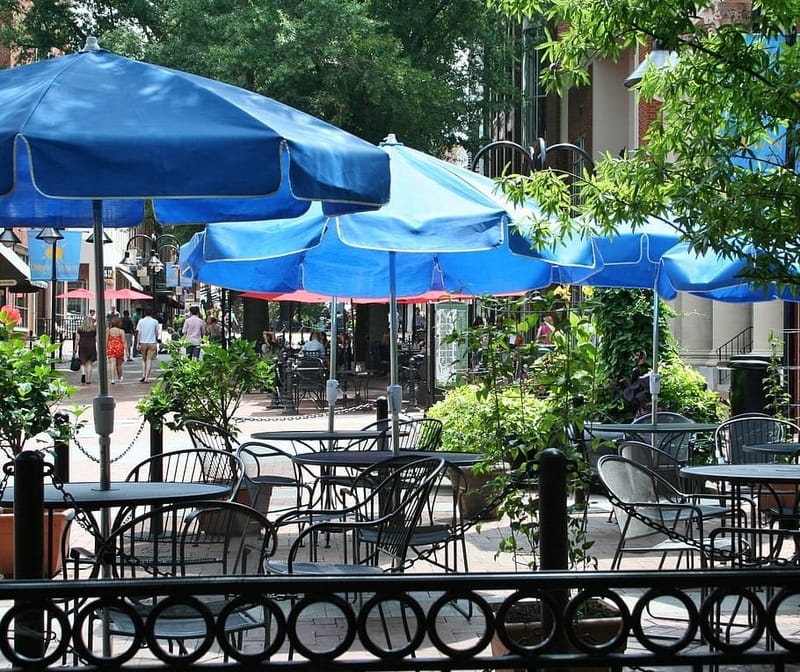
June 1st signified the date in which restaurants, cafes and bars could begin seating customers, but with one catch. All seating must take place outdoors, and all tables must be at least six feet apart. While some larger restaurants may already have patio seating that accommodates these rules, what can food managers do if they don’t already have a patio or designated outdoor eating space?
How Food Managers Can Find Space for Outdoor Seating During COVID-19
Image credit: Pxfuel

Outdoor Dining Seating Tips for Minnesota Food Managers

The unfortunate part of this regulation is that it puts food managers at smaller restaurants at a disadvantage, since they simply may not have the space to set up outdoor seating, but you may have a few options.

  • Utilize parking spaces
  • Request permission to use sidewalks or alley spaces

If your restaurant has a parking lot, even a small one, you may be able to convert part of it into an outdoor dining area. Since you’re currently required to limit seating to the outdoors, your parking lot won’t be used to its full capacity. Try setting up portable pavilions, roping off sections of tables or getting creative with your seating layout. Keep in mind, under current rules all tables must be at least six feet apart and no more than fifty people, staff and guests can be on the premises at one time.

What can food managers in Minnesota do if they don’t have a parking area to utilize for outdoor seating? Well, this is when it comes time to get a little creative. There are different sidewalk rules in different jurisdictions, but you may wish to consider working with the local authorities to create dining space on the sidewalk in front of your establishment. This may only be one or two tables, but it could be a start to tiding guests over until they are able to once again dine indoors.

How is your restaurant dealing with the new outdoor dining rule as we begin to reopen for business?

Certified Food Protection Manager’s Guide to Stay Safe MN Phase 3

Certified Food Protection Manager Stay Safe MN

Starting June 10, Minnesota restaurants are approved to begin allowing guests inside their dining rooms as part of phase three of the governor’s Stay Safe MN plan. As we turn the safety dial another step towards a full reopening, let’s take a quick look at how these new Stay Safe MN rules will affect local certified food protection managers.

Certified Food Protection Manager's Guide to Stay Safe MN Phase 3

Certified Food Protection Managers and Phase Three of the Stay Safe MN Plan for Restaurants

In phase two, eateries were allowed to open, but only for outdoor seating and take-out. Under phase three, we can once again allow guests into our dining rooms with the following stipulations:

  • Reservations Required
  • 50-Percent Occupancy
  • Social Distancing Enforced
  • Employees Must Wear Masks

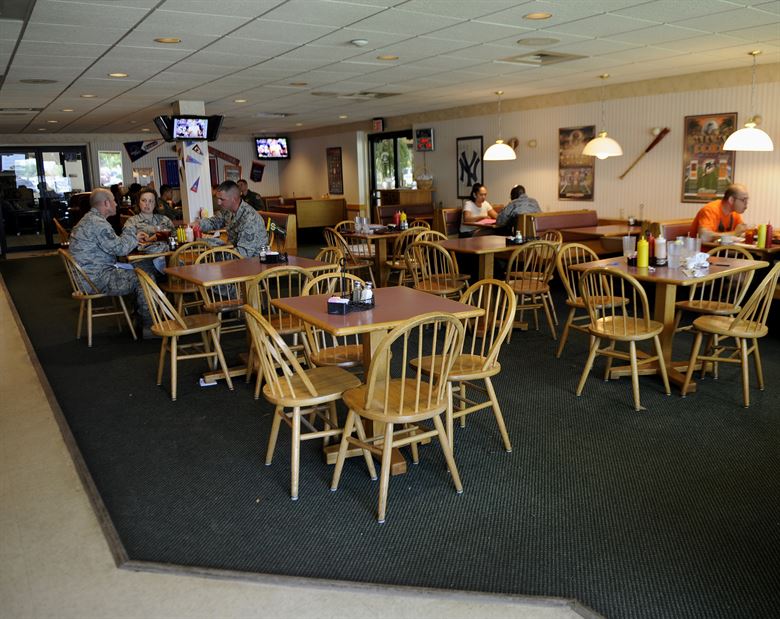
Many of the Stay Safe MN rules regarding food service staff in phase two still apply during phase three. Employees are required to wear masks and encourage guests to wear them when not eating. Tables must be social distanced. This can be achieved by removing tables from the dining room floor in order to create at least a six-foot buffer zone between tables. If you have the ability, it may be advised to stretch that buffer to allow guests to move to and from the bathroom and exits without coming into contact with other guests.

Reservations will also still be required. This helps prevent wait times where unrelated guests may be forced to mingle in waiting areas where social distancing may not be possible. We recommend spacing out your reservation times to allow guests plenty of time to enjoy their meal without being rushed in order for your establishment to cover the next reservation.

The biggest new regulation is that your establishment must operate at 50-percent capacity or under. Remember, this includes staff so certified food protection managers must take that into account when taking reservations during Stay Safe MN Phase 3. Tables should still seat only four guests unless they are from the same household, then a reservation can be taken for up to six diners.

Are you ready to entertain guests under phase three guidelines?

Certified Food Managers and Social Distancing in Eateries

certified food managers spacing tables for social distancing

As we prepare for the future of restaurant service, it’s important to look ahead to some new protocols that food managers may be required to utilize as Minnesota restaurants and cafes prepare to reopen their doors for in-house service. There is some speculation that Minnesota restaurants will have to follow some sort of social distancing in order to reduce the risk of a second COVID-19 outbreak. We’ve taken a look at what some other states are doing and have some tips for certified food managers on social distancing once business resumes.

Food managers preparing for social distancing in eateries

How can Certified Food Managers Enact Social Distancing?

It’s been put forth by health officials that people should maintain a space of at least six feet apart while in public, but how would this look in restaurants?

The first thing that becomes apparent is that restaurants, cafes and other sit-down eateries will have to reduce their maximum capacity, at least at first. Multi-sectioned restaurants can achieve this by opening up the entire dining floor, even on days when business wouldn’t normally warrant having multiple seating sections. This can provide adequate space for guests with tables being more than six feet apart. Food establishments with small dining areas may not be able to seat in multiple sections, but certified food managers should rearrange dining space to ensure tables meet future social distancing protocols.

There will be times when social distancing won’t be an option, such as in cafes where the register is next to baristas. In this case, you may wish to install a shield or a sneeze guard that is hung in a way where there are no openings at mouth level. Leaving a small space between the counter and the start of the shield will allow payment and wrapped baked goods to be passed back and forth.

What about service staff? It’s impossible for orders to be taken and food delivered from six feet away. This is a scenario where a tabletop ordering system could help promote social distancing. If guests can place and pay for their order remotely, then this greatly reduces interaction between server and guest. Food will still need to be brought to the table, and at this point we can only assume certified food managers will require staff to wear masks and gloves for kitchen-to-table delivery and situations where servers must take an order in person.

Do you have plans for potential social distancing regulations once your restaurant reopens?

Certified Food Managers Can Donate Excess Food During the Covid-19 Slowdown

Certified-Food-Managers-Donate-Food-During-Covid-19

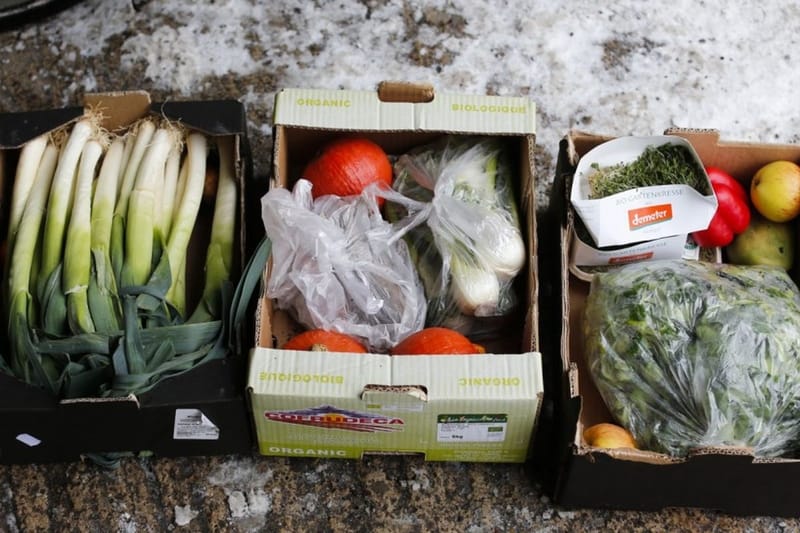
Now that restaurants, bars and other food producers have been asked to close dining rooms and only offer takeout and delivery, certified food managers are finding that they are not using as much inventory as they once had. What can local businesses do to prevent excess produce, meat and other ingredients in their refrigerators from going to waste? The Minnesota Department of Health has suggested that restaurants and food businesses can donate excess product to charities and programs that provide meals to those in need. So how do certified food managers get in touch with these programs to donate food during the COVID-19 outbreak?

Certified-Food-Managers-Donate-Food-During-Covid-19

How Certified Food Managers Can Help by Donating Food during the COVID-19 Crisis

Donations can not only be a great way to reduce your waste during this time, but also give back to your community. Potential guests will see your willingness to sacrifice during hard times and may order from your establishment once they see your charitable nature.

Beyond raw ingredients, there are a few organizations look for prepared meals whether packaged for reheating or hot and ready to go. Charities such as Hunger Solutions have begun compiling maps of businesses providing free meals for children who would normally rely on schools for breakfast, lunch and sometimes dinner. Besides Hunger Solutions, there are also many other local organizations looking for help from restaurants, too many for us to specifically name here. The Department of Health has provided a list of contacts to help certified food managers find charities in their area who are looking for increased donations during the COVID-19 slowdown.

If you’re considering donating product, meals or even kitchen space, here are a few links to get you started:

Have you considered joining other certified food managers who donate food, labor or kitchen space during the COVID-19 shutdown?