How MN Certified Food Managers Deal with a Rising Minimum Wage

MN Certified Food Managers Minimum wage

How MN Certified Food Managers Deal with a Rising Minimum Wage Later this year, the minimum wage in Minnesota is going up to 10 dollars an hour for high-grossing businesses and 8.15 for businesses that bring in less than $500,000 annually, and the minimum wage in Minneapolis is set to rise to 11.75 for small businesses and 12.25 an hour for businesses with over 100 employees. The majority of our local restaurants and food producers tend to be smaller, one-outlet operations, so they may have to adjust more than larger corporations. Just how will rising minimum wage affect the food industry, and is there anything MN certified food managers can do about it? How MN Certified Food Managers Deal with a Rising Minimum Wage

MN Certified Food Managers Minimum wage
Image credit: Sergey Nivens via 123rf

The New Minimum Wage and MN Certified Food Managers

If you’ve ever calculated food and labor cost, you know the profit margin in the food industry is already razor-thin, in some cases as low as pennies on the gross dollar. Under the circumstances, how is it possible for MN certified food managers to retain the same amount of staff yet still continue to make a profit?

Some theorize that with a rising minimum wage, the general populace will have more money to spend on luxuries such as eating out. If this theory holds true, then many restaurants could see extra revenue due to increased business or have the option of raising their prices. While it would take time to see if this theory holds out, it will be interesting to monitor if Minnesota restaurants will see an uptick in business due to the higher minimum wage rate.

Restaurateurs in areas with a higher than average minimum wage have suggested implementing a tip credit as an option for offsetting labor costs. A tip credit essentially involves a lower hourly wage than the minimum for workers who receive tips as a portion of their income. If their tips don’t raise their income per hour to equal or exceed Minnesota’s minimum wage, their employer would be required to compensate them to ensure they made the state-required wage per hour for their shift.

Finally, many larger restaurants see automation as a way to control labor costs. Using touchscreen kiosks or screens at individual tables allows them to reduce labor by cutting jobs. As technology becomes more advanced and cheaper to acquire, we may see some form of automation trickle down to lower-volume businesses. We don’t see this as an ideal solution, as we feel a thriving food industry should involve human staff wherever possible.
Why do ServSafe Food Managers Set Freezers to Zero Degrees?

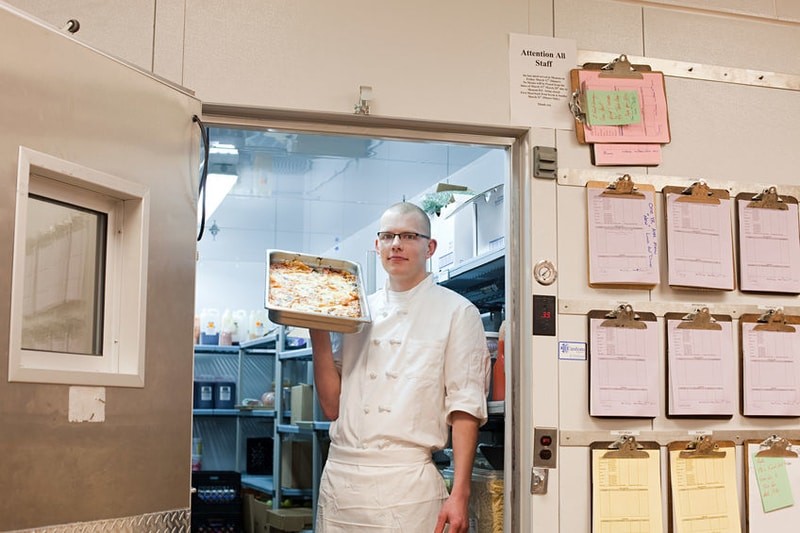
Food Manager in Walkin Freezer

According to the Minnesota Food Code, all frozen food must remain frozen until ready to use and the USDA recommends setting freezers to zero degrees Fahrenheit. This got us wondering; why zero? Is zero a scientifically determined number, or is it in the correct temperature range and just happens to be a good round number? Will two degrees work just as well? Or maybe -12.5? This week we’ll take a good look at freezer temperatures and how zero degrees became the standard for ServSafe Food Managers.

Food manager in walk-in freezer
Image credit: 123rf

ServSafe Food Managers and Freezer Temperatures

The history of the standard of zero degrees goes back to the 1930s when the American Fruit and Vegetable Coalition advocated zero degree temperatures because it was, in fact, a round number. Prior to this, freezing recommendations had been set at 14 degrees Fahrenheit. Science didn’t even come into the conversation until much later.

According to the laws of thermodynamics and the use of a mathematical logarithm known as the Van’t-Hoff equation, scientists much smarter than us were able to show that there is a uniform lowering of the velocity of chemical reactions in any substance as temperatures decrease. To break it down in terms those of us without PhDs in chemistry and physics can understand, once the temperature reaches zero degrees, the molecules and atoms in frozen product slow to the point where there is little perceptible movement. This means that bacteria cease to grow and there is very little loss of nutrition in foods frozen below zero degrees. Using this method, it has been determined that the ideal range of freezer temperatures is between zero and -22 degrees Fahrenheit.

So now that we know why ServSafe food manager training tells us to keep freezers at zero degrees, why don’t we go further and freeze product closer to the low end of the range?

First, while bacteria are held at bay indefinitely, that doesn’t mean that there isn’t a risk of freezer burn. Freezer burnt product may still be safe to eat from a food safety standpoint, but it sure isn’t pleasant from a taste and texture standpoint. Long exposure to extremely low temperatures will keep your food safe to eat but will tarnish its quality.

Finally, it’s unwise from an efficiency and energy use standpoint. Keeping your freezer at the upper end of the freezing range and closer to zero degrees will use a lot less electricity and keep utility costs down.

As a ServSafe food manager, what temperature do you set your freezer?

Online Food Training for Special Food Preparation Processes

Food-Preparation-Processes

Sometimes there are food preparation processes that are not covered by online food training or specifically detailed under Minnesota food code regulations. So what should a food safety manager do if they cannot find a specific guideline for their unique food preparation technique?

Food-Preparation-Processes
Curing sausage Image Credit: MaxPixel

Unique Food Preparation Processes

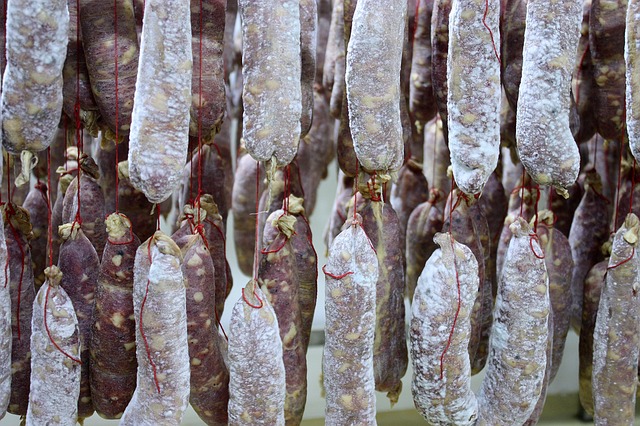
If you have a food preparation process that you’re unsure about or cannot find any rule that addresses your situation, you may be required to obtain a variance from your local health inspector. There are too many cooking and storing processes to name in one article, but some situations that may require a variance include:

  • Smoking or Curing
  • Sprouting Seeds or Beans
  • Preserving
  • Custom Animal Processing
  • Reduced Oxygen Packaging

These five items are just examples of food preparation techniques that may require a variance from the health department. If your methods are not covered under the health code, or if you’re unsure, we advise you to contact your local health department.

Using the health department as a resource in situations of uncertainty helps keep the food you serve safe. Online food training and thumbing through the food code is a great start, but it’s best not to proceed until you ensure that your process produces safe to eat foods.

Obtaining a variance from the department of health is not as complicated as you may think. A local health inspector will need to come to your facility and observe your food preparation method. This is a great opportunity to discuss your cooking methods and potentially learn safer ways to prepare your food under these special circumstances. During the health inspector’s observation, they will let you know whether or not they approve of your methods. If they decide not to grant your procedure a variance, ask questions and seek advice from these professionals on how to prepare these items safely.

Do you have a cooking procedure/food preparation processes that does not seem to fall under standard health code rules?

Minnesota Food Code Changes for Warewashing Water Temperature

warewashing water temperature

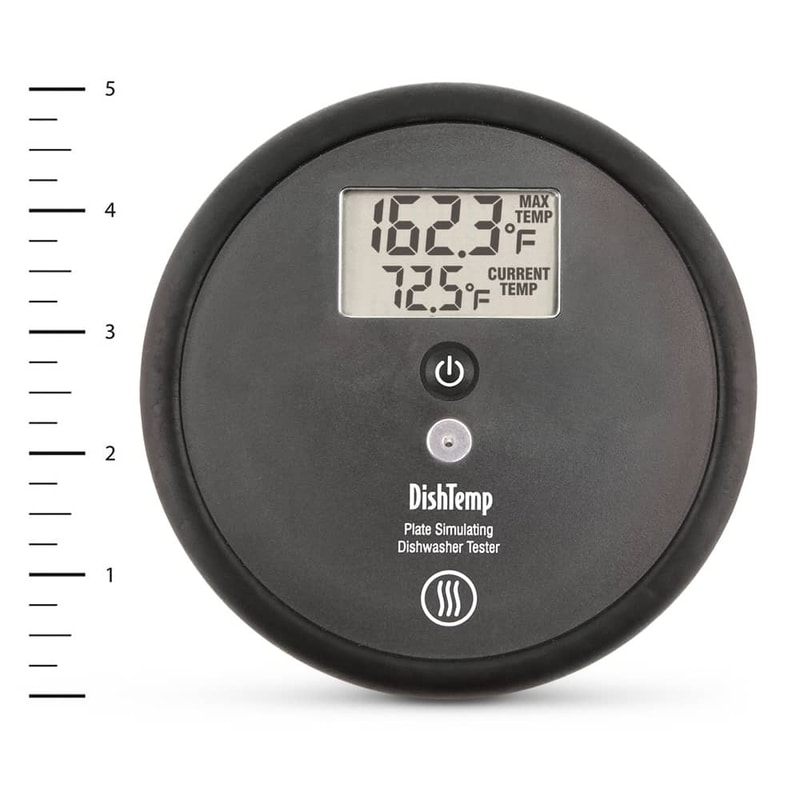
Dishwashing machines are a vital part of any food service operation, but they also present a potential food safety hazard if not maintained properly. One key part of any dishwashing machines ability to sanitize plateware, silverware and cooking utensils is having hot water available, and with new changes coming to the Minnesota food code, you’ll soon be required to take specific steps to monitor the warewashing water temperature in your dishwashing machine.

warewashing water temperature
Image Credit: ThermoWorks

Proposed Minnesota Food Code Compatible Warewashing Water Temperature Measuring Options

We learn in online ServSafe courses that the hot water temperature in your dishwashing machine must reach temperatures greater than 160 degrees for proper sanitation. Many types of devices exist that can ensure that food contact surfaces reach the proper temperature:

  • Single-Use Temperature-Sensitive Stickers
  • Temperature-Sensitive Labels and Test Strips
  • Reusable Waterproof Thermometers

Temperature-sensitive stickers and labels are color changing devices that can only be used one time. There are advantages and disadvantages to using stickers and labels. The cost of a box of these temperature-sensitive devices is much cheaper than a thermometer designed for measuring your dishwashing machine’s water temperature. Accuracy of these labels can be called into question as they do not give you a reading to the exact degree. While they do change color based on water temperature, they only give you a range of temperature rather than an exact reading. A word of warning about stickers and labels; they come in many different temperature ranges, so make sure you purchase a product that reads temperatures of at least 160 degrees.

We recommend a reusable Min-Max registering digital thermometer designed for warewashing. While the initial cost of these is much more expensive, over time you may find the long term cost of buying box after box after box of test strips might be more expensive. These thermometers can be accurate to the tenth or hundredth of a degree, and come in numerous styles, some that are even shaped like a small plate that will fit conveniently on your dishwashing rack. They are easy to read, easy to use and give you a much better idea of exactly how your dishwashing machine is performing.

Making sure that your warewashing temperature is high enough to kill pathogens will eliminate one sensitive area in your facility. We’d like to know which type of temperature monitoring device you find the most convenient.