The Hidden Mental and Physical Costs of Being a Certified Food Manager

Costs of Being a Certified Food Manager

TV networks and reality shows tend to glamorize the life of the professional chef. One thing they don’t show is the toll that years of working in hot, stressful environments inflicts on hard-working professionals. We recently came across an article out of Canada that explores some of these issues, and we’d like to take a look at some of them this week.

Costs of Being a Certified Food Manager
Copyright: bruno135 / 123RF Stock Photo

The Toll the Industry Takes on Certified Food Managers

While talking to Certified Food Managers at busy and successful restaurants, we’ve heard kitchen service compared to any other job where deadlines exist, except that you only have 15 minutes to meet each deadline, you have a hundred of them in a single shift, it’s 103 degrees, you have hungover, foul-mouthed coworkers wielding scalding pans and razor sharp knives, and you have to repeat the process five or six days a week.

This scenario results in high levels of anxiety among food service professionals, and those levels tend to rise with responsibility. Executive chefs and food service supervisors are commonly known to put in more than sixty hours a week at their establishments. This can cause a mental breakdown when you combine shear exhaustion and the stress that comes from their position. As a certified food manager, it’s important to recognize the symptoms of stress and anxiety and take care of yourself before the environment leads to serious physical and mental health issues.

Another interesting issue brought up is that restaurant workers have easy access to alcohol, and the nature of their work puts them in an environment with other young adults who commonly seek a seat at the bar after hours. The author of this article goes on to suggest that with over half of restaurant workers being under the age of 35, many do not have the family commitments older professionals do, and the easy access to a few drinks after work can lead to alcohol and drug abuse problems.

While a chef is not a nanny or a parent to their staff, they can still do something to ease the stress and prevent problems from arising. The first thing is to recognize issues before they get out of hand. A food service manager should do their best to mentor the young people on their staff.

What are some of the unique issues that are important to you as a food industry professional?

The Horrors of Allergens and the MN Certified Food Manager

The Horrors of Allergens and the MN Certified Food Manager

The MN certified food manager’s biggest Halloween nightmare isn’t the monster under the bed or the boogieman hiding in the closet, it’s seeing a young guest sickened by contact with an allergen such as peanuts. On Halloween, many food-service outlets pass out treats to costumed children as trick-or-treating moves to popular business centers and local shops.

The Horrors of Allergens and the MN Certified Food Manager
Photo Credit: Josh Hallett via Flickr

Preventing Allergic Reaction to Peanuts During Halloween Events

If you plan on handing out candy, a couple of steps will prevent any possibility of serving peanuts to children with allergies. Do some research and find candies that come from facilities where no peanuts are processed. This may take a little time, but it will be worth it to prevent even one accidental allergy attack.

Peanuts are not the only issue to worry about. Many children cannot consume wheat, dairy or soy. Numerous candy manufacturers produce products without these ingredients. Having an alternate supply of candy for these children will result in happy super heroes, ghosts and princesses this October 31st.

Finally, make sure that all candy you pass out is factory sealed. We know you love the opportunity to show off what your restaurant can do, but many families will only take factory sealed candies and treats. Serving factory sealed treats prevents any possible cross contamination that can occur after costumed guests have collected their bounty from your establishment. If you’re looking for an opportunity to gain guests from this event, consider handing out coupons or menus with candy rather than attempt to entice families in with freshly prepared treats.

Do you do anything special for your guests and trick-or-treaters to celebrate the fall holidays?

Food Safety Month and the Certified Food Manager

Food Safety Month and the Certified Food Manager

Every Certified food manager focuses on keeping the food they serve safe all year long, but the month of September has been set aside as National Food Safety Month in an effort to promote food safety beyond the walls of professional food service outlets. Since we aim to reduce the risk of food-borne illness, we fully support this idea of bringing attention to food safety and passing on the knowledge of our online food certification classes to those not in the food service industry.

Food Safety Month and the Certified Food Manager

How the Certified Food Manager Can Promote Food Safety to Patrons

Standards are already in place to teach your restaurant goers some safe food handling procedures. The current food code requires that you alert your guests to the dangers of consuming undercooked meat and eggs. This warning should exist somewhere on your menu if you serve dishes with these ingredients. But is there more that certified food managers can do to promote food safety outside of their establishments?

Most patrons don’t expect an exposé on bacteria or the side-effects of consuming tainted food before they eat, but there are simpler food-safety procedures that are easy to pass on to your guests, the easiest being the concept of proper handwashing.

We’re not suggesting that your host or server gives each customer a lecture about how to wash their hands before eating, there are subtler ways to get your diners in the habit of washing before they eat. If your staff simply lets each party know where your washroom is located, that should put the idea in your guests’ heads that they may wish to wash their hands.

Once in the washroom, a procedure chart for proper handwashing should be placed in a visible location. Make sure your chart states how effective handwashing prevents the spread of food-borne illness and how to properly wash after using the restroom.

Other ways to promote food-safety among your guests could be to have a list of the sanitation procedures that occur at each table visible somewhere in the dining room. This shows your customers the importance of cleaning eating areas regularly, and they might bring those habits home with them.

Certified food managers focus on keeping the food they serve safe all year long, but the month of September has been set aside as National Food Safety Month in an effort to promote food safety beyond the walls of professional food service outlets. Since we aim to reduce the risk of food-borne illness, we fully support this idea of bringing attention to food safety and passing on the knowledge of our online food certification classes to those not in the food service industry.

How the Certified Food Manager Can Promote Safe Food Safety to Patrons

Standards are already in place to teach your restaurant goers some safe food handling procedures. The current food code requires that you alert your guests to the dangers of consuming undercooked meat and eggs. This warning should exist somewhere on your menu if you serve dishes with these ingredients. But is there more that certified food managers can do to promote food safety outside of their establishments?

Most patrons don’t expect an exposé on bacteria or the side-effects of consuming tainted food before they eat, but there are simpler food-safety procedures that are easy to pass on to your guests, the easiest being the concept of proper handwashing.

We’re not suggesting that your host or server gives each customer a lecture about how to wash their hands before eating, there are subtler ways to get your diners in the habit of washing before they eat. If your staff simply lets each party know where your washroom is located, that should put the idea in your guests’ heads that they may wish to wash their hands.

Once in the washroom, a procedure chart for proper handwashing should be placed in a visible location. Make sure your chart states how effective handwashing prevents the spread of food-borne illness and how to properly wash after using the restroom.

Other ways to promote food-safety among your guests could be to have a list of the sanitation procedures that occur at each table visible somewhere in the dining room. This shows your customers the importance of cleaning eating areas regularly, and they might bring those habits home with them.

Does your establishment do anything special to enlighten your visitors on the importance of safe food handling practices?

Cat Cafes and Minnesota Food Safety Certifications

Cat Cafe and Minnesota Food Safety Certifications

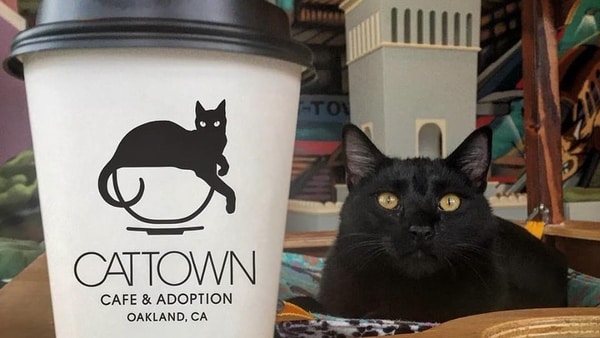
Originating in Japan, cat cafes are now beginning to make their way to the United States and gain in popularity. For those unfamiliar with the concept, a cat cafe offers the opportunity to grab a beverage and a snack while playing with frisky and friendly felines. Some cafes double as adoption centers or as non-profits to raise money for animal related charities. Whenever you mix live animals and food service, the looming issue becomes what Minnesota food safety certifications are required and how do you serve food safely in a restaurant full of cats.

Cat Cafe and Minnesota Food Safety Certifications
Photo credit: Headlines for the Hopeful via Vimeo

Food Safety Regulations for Cat Cafes

No cat cafe currently operates in Minnesota, but local entrepreneurs plan to open one in Minneapolis by the end of the year, and if it’s a success more are sure to follow.

Cats have a mind of their own, and they don’t care what food safety regulations say, they’re going to do whatever they want and go wherever they wish. A few ideas come to mind to help prevent animals from contaminating food in these establishments.

  • Separate food preparation from animals
  • Provide one area designated for eating and one for interacting with kittens
  • Serve prepackaged items and beverages that do not require on-site preparation
  • Have hand-washing sinks or sanitizer stations readily available for guests

When we talk about separating food preparation areas from animals, we mean that there should be no chance that a cat could have access to prep stations or food. This problem could be solved by having one area for food, and a completely separated space for interaction with cute, fuzzy creatures.

Another solution can simply be to serve bagged items such as chips and snacks as well as beverages in cans, bottles or cups enclosed with lids. This greatly reduces the risk of cat dander or other pet related contaminates from mixing with food.

With this craze in its infancy in the U.S., only time will tell what health risks these attractions pose and what food safety certifications and regulations will have to be followed. How do you feel about the idea of a cat cafe?