How can Food Safety Managers Identify Approved Food Product Sources?

Food Safety Managers Identify Approved Food Product Sources

Finding suppliers with high-quality ingredients is the first step in keeping your guests safe from foodborne illnesses. In fact, it’s such an important stage in the foodborne illness prevention process, that the Minnesota food code has outlined rules defining exactly what approved food sources look like. The code outlines a few different rules based on the type of ingredient you’re bringing in to your establishment, so let’s take a closer look at how food safety managers can identify approved food sources in the state of Minnesota.

Food Safety Managers Identify Approved Food Product Sources
Image credit: Nick Saltmarsh via flickr

A Breakdown of Approved Product Sources for Food Safety Managers

Food safety managers should source their inventory from approved commercial sources under the jurisdiction of some sort of regulatory control. These sources generally fall into three categories:

  • Local, regional or international growers
  • Food manufacturing plants
  • Food distributors

Most restaurants and other eating establishments use nationally or regionally recognized distributors. As a food safety manager, you can be fairly confident that these distribution services are relying on regulated suppliers to fill their warehouses. However, some confusion can come into play when purchasing ingredients from smaller providers. If you’re dealing with suppliers directly rather than using a major distributor, how can you tell if it’s an approved source?

The Minnesota food code outlines a few special requirements for specific scenarios to be used by food safety managers.

  • Milk products must meet Grade A pasteurized standards.
  • Meat, poultry and game animals must pass USDA or Minnesota Department of Agriculture inspection.
  • Shell eggs must be clean, intact and meet grade B or better standards.
  • Liquid, frozen, dry or other egg products must be pasteurized.
  • Canned or bag sealed product must come from a licensed vendor
  • Molluscan shellfish must originate from a source on the Interstate Certified Shellfish List.
  • Wild mushrooms can only be sourced from a forager who has completed an approved mushroom identification course.

This may seem like a lot of different rules to follow, but with some common sense food safety managers should be able to source any ingredient from an appropriate source. If you’re buying wild game out of the back of a pickup truck, purchasing fish from hobbyist fishermen or sourcing wild mushrooms out of the trunk of a car in a back alley, you may not be getting your ingredients from an approved source.

Don’t be afraid to ask for proof of regulatory standards when purchasing products from smaller suppliers. Many of them will gladly share the appropriate certifications and in many cases make you aware of them on their order sheets or product guides.

Do you source all of your ingredients from approved sources?

Important Differences Between A Certified Food Protection Manager And A Person In Charge

Differences Between Certified Food Protection Manager and Person In Charge

Certified food protection managers play a very important role in keeping the Minnesota dining community safe from foodborne illness through food safety training, monitoring cooking procedures and ensuring the Minnesota food code is properly followed. Because this is such an important role, all establishments serving food are required to employ a certified food protection manager. The food code also outlines the rules for a designated person in charge (PIC). We’re sometimes asked if these two roles are the same, or if they are two completely separate management figures.

Important Differences Between A Certified Food Protection Manager And A Person In Charge
Image credit: AllaSerebrina via Depositphotos

The Differences between a Certified Food Protection Manager and a Designated Person in Charge

In order to understand the difference between a certified food protection manager and a designated PIC, we should take a close look at the two food code rules that address these positions. While every establishment is required to employ at least one CFPM, a PIC is required to be responsible for safe food handling practices “during all hours of operation.” If your establishment only has one certified food protection manager on staff, they would have to be on the clock every single second your business is open if they were also the designated person in charge. If your establishment is open more than 40 hours a week, you may want to make sure that there is plenty of hot coffee on hand for your CFPM if they are on the job for hundreds of hours a week.

Fortunately, your PIC doesn’t always have to be a certified food protection manager. While you should designate your CFPM as a person in charge when they’re on the clock, you should identify and schedule a qualified staff member as the PIC for shifts when the certified food protection manager is not in the building. Some likely candidates include:

  • Sous Chef
  • Lead Cook
  • Front-of-the-House Supervisor
  • Assistant Kitchen Manager

Your designated PIC doesn’t necessarily have to be a management figure, but they should be knowledgeable, willing to be responsible for monitoring food safety standards and be available should the local health inspector arrive for an inspection.

How do you designate your PIC?

Food Safety Guide to Proper Date Labeling

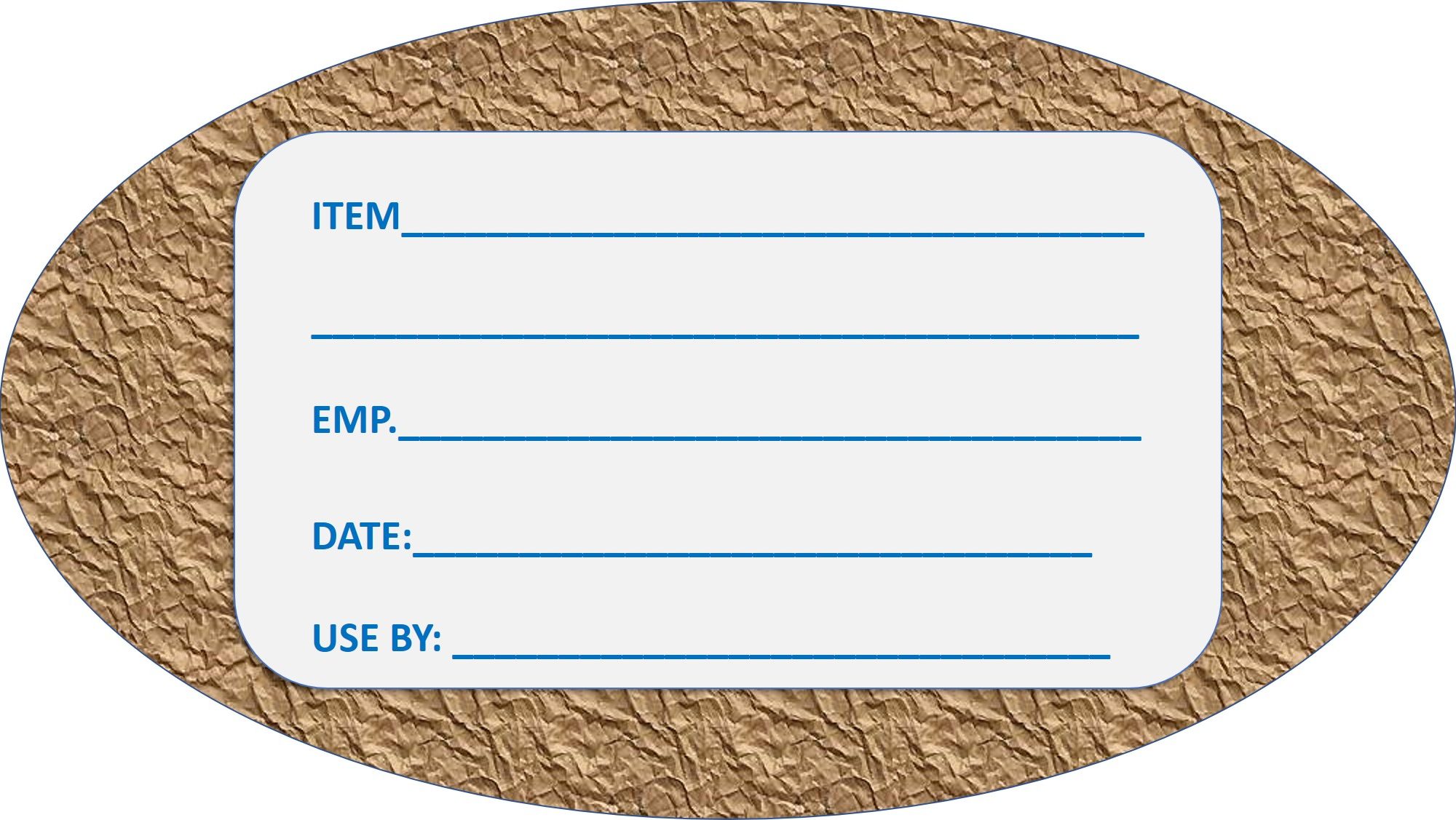
Food Safety Date Labeling Example

The Minnesota food code states that all ready-to-eat foods must be labeled and dated. When the topic is brought up in our food safety training sessions, many students often share their strategies and how they make sure their products are properly labeled. This week, we’d like to outline the rules for date labeling product and provide a quick online food safety resource on the topic.

Food Safety Date Labeling Example

Tips for Food Safety Date Labels

The first thing we need to discuss is what types of foods need to be labeled. According to the Minnesota food code guidelines, food products meeting all of the following criteria must be labeled and dated:

  • Ready-to-Eat Foods
  • Refrigerated Product
  • Prepared Food Stored for 24 Hours or More

If your product meets all three of these criteria, then they must be properly labeled with the date they were produced. When labeling your food, it’s important to note that there is a seven-day limit on refrigerated ready-to-eat foods, but that doesn’t mean that every ready-to-eat food will be safe to serve for a full seven days, so rely on your food safety training for signs your product may be unfit for consumption.

It’s important to note that the date your product gets labeled should be the date the first cooked ingredient was prepared. For example, if you have a chicken salad sandwich on your menu and you cook your chicken on a Tuesday but don’t mix it with the rest of the ingredients until Wednesday, then Tuesday’s date should be the date on your label.

The food code does a great job of specifically outlining the what and how long of labeling, but they give food managers flexibility when it comes to the how. This is where you need to take steps that will best fit the food safety training that you’ve provided your staff to define a date labeling system. Make sure that your date labeling system is consistent and easy to recognize. Here are a few examples of effective systems:

  • Colored day dots
  • Date and time tags
  • Day of the Week Stickers

All of these systems are acceptable within the rules of the food code, but remember all employees must be able to explain the system during any routine health inspection. Our advice would be to incorporate a system that displays the exact date food was prepared rather than a simple label with the day of the week. This gives you an exact reference to know if your product is within the seven day limit rather than just using a day-of-the-week marker. Who knows? That chicken salad may have been mixed two Tuesdays ago and forgotten.

Do you have a well-defined date labeling system to protect food safety in your establishment?

Minnesota Food Manager’s Guide to Labeling Retail Products

Minnesota Food Managers Guide to Labeling Retail Products

If you’re a Minnesota food manager who works at a facility that prepares ready-to-eat foods for retail sale or creates food items consumers will purchase and cook at home, you should be aware of the proper procedures for labeling your packaged products. The Minnesota food code has a few labeling requirements for prepackaged foods that must be adhered to.

Minnesota Food Managers Guide to Labeling Retail Products
Image credit: Flickr – Michael Steeber

Packaged Product Labeling for Minnesota Food Managers

Prepared foods packaged for retail sale require labels that alert purchasers of the contents inside the package. These labels are required to protect consumers and help them make nutrition judgments about the foods they consider purchasing. Some key elements you must print on your label include:

  • Identity or name of product
  • Net quantity of contents
  • Ingredient list
  • List of major food allergens
  • Name and address of producer
  • Nutritional information

All of these items must be clearly labeled. Your potential customers should understand exactly what it is they are buying, how much is included in the package and what ingredients are included in the food product. Not only are these details informative to the consumer, they’ll actually help you sell and market your product. If you can’t adequately identify the contents of your product, how’s the general public going to identify what they’re purchasing? Misleading or confusing labels may cause potential customers to choose a different product.

Beyond ingredients, you must clearly identify major allergens. This is a must. Not only must you list allergens in your product, you should do so in a clear manner where those afflicted with allergies will clearly see if there are any ingredients they cannot consume. We suggest listing allergens in your ingredient list as well as including a clearly visible second list of allergens and potential allergens your product may have come in contact with. The allergens that must be listed are:

  • Milk and dairy
  • Eggs
  • Fish
  • Shellfish
  • Tree nuts
  • Peanuts
  • Soy
  • Wheat and flour

Depending on the size of your business, you may also be required to post nutritional information on your label. Some products packaged by small businesses may be exempt. For more information on exemptions, check out the FDA guidelines for nutritional fact labeling exemptions.

Finally, food managers must include the name and address of your business on the labeling of packaged products. This not only helps customers recognize your brand name so they can purchase your product again, but it’s also required to identify the source of contamination in the event of a foodborne illness outbreak.

Are you a Minnesota food manager that specializes in retail sales? If so, what food safety topic would you like to see us pay closer attention to?