Food Manager Training During COVID-19 Stay At Home Executive Order

Food Manager Training During COVID-19

In an effort to combat the spread of COVID-19, the state of Minnesota has temporarily imposed a ban on groups of 10 or more from gathering in the same place. This has created a big disruption in many Minnesota residents’ personal and professional lives. Not only does this impact restaurants as far as allowing diners into their establishment, but it also causes a big problem for food service managers who had registered to attend certified food protection manager recertification classes and other food safety management courses during this time. Since classes obviously cannot be taught at this time, how can these managers get necessary food manager certification training during the COVID-19?
Food Manager Training During COVID-19
Image credit: Flickr

Solutions for Food Manager Training When Groups Are Limited By COVID-19

We’re fortunate to live in an age where technology can help spread information and keep people together. Since large gatherings are currently prohibited, ServSafe, NRFSP and other Minnesota recognized certified food manager courses must be taken online for the time being.

If you’re due for recertification or are looking for your first food manager certification, now might be the perfect time to register for an online food safety certification course. These courses meet all of the state’s guidelines for certified food protection managers.

Taking an online course is only the first step in certification, however. A supervised testing environment is still required for the examination itself. With groups of 10 or more currently being restricted, how is that possible? The simple answer is that at this time, examinations just can’t be taken, but we have some good news from the Department of Health in regards to exams and extensions.

As of March 17th, Minnesota will grant a six-month extension to food service managers whose certification expires between March 17th and April 30th. This will give ample time for these managers to complete their mandated four hours as well as take their renewal examinations.

Where does this leave those seeking first time certification? At this time, the best we can suggest is to take the online food safety training so that you’re ready to take your exam as soon they once again become available. If your business has suddenly lost its food safety manager, there is fortunately a 60 day window for you to certify a new one, and hopefully we’ll have weathered the storm and returned to normal before that time has passed.

If you were scheduled for an instructor lead food management course that was canceled, contact us if you need assistance registering for an online version of any food safety certification course.


Can Indoor Farms Ease Food Safety Fears Over Romaine?

Food Safety Indoor Farms Example

With several outbreaks involving romaine lettuce over the past several years, food safety professionals are concerned with the availability and sustainability of leaving this ingredient on their menu. While studies have been inconclusive as to why the last outbreak occurred, we’ve heard some local industry professionals talk about a potential alternative to sourcing romaine from areas that have shown to be high risk. Can indoor farms be the solution the food safety industry is looking for?

Food Safety Indoor Farms

How Food Safety Training in Indoor Farms Reduces Pathogen Risk

While food safety in the farming industry is a little outside of our training expertise, we’ve dealt with numerous food safety managers who have considered giving up on serving romaine due to its poor track record concerning foodborne illness. The concept of indoor farming seems to have the potential for easing those fears and greatly reducing the risk of spreading salmonella and E.coli to the general public via crispy, delicious Caesar salads and other fresh dishes involving romaine lettuce.

One of the unique things about indoor hydroponic and aeroponic lettuce farming is that there is very little chance of cross-contamination. These farms grow lettuce in a sterile environment away from livestock and potentially contaminated irrigation systems.

At the present time, however, there appear to be numerous challenges for restaurateurs and other food production facilities when it comes to sourcing lettuce grown indoors and away from potential contaminates. The hydroponic industry has plenty of potential for growth, especially when it comes to farmers looking for a low-pathogen risk way to grow product which traditionally grows in the dirt, but there are very few farmers who produce enough lettuce in this manner to make headway into the national supply chain. Hydroponic and aeroponic growers tend to be smaller and local, and may not produce as much product as large outdoor farms. During our research, however, we did find a few farms in our state that utilize this method, and the future looks promising.

Would you pay more for romaine lettuce if you knew it was grown in a MN indoor farm environment with minimal risk of pathogen contamination?

What Happens When A Business Must Replace Its Certified Food Manager?

Replace a certified food manager

Turnover is inevitable in nearly any industry, but with many food establishments running with smaller staffs, the loss of any team member can be more than a simple inconvenience. But how should you react if your restaurant or food production facility suddenly loses and must replace your certified food manager?

Replace a certified food manager
Image credit: Wavebreak Media Ltd via123RF

Replacing a Certified Food Manager

Whether your certified food manager turns in a two-week notice or is forced to leave without notice due to unforeseen circumstances, this loss hurts any food business. Not only are you losing your leader in the kitchen and the manager in charge of food safety training, but you’re also losing the one member on your staff whose position is required by the Minnesota food code.

So, what’s the rule in this situation? If your certified food manager leaves suddenly, can you still operate your business?

You can rest assured that it won’t be necessary to shutter your doors if you lose your certified food manager. The Minnesota food code allows for a 60 day period to find and hire another certified candidate for that position.

Just because you have 60 days to replace your Minnesota certified food manager, it doesn’t mean you shouldn’t make an effort to replace them right away. Interviewing, reference checks and certification training can take time, so make sure that you begin the hiring or promoting process as soon as you find out your current manager is moving on.

The best strategy for this scenario is to be prepared before it even happens. Your current food safety manager should be identifying and training employees with the potential to become a Minnesota food protection manager. It might even be prudent to have an assistant food safety manager take the certified food protection manager training course and exam. This would not only provide a back-up plan but give you an extra set of eyes keeping your production line free from food safety risks.

Do you have a contingency plan in the event of the loss of any key staff member?

Certified Food Managers Can Donate Excess Food During the Covid-19 Slowdown

Certified-Food-Managers-Donate-Food-During-Covid-19

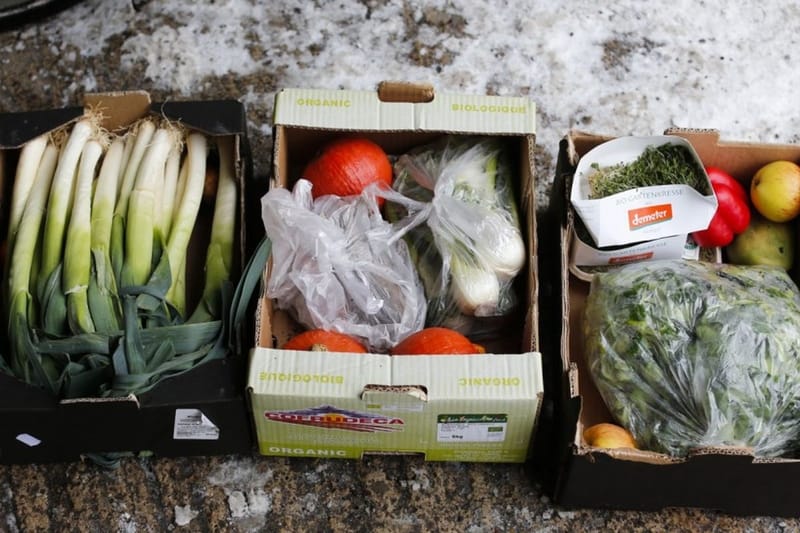
Now that restaurants, bars and other food producers have been asked to close dining rooms and only offer takeout and delivery, certified food managers are finding that they are not using as much inventory as they once had. What can local businesses do to prevent excess produce, meat and other ingredients in their refrigerators from going to waste? The Minnesota Department of Health has suggested that restaurants and food businesses can donate excess product to charities and programs that provide meals to those in need. So how do certified food managers get in touch with these programs to donate food during the COVID-19 outbreak?

Certified-Food-Managers-Donate-Food-During-Covid-19

How Certified Food Managers Can Help by Donating Food during the COVID-19 Crisis

Donations can not only be a great way to reduce your waste during this time, but also give back to your community. Potential guests will see your willingness to sacrifice during hard times and may order from your establishment once they see your charitable nature.

Beyond raw ingredients, there are a few organizations look for prepared meals whether packaged for reheating or hot and ready to go. Charities such as Hunger Solutions have begun compiling maps of businesses providing free meals for children who would normally rely on schools for breakfast, lunch and sometimes dinner. Besides Hunger Solutions, there are also many other local organizations looking for help from restaurants, too many for us to specifically name here. The Department of Health has provided a list of contacts to help certified food managers find charities in their area who are looking for increased donations during the COVID-19 slowdown.

If you’re considering donating product, meals or even kitchen space, here are a few links to get you started:

Have you considered joining other certified food managers who donate food, labor or kitchen space during the COVID-19 shutdown?