Answering Your Top ServSafe Questions All in One Place

Answering Your Top ServSafe Questions All in One Place

Preparing for your ServSafe certification? You’re not alone. Many food service professionals need to get their ServSafe questions answered to feel better about this certification from the National Restaurant Association.

The ServSafe certification is a crucial step in ensuring safe food handling practices in restaurants and other food service establishments. The exam covers critical topics such as foodborne illnesses, proper food storage temperatures, and personal hygiene practices.

Whether you’re wondering about exam format, study materials, or specific food safety protocols, we’ve got you covered. This guide will address the most common ServSafe questions to help you feel confident and prepared for your certification journey. Let’s dive into the key information you need to succeed in your food safety career.
Answering Your Top ServSafe Questions All in One Place

Who developed ServSafe?

This is one of the common ServSafe questions asked and often just out of curiosity. ServSafe was developed by the National Restaurant Association Educational Foundation. This program aims to provide comprehensive food safety training and certification for food service professionals.

The National Restaurant Association created ServSafe to address the growing need for standardized food safety education in the hospitality industry. Their goal was to reduce foodborne illnesses and improve overall food handling practices.

ServSafe offers various certifications, including the Food Handler and Manager certifications. These programs cover essential topics such as:

  • TCS Food safety
  • Preventing foodborne illness
  • Identifying common pathogens (e.g., Hepatitis A, Shigella spp)
  • Avoiding contamination and cross-contamination
  • Managing food allergens
  • Maintaining personal hygiene

The ServSafe curriculum is regularly updated to reflect the latest food safety research and industry best practices. It incorporates input from over 200 industry experts, including academics, operators, and trainers.

To obtain certification, you must pass an exam.

To prepare for your ServSafe exam, you can access practice tests and study guides. These resources can help you review important topics like food safety, personal hygiene, and proper cleaning and sanitizing procedures.

Remember, investing in your ServSafe certification is crucial for ensuring food safety in your workplace and advancing your career in the food service industry.

How hard is it to pass the ServSafe exam?

Of course, ServSafe questions about the exam are very common. The ServSafe exam is challenging but manageable with proper preparation. You have two hours to complete the test, which consists of multiple-choice questions covering various food safety topics.

To pass, you’ll need to achieve a score of 75% or higher. This means correctly answering at least 60 out of 80 questions on the ServSafe Manager Exam.

Preparing for the exam is crucial. Utilize study guides and practice tests to familiarize yourself with the content and question format. These resources can help you identify areas where you need more focus.

Key topics to master include:

  • Internal cooking temperatures for different foods
  • Proper receiving temperatures for deliveries
  • Time-temperature abuse prevention
  • Correct use of gloves and other personal protective equipment
  • Identifying and controlling pests like cockroaches

Remember, the exam questions may be worded differently, so read carefully. Answer based on the course material, even if it sometimes differs from common practices you’ve observed.

With thorough study and practice, you can confidently approach the ServSafe exam and succeed in obtaining your food safety certification.

How long does the ServSafe exam take?

The ServSafe Manager Exam typically takes 2 hours to complete. This 80-question test covers essential food safety topics like personal hygiene, cleaning and sanitizing, and internal cooking temperatures.

You’ll have ample time to answer all questions thoroughly. Some test-takers finish in as little as 15 minutes, while others use the full time allotted.

Is ServSafe the same as food handlers?

ServSafe and food handlers certifications are related but not identical. The food handlers certification is not required at this time in Minnesota.

What is a ServSafe Manager?

A ServSafe Manager is a food service professional who has completed specialized food safety training and passed the ServSafe Manager Certification Examination. This certification demonstrates your expertise in preventing foodborne illnesses and maintaining a safe food environment.

As a ServSafe Manager, you’re responsible for overseeing food safety practices in your establishment. Your duties include ensuring proper cleaning and sanitizing procedures, monitoring internal cooking temperatures, and maintaining appropriate receiving temperatures for food deliveries.

You’ll need to understand critical concepts such as:

To become certified, you must pass the ServSafe Manager Exam. The exam covers various topics, including foodborne illnesses, proper food storage, and sanitizing food-contact surfaces.

Preparing for the exam often involves using study guides and practice tests. These resources can help you familiarize yourself with the exam format and content, increasing your chances of achieving a passing score.

Does ServSafe expire?

ServSafe certifications are only accepted in Minnesota for 6 months for getting the state license although they don’t expire for 5 years. Make sure to do your paperwork within 6 months to get the MN Dept of Health credential.

The state license needs to be renewed every three years by taking an approved recertification course.

Key points to remember:

  • Keep your certification up-to-date to ensure compliance with local regulations
  • Stay informed about changes in food safety practices
  • Maintain your knowledge of critical areas such as personal hygiene, cleaning and sanitizing, and time-temperature control

By regularly renewing your ServSafe certification, you demonstrate your commitment to food safety and protect both your customers and your business.

Do i Need ServSafe and How long does ServSafe certification last?

ServSafe is one of several nationally accredited exams that allow you to get your Certified Food Protection Manager License. The National Registry of Food Safety Professionals exam is another that meets the requirements.

Your License from the MN Dept of Health once you pass the exam and apply is good for 3 years. The state only accepts exams that are 6 months old or newer for getting the certification.

There you have it! Some of the most common Servsafe questions have been answered.

Timely And Frightening Safe Food Training Christmas Poem

Safe Food Training Christmas Jingle

Twas the week before Christmas
And at the North Pole
Many Elves and dear Santa
Were not feeling whole

It looks like a virus
Shut down the workshop
Making Christmas this year
Start to look like a flop

Safe Food Training Christmas Jingle
Image credit: lopolo/123rf

What happened to us?
Santa wanted to know
As Reindeer and Elves
All threw up in the snow

A new kitchen elf
Was working while sick
and spread Norovirus
to the Elves and St. Nick

In the rush of the season
Good training was skipped
And not knowing the policies
Left our new elf ill-equipped

Luckily Santa
Is Magic you know
So he lifted the virus
With a fresh coat of snow.

This Holiday season
Lets have fun, joy and laugh
The magic you need
Is a highly trained staff

The staff at Safe Food Training wishes you a wonderful holiday season!!!

A New Look At Food Safety Certification Hand-Washing Stations

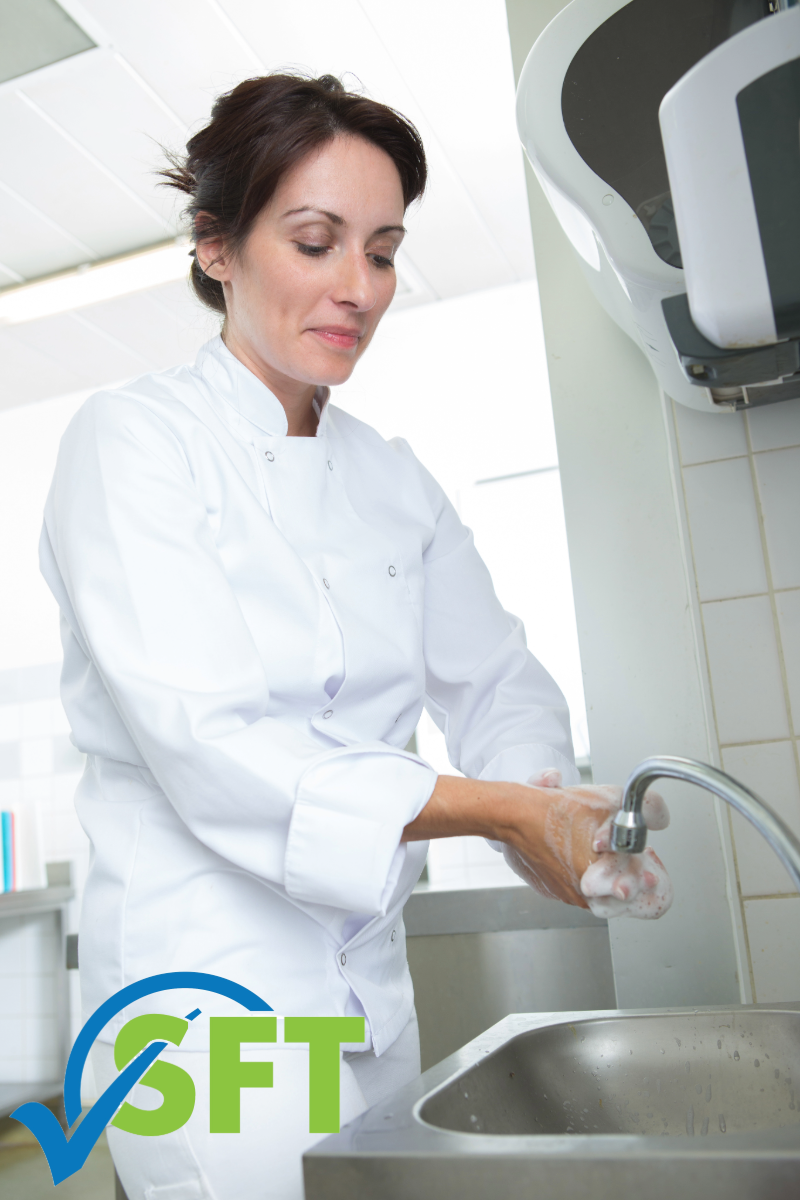
handwashing-food worker washing hands

As a certified food safety manager, you know that proper handwashing is the cornerstone of preventing foodborne illness. While the 20-second scrub is a critical skill taught in every certification course, your responsibility extends far beyond just the technique. The physical environment where handwashing occurs—the handwashing station itself—is a critical control point that demands constant oversight. A poorly maintained station can undermine even the best-trained staff, creating a weak link in your food safety defenses.

This guide will move beyond the basics to focus on three essential areas of management: perfecting the setup of every handwashing station. It will also reinforce the critical moments for hand hygiene and extend your high standards to guest-facing areas.

Perfecting the Setup: Anatomy of an Effective Handwashing Station

An effective handwashing policy is only as good as the tools you provide. Consider every designated hand sink, from the kitchen line to the employee restroom, as a vital piece of safety equipment. Your role is to ensure each one is always ready for service.

The Non-Negotiables: Soap, Towels, and Hot Water

Handwashing
Handwashing is vital for all kitchen staff.

A handwashing station is incomplete without its essential components. Staff should never have to search for soap or paper towels, as this creates a barrier to compliance. Always fill and make dispensers easily accessible. Furthermore, hot water is a requirement. Make it a part of your opening procedures to run the taps at each sink to ensure hot water is readily available, especially during colder months when pipes take longer to warm up.

Reinforcing Behavior with Visual Cues

Even the most experienced staff benefit from reminders. Placing a clear, simple handwashing instructional poster within view of every sink serves as a constant reinforcement of proper procedure. This simple tool helps maintain a consistent standard across your entire team, demonstrating a visible commitment to food safety.

Reinforcing the When: Critical Moments for Hand Hygiene

A certified food safety manager must instill in their team not just how to wash their hands, but also when. This requires diligent training and consistent oversight to build reflexive habits in your staff.

From Routine to High-Risk

Handwashing is required at routine intervals, such as before beginning a shift and after eating, smoking, or using the restroom. However, we must be cautious of high-risk tasks. The most critical of these is after handling raw animal proteins. This action must be automatic and immediate to prevent cross-contamination.

The Glove and Handwashing Connection

It’s a common misconception that wearing gloves replaces the need for handwashing. Gloves can be contaminated just like hands. Train staff to wash their hands before putting on new gloves and after taking them off. A change of task, especially from a raw to a ready-to-eat product, requires a glove change and handwashing.

Extending Standards: The Overlooked Guest Restroom

Your commitment to hygiene should not end where the kitchen does. Customer restrooms are a direct reflection of your establishment’s overall standards of cleanliness and safety.

A Reflection of Your Brand

A clean, well-stocked guest restroom conveys to your customers that you value their well-being. This area must have the same essential components as your staff stations: an ample supply of soap, paper towels, and readily available hot water. Failing to address this area can damage your reputation.

Promoting Public Health

While you cannot enforce health guidelines on customers, you can encourage them to follow them. Placing a handwashing poster in the guest restroom can gently promote proper hygiene and help reduce the spread of illness within your community, reinforcing your role as a responsible public establishment.

Ultimately, the diligence you apply to these seemingly small details separates an adequate food safety program from an exceptional one. As a certified food safety manager, your leadership in maintaining every handwashing station and reinforcing proper protocols is crucial to keeping your food, staff, and customers safe.

You can explore our comprehensive certification and renewal courses to ensure your entire team learns these critical food safety basics. 

Register for an upcoming course with Safe Food Training today!

Instructive Tips For Food Safety Managers At Medical Institutions

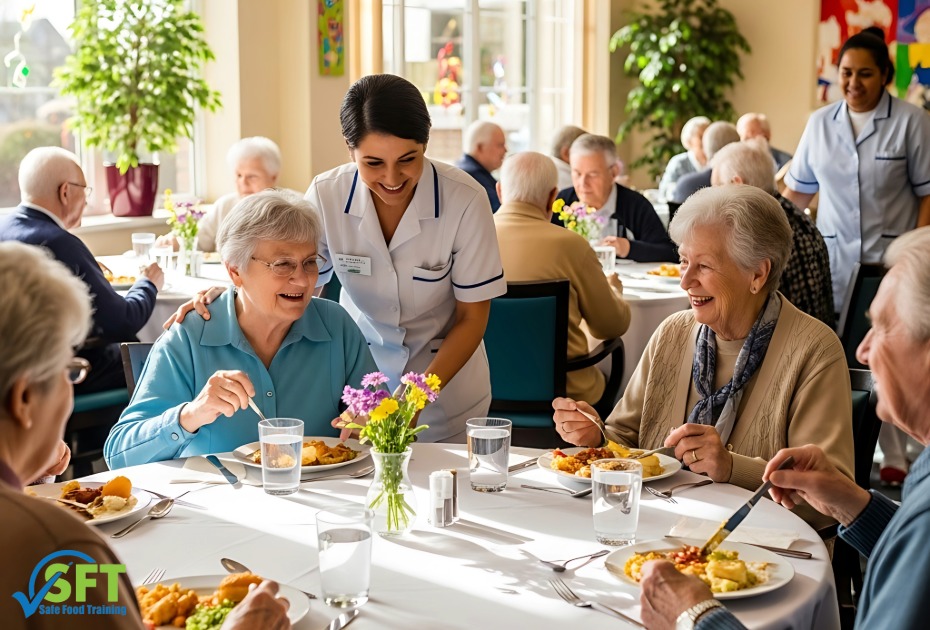
People eating at a senior center.

If you’re a Certified Food Protection Manager (CFPM) in a Minnesota medical facility, you’re serving a “highly susceptible population.” This includes older residents, surgical patients, and those with weakened immune systems who are more likely to get sick from foodborne illnesses. Staying diligent with sanitation, allergy tracking, and produce prep is the best way to keep your residents safe and your facility compliant with the Minnesota Food Code.

Extra Precautions for High-Risk Food Service

When you’re managing a busy kitchen in a hospital or assisted living center, the stakes are much higher than in a standard restaurant. You aren’t just serving dinner; you’re protecting vulnerable people. It’s why we focus so much on these specific areas during our training sessions.

Master Your Sanitizer Mix

It’s vital to sanitize every utensil and prep surface correctly. You’ve probably done this a thousand times, but it’s easy to get careless during a Friday rush. Don’t guess at the mixture. If your solution’s too weak, bacteria stay on the counters. If it’s too strong, your patients might ingest chemicals like bleach or iodine. Keep those test strips right where you can see them and use them often.

Don't Skip the Produce Wash

We always tell our clients to wash all raw fruits and vegetables, even the ones that say “ready to eat” on the bag. Produce travels a long journey before it reaches your loading dock in Duluth or the Twin Cities. It sits in warehouses and travels in trucks, where it can pick up dirt or other hazards. For a healthy adult, a little leftover bacteria might not be a big deal, but for your residents, it could be a serious health risk. Taking that extra minute to rinse everything is a simple way to stay safe.

Tighten Up Your Allergy Tracking

In medical facilities, patients come and go quickly. It’s easy for allergy information to get lost when someone new moves in. You’ve got to be strict about your record-keeping. Some of the best managers I know have decided to just cut out high-risk items like peanuts or shellfish entirely. It takes the guesswork out of the equation and keeps everyone a lot safer.

Frequently Asked Questions About Institutional Food Safety

If you’re running a kitchen in a care facility, you probably have specific questions about state rules. Here are some common things we hear during our certification courses.

What is a "highly susceptible population" in Minnesota?

This term refers to groups such as preschool children, older adults, and immunocompromised individuals. The Minnesota Food Code has much stricter rules for facilities serving these folks because their bodies can’t fight off foodborne infections as easily as others.

Are there specific foods I can't serve in a medical facility?

Yes, there are restrictions. You can’t serve raw or undercooked animal products, such as rare steak or raw oysters. You also can’t use unpasteurized eggs in recipes that aren’t fully cooked, like Caesar dressing or hollandaise sauce, unless you’ve got an approved HACCP plan in place.

Do I need a HACCP plan for my facility?

You might. If you’re performing specialized processes, such as vacuum packaging or using unpasteurized juice for highly susceptible residents, the state often requires a Hazard Analysis Critical Control Point (HACCP) plan. This is just a systematic way to identify and control food safety risks.

Book Your Training with Safe Food Training

Food Safety Managers at Medical Institutions
Are you up to code for your medical institution?

Whether you need a full 8-hour certification or just your 3-year renewal, we’re here to help. Give Jeff a call at (952) 210-0195 or email info@safefoodtraining.com to find a class near you. You can also see our full schedule and register at safefoodtraining.com.