Instructive Tips For Food Safety Managers At Medical Institutions

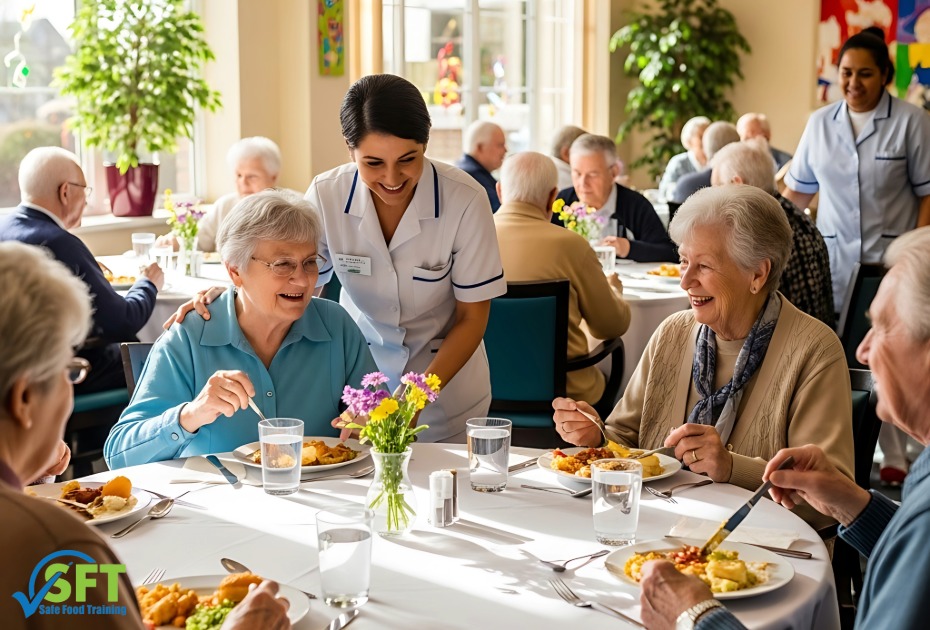
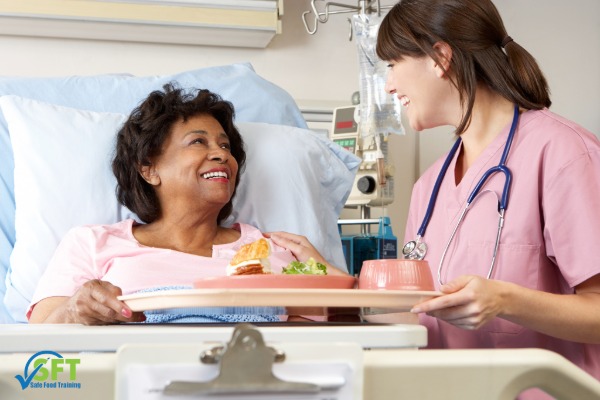
If you’re a Certified Food Protection Manager (CFPM) in a Minnesota medical facility, you’re serving a “highly susceptible population.” This includes older residents, surgical patients, and those with weakened immune systems who are more likely to get sick from foodborne illnesses. Staying diligent with sanitation, allergy tracking, and produce prep is the best way to keep your residents safe and your facility compliant with the Minnesota Food Code.

Extra Precautions for High-Risk Food Service

When you’re managing a busy kitchen in a hospital or assisted living center, the stakes are much higher than in a standard restaurant. You aren’t just serving dinner; you’re protecting vulnerable people. It’s why we focus so much on these specific areas during our training sessions.

Master Your Sanitizer Mix

It’s vital to sanitize every utensil and prep surface correctly. You’ve probably done this a thousand times, but it’s easy to get careless during a Friday rush. Don’t guess at the mixture. If your solution’s too weak, bacteria stay on the counters. If it’s too strong, your patients might ingest chemicals like bleach or iodine. Keep those test strips right where you can see them and use them often.

Don't Skip the Produce Wash

We always tell our clients to wash all raw fruits and vegetables, even the ones that say “ready to eat” on the bag. Produce travels a long journey before it reaches your loading dock in Duluth or the Twin Cities. It sits in warehouses and travels in trucks, where it can pick up dirt or other hazards. For a healthy adult, a little leftover bacteria might not be a big deal, but for your residents, it could be a serious health risk. Taking that extra minute to rinse everything is a simple way to stay safe.

Tighten Up Your Allergy Tracking

In medical facilities, patients come and go quickly. It’s easy for allergy information to get lost when someone new moves in. You’ve got to be strict about your record-keeping. Some of the best managers I know have decided to just cut out high-risk items like peanuts or shellfish entirely. It takes the guesswork out of the equation and keeps everyone a lot safer.

Frequently Asked Questions About Institutional Food Safety

If you’re running a kitchen in a care facility, you probably have specific questions about state rules. Here are some common things we hear during our certification courses.

What is a "highly susceptible population" in Minnesota?

This term refers to groups such as preschool children, older adults, and immunocompromised individuals. The Minnesota Food Code has much stricter rules for facilities serving these folks because their bodies can’t fight off foodborne infections as easily as others.

Are there specific foods I can't serve in a medical facility?

Yes, there are restrictions. You can’t serve raw or undercooked animal products, such as rare steak or raw oysters. You also can’t use unpasteurized eggs in recipes that aren’t fully cooked, like Caesar dressing or hollandaise sauce, unless you’ve got an approved HACCP plan in place.

Do I need a HACCP plan for my facility?

You might. If you’re performing specialized processes, such as vacuum packaging or using unpasteurized juice for highly susceptible residents, the state often requires a Hazard Analysis Critical Control Point (HACCP) plan. This is just a systematic way to identify and control food safety risks.

Book Your Training with Safe Food Training

Food Safety Managers at Medical Institutions
Are you up to code for your medical institution?

Whether you need a full 8-hour certification or just your 3-year renewal, we’re here to help. Give Jeff a call at (952) 210-0195 or email info@safefoodtraining.com to find a class near you. You can also see our full schedule and register at safefoodtraining.com.

For over 20 years Safe Food Training has been known as the # 1 provider of food protection manager certification in Minnesota. We offer both instructor led and on-line food safety certification courses. Our instructor led courses are regularly scheduled at several central Minnesota locations. If you have special training requirements, we can even customize ServSafe training for your group. Which ever option is best for you, we would be happy to serve your needs.

Leave a Reply