
The CFPM’s Catering Guide to Safe Transport: From the Kitchen to the Venue

Catering. CFPM

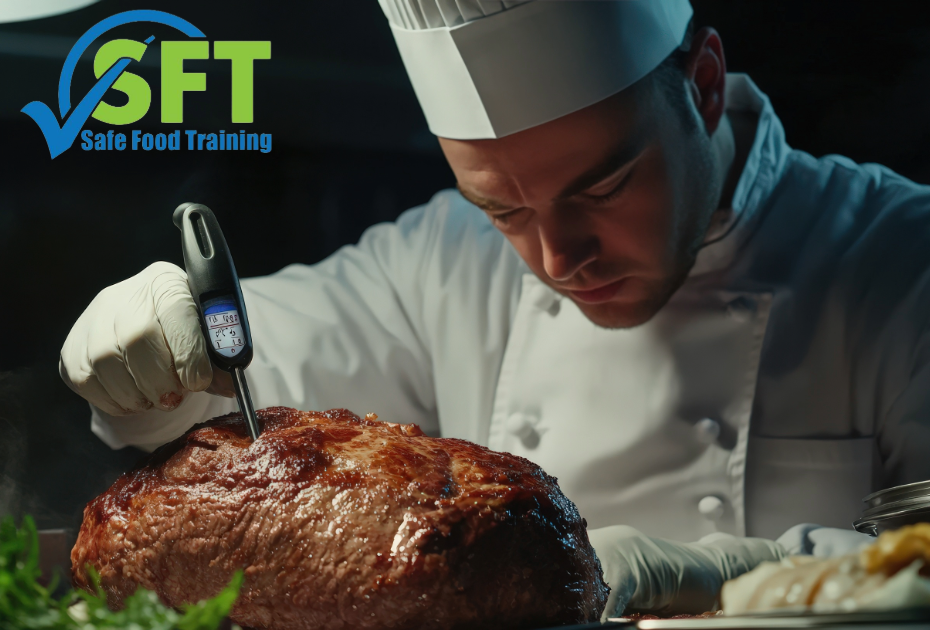
Safe food transport requires strict temperature control from the moment your dishes leave the kitchen until they hit the buffet line. You’ve got to use insulated carriers and regularly check the temperature to keep hot food above 135°F and cold food below 41°F. This prevents dangerous bacteria from multiplying while you’re out on the road.

Battling the Minnesota Elements

Catering in Minnesota presents unique weather challenges for your business. You might fight a winter blizzard in St. Cloud or sweat out a humid July afternoon in the Twin Cities. Either way, external factors are working hard against your food’s safety. Moving meals across town isn’t just about driving carefully. It’s about creating a perfectly controlled environment inside your delivery vehicle so your hard work pays off.

Let’s talk about your holding equipment. A standard tailgating cooler won’t cut it when you’re moving pans of hot lasagna or delicate seafood appetizers. You need commercial-grade insulated transport boxes for a professional gig. These specialized units keep heat or cold for several hours. They basically act as a temporary extension of your commercial kitchen. You’ve got to pre-chill or pre-heat these carriers before packing them. Placing hot pans into a freezing-cold box instantly lowers the temperature of your food.

Temperature control relies entirely on avoiding the danger zone. That’s the specific temperature range between 41°F and 135°F where bacteria multiply the fastest. If your food sits in that zone for too long, your guests will probably get sick. Always probe your food with a calibrated thermometer just before loading the van. I also recommend keeping a transport log on your clipboard. Writing down the exact departure temperature gives you a reliable baseline if you hit unexpected traffic on I-494. Take the temperature again, exactly when you arrive at the venue.

Stop Cross-Contamination in the Truck

 Catering company.
Is your catering business meeting all of Minnesota’s food safety requirements?

Temperature isn’t your only concern when hitting the highway. Spills and leaks are a major threat to your catering order. You must never stack raw ingredients above ready-to-eat foods in your delivery vehicle. A sudden stop can easily send raw meat juices spilling onto a tray of fresh salads.

Wrap your pans tightly with heavy-duty foil or commercial plastic wrap. You also need to make sure your vehicle is spotless before loading. Dust and dirt from your floorboards can easily circulate and contaminate your food containers. Securing your load with straps prevents a disastrous mess and keeps your food completely safe from physical contamination. It’s also smart to keep allergen-free meals in completely separate, clearly labeled coolers so they don’t get mixed up during the chaos of setting up the buffet.

Frequently Asked Questions About Catering Transport

Moving food off-site raises many specific concerns for Minnesota caterers. Here are the answers to some typical transport questions we get asked in our classes. For more details, you can always check our general FAQ page.

How long can food stay in an insulated carrier?

It really depends on the overall quality of your equipment. High-end hot boxes can hold temperatures safely for about four hours. You should always monitor the internal temp to verify it hasn’t dropped into the dangerous temperature range.

What if I lose temperature control on the way to the venue?

You’ve got a tough decision to make if this happens. If you know the food has been sitting outside safe temperature limits for over 4 hours, throw it away. It’s painful to toss out an entire wedding dinner, but making dozens of people sick is far worse.

Do I need a special refrigerated truck to transport catered food?

You don’t need a refrigerated truck for short, local trips. Standard passenger vehicles work perfectly fine if you use proper commercial carriers and secure them tightly. You just can’t let the containers slide around and spill inside your trunk.

Get Your MN Food Safety Certification

Keeping a busy off-site catering operation compliant takes actual skill, and we’re ready to help your team succeed. Give me a call at (952) 210-0195 or email info@safefoodtraining.com to find a training location near you. You can easily register for your initial certification or book your 3-year continuing education class at safefoodtraining.com.

Distraction-Free Learning: Why Our In-Person Classes Have a 90%+ Pass Rate

Distraction-free learning.

Running a kitchen is a balancing act, and finding the “perfect” time to step away can feel impossible. Between vendor deliveries, staffing gaps, and the inevitable dinner rush, your focus is often split a dozen different ways.

While it’s tempting to squeeze your Certified Food Protection Manager (CFPM) training into those small gaps in your day, mastering Minnesota Department of Health regulations while a delivery driver is at the back door can be a recipe for frustration. For many managers, taking a day off from the daily grind is a highly effective way to address this requirement.

That dedicated, distraction-free environment is a key reason why students in our in-person training classes have achieved a pass rate of over 90%.

The True Cost of Distractions

Trying to study while actively managing a restaurant is a lot like trying to read a fire extinguisher manual while you’re standing in front of a flare-up. It’s tough to fully absorb the details when your focus is pulled in every direction.

Food safety involves more than just common sense; the exam covers technical requirements for holding temperatures, prevention protocols, and sanitation standards. Constant interruptions can make it difficult to keep those exact numbers and procedures straight.

Not clearing the exam on the first attempt often means spending more time away from your operation for a retake, which adds to the lingering stress of an already busy schedule.

The Value of the "One-and-Done" Approach

Our in-person classes are designed to provide a much-needed break from the daily kitchen hustle. Here is how stepping into a dedicated classroom environment helps many managers succeed:

  • Total Immersion: You can actually turn your phone on silent. For eight hours, your only job is to understand the material.
  • Immediate Answers: If a concept about cooling methods or allergen management isn’t clicking, Jeff is right there to break it down using real-world kitchen scenarios.
  • Same-Day Testing: We typically administer the state-approved exam immediately after the lesson while the concepts are fresh, which is a major factor in our high pass rates.

We know your time is tight. By focusing on the material for one full day, you can work toward your certification without the test hanging over your next several shifts.

Secure Your Certification Today

Distraction-Free LearningDon’t let the daily grind get in the way of your professional requirements. Take a day to focus, get the expert instruction you need, and knock out your CFPM certification with confidence.


Ready to get away and get it done? Call us at (952) 210-0195 or email info@safefoodtraining.com to secure your seat. You can also view our full schedule of upcoming in-person classes at safefoodtraining.com.

Your Top Training Format Questions Answered

If you’re still debating whether an in-person class is the right fit for your schedule, here are a few common questions we hear from local managers.

Q: What is the main benefit of personalized, in-person training?

A: We focus on creating a convenient and effective learning experience. Led by Jeff Webster, we can focus on the food safety challenges relevant to your unique operation—whether you’re in a school cafeteria, a large restaurant, or a catering business. This tailored approach makes the training more relevant and impactful for your team.

Q: I need to get certified, but I’m worried about the test. What happens if I don't pass on the first try?

A: We’re dedicated to your success, and our high pass rate reflects that. However, if you don’t pass the exam on your first try, we offer a retake of the course and exam at one of our future regularly scheduled sessions. Our goal is to provide the support you need to become a Certified Food Protection Manager.

Q: Who actually teaches the in-person classes?

A: You’ll be learning directly from Jeff Webster, an expert with decades of real-world food service and safety experience here in Minnesota. He understands the practical realities of running a kitchen, not just the textbook rules.

Q: Where are the in-person classes held?

A: We regularly hold classes at convenient locations around the Twin Cities, Central Minnesota, and Duluth to make attending as easy as possible.

Don’t Let Your License Slip: A Guide to the Minnesota CFPM 3-Year Renewal Cycle

CFPM Three Year Renewal

In Minnesota, maintaining your Certified Food Protection Manager (CFPM) license requires completing an approved 4-hour continuing education course every three years. Letting this deadline pass means you lose your active certification and must retake the entire 8-hour initial course and exam. Book your 4-hour refresher early to keep your kitchen compliant and avoid the headache of a full retest.

Managing a busy kitchen in St. Paul or running a prep line during a Friday rush takes all your focus. The last thing you need hanging over your head is an expired food safety license.

A lot of folks ask me what “continuing education” actually means in the eyes of the state. It’s pretty straightforward. You don’t have to sit through another high-stakes exam. It’s simply a 4-hour refresher on the latest Minnesota Department of Health (MDH) regulations. We cover the basics again to keep your food safety knowledge sharp.

The Danger of Day 1,095

You have exactly three years to get this done. Procrastination is a real trap in the restaurant business.

You think you have plenty of time. Then suddenly, it’s day 1,094. Scrambling to find a class at the last minute is an absolute nightmare. Missing that deadline has real consequences. If your license expires, the state sees you as starting from scratch. You’ll be back in a full 8-hour class. You’ll be taking the certification exam all over again. When the health inspector walks in with their clipboard, an expired license is the last thing you want to explain. Nobody wants to do that if they don’t have to.

Getting your hours knocked out a few months early takes the pressure off. You get the peace of mind knowing you are covered for another three years.

Choosing Your Training Format

We offer a few ways to get those four hours out of the way. We run our continuing education training right alongside our full certification courses. You choose the learning style that fits your schedule.

Feature

In-Person Continuing Ed

Online Continuing Ed

Pace

Completed in one four-hour morning session.

100% self-paced.

Focus

Distraction-free environment.

Fit it in between shifts or at home.

Language

English instruction.

Available in English and Spanish.

Vibe

Great for networking with other local managers.

Maximum convenience and flexibility.

Let’s Get Your Renewal Handled

Don’t let a technicality pull you off the floor. I want to make sure you and your staff stay compliant with no unnecessary stress. Whether you want the distraction-free environment of our in-person sessions or the flexibility of our online modules, we have you covered.

 3-Year
Don’t forget your three-year renewal!

Call us at (952) 210-0195 or email info@safefoodtraining.com to book your 4-hour continuing education course. You can also view our full schedule at safefoodtraining.com. Let’s get this checked off your to-do list.

Your Top Renewal Questions Answered

If you’re still wondering how the renewal cycle impacts your specific situation, here are a few of the most common questions we hear.

Q: How often must I complete continuing education to maintain my food safety certification in Minnesota?

A: In Minnesota, you must renew your certified food protection manager license by completing continuing education every three years.

Q: I just need continuing education credits. Do I have to take the full 8-hour course?

A: No, you don’t. We offer dedicated continuing education training specifically for professionals who need to fulfill Minnesota’s requirements. We offer these courses concurrently with our comprehensive certification course for your convenience, and they are ideal for past clients who need to renew their certification.

Q: How will I know when it's time to renew my certification?

A: As a valued client of Safe Food Training, you don’t have to worry about tracking your renewal date. We provide timely reminders for the three-year renewal cycle to ensure you complete your required continuing education before your certification expires, helping you stay compliant with Minnesota law.

Q: How do I sign up for a continuing education course?

A: You can book your continuing education training directly through our website, by giving us a call, or by responding to one of our email announcements.

The Essential Guide to CFPM Requirements for Minnesota Food Trucks

CFPM requirements for Minnesota food trucks

In Minnesota, operating a food truck or mobile food unit requires having at least one Certified Food Protection Manager (CFPM) on staff to ensure public safety and state compliance. Whether you opt for the self-paced flexibility of an online course or the distraction-free environment of our high-pass-rate in-person training, getting your certification is a mandatory and foundational step before you hit the road with your mobile food business.

Navigating Minnesota's Food Truck CFPM Regulations

Imagine running a bustling taco truck near the Stone Arch Bridge or managing a busy mobile BBQ pit in downtown St. Paul. It takes incredible hustle, early mornings, and a whole lot of passion. With over 250 active food trucks operating in the Minneapolis area alone, the competition is fierce, but the community is strong. You are constantly juggling prep work, location scouting, equipment maintenance, and customer service. But before you can hit the streets and serve your first customer, you must ensure your mobile kitchen meets Minnesota’s strict food safety standards.

Just like traditional brick-and-mortar restaurants, mobile food units in Minnesota are legally required to employ a Certified Food Protection Manager. This state rule ensures that the person steering the ship (or truck, in this case) has the comprehensive knowledge needed to keep every single customer safe from foodborne hazards.

The stakes are incredibly high: according to the CDC, an estimated 48 million people get sick from foodborne illnesses each year, and roughly 40% of reported restaurant and mobile food outbreaks trace back to sick food workers. Proper training is your first line of defense.

Why Your Mobile Food Unit Needs a CFPM

Understanding these regulations is about much more than just checking one box for the local health inspector. It is about building a safe, sustainable, and respected food truck business.

 Minnesota food truck CFPM requirements
Is your food truck meeting the CFPM requirements in Minnesota?
  • Legal Operation: The Minnesota Department of Health and local city jurisdictions require a CFPM for most food establishments, including mobile food units. You simply cannot secure your licensing or operate legally without one.
  • Preventing Illness: Certification ensures you and your staff master the critical daily procedures, including preventing foodborne illness, maintaining proper time and temperature controls, and preventing cross-contamination.

Building Trust: Customers want to know their food is safe. A certified food truck shows a professional commitment to public health and protects your hard-earned reputation.

The Choice: In-Person vs. Online CFPM Training

When you are ready to get certified, you have one crucial choice to make regarding your training format. At Safe Food Training, we offer two primary options to fit your unique lifestyle, but it is important to understand the distinctive benefits of each path.

Feature

In-Person Training

Online Training

Learning Environment

Distraction-free, classroom setting

Flexible, location-independent

Focus & Success

Historically high pass rate

Requires high self-discipline

Instructor Access

Direct, face-to-face interaction

Independent study

Scheduling

Set date and time

Learn at your own pace

For food truck operators who are constantly on the go, the online route offers undeniable flexibility. However, stepping away from the chaotic daily grind of your business to attend an in-person class provides a focused, distraction-free environment. This immersive approach allows you to fully engage with the material alongside our expert instructors, leading to a much higher pass rate and a deeper, more practical understanding of food safety.

Frequently Asked Questions

Some of the common questions we get include:

Q: What is the primary service that Safe Food Training offers?

 Completing CFPM requirements on a computer
Start on the computer or learn in person, whichever works best for you.

A: We specialize in providing personalized, 8-hour certified food protection manager licensing courses tailored for food professionals across Minnesota. We also offer dedicated continuing education training alongside our full certification course.

Q: What does "personalized training" mean?

A: We focus on creating a convenient and effective learning experience that fits your specific needs. Led by our expert Jeff Webster, we can focus on the food safety challenges relevant to your unique operation—whether you’re in a school cafeteria, a large restaurant, or a mobile food business. This tailored approach makes the training more relevant and impactful for your team.

Q: How will I know when it's time to renew my certification?

A: As a valued client of Safe Food Training, you don’t have to worry about tracking your renewal date. We provide timely reminders for the three-year renewal cycle to ensure you complete your required continuing education before your certification expires, helping you stay compliant with Minnesota law.

Q: What happens if I do not pass the Certified Food Protection Manager exam on my first attempt?

A: We are dedicated to your success. If you do not pass the exam on your first try, we offer a retake of the course and exam at a future regularly scheduled session. Our goal is to provide the support you need to earn your Certified Food Protection Manager certification.

Ready to Hit the Road?

 Food trucks in Minnesota.
Get your food truck off to the right start with CFPM training and safe food training in Minnesota!

Don’t let certification requirements keep your mobile kitchen parked. Whether you learn best in our distraction-free In-Person classes or need the ultimate flexibility of our online training, we are here to equip you with the knowledge you need to succeed.

Register for an upcoming course today!