Certified Food Managers Can Donate Excess Food During the Covid-19 Slowdown
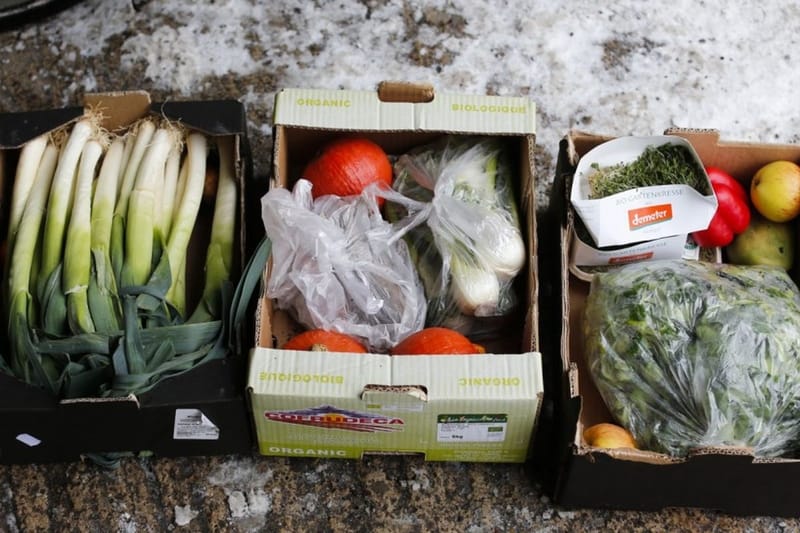
Now that restaurants, bars and other food producers have been asked to close dining rooms and only offer takeout and delivery, certified food managers are finding that they are not using as much inventory as they once had. What can local businesses do to prevent excess produce, meat and other ingredients in their refrigerators from going to waste? The Minnesota Department of Health has suggested that restaurants and food businesses can donate excess product to charities and programs that provide meals to those in need. So how do certified food managers get in touch with these programs to donate food during the COVID-19 outbreak?
How Certified Food Managers Can Help by Donating Food during the COVID-19 Crisis
Donations can not only be a great way to reduce your waste during this time, but also give back to your community. Potential guests will see your willingness to sacrifice during hard times and may order from your establishment once they see your charitable nature.
Beyond raw ingredients, there are a few organizations look for prepared meals whether packaged for reheating or hot and ready to go. Charities such as Hunger Solutions have begun compiling maps of businesses providing free meals for children who would normally rely on schools for breakfast, lunch and sometimes dinner. Besides Hunger Solutions, there are also many other local organizations looking for help from restaurants, too many for us to specifically name here. The Department of Health has provided a list of contacts to help certified food managers find charities in their area who are looking for increased donations during the COVID-19 slowdown.
If you’re considering donating product, meals or even kitchen space, here are a few links to get you started:
Have you considered joining other certified food managers who donate food, labor or kitchen space during the COVID-19 shutdown?