A ServSafe MN Perspective On Delivery Apps- Part 1

Delivery app and Servsafe

You can use your Smartphone to find restaurants near your location, pursue menus, read customer reviews and easily make reservations. With modern software, there are even apps available that will allow you to order meals delivered directly to your door. This week, we’ve decided to explore Smartphone delivery apps and whether or not they fall under ServSafe MN guidelines.

Delivery app and Servsafe MN
Image credit: pixabay.com

Who Monitors the ServSafe MN Procedures of Delivery App Drivers?

One of the concerns that we have when it comes to using a food delivery app is what precautions are being taken to ensure that your food will be handled in a safe manner. Let’s look at the three types of delivery apps that exist:

  • Major restaurant chain apps
  • Apps that order from restaurants that deliver
  • Third-party courier apps

In the case of the first two options on our list, your delivery drivers will be employees of the restaurant that prepares the food. The site ServSafe MN Manager can train the drivers in proper safe food handling procedures. In the case of third-party apps, customers place their order with the third-party, not the restaurant that prepares the food. In this scenario, the delivery app is the customer of the restaurant. There seems to be a gray area as to whether the delivery app is required to have received any ServSafe MN food-safety training.

Many food courier services are outside the jurisdiction of your local health department. Your meal has been paid. The third-party app driver is simply picking it up at the restaurant and bringing to your door. Our understanding is that they do not need to be food safety certified, and are not responsible for the quality of the food that arrives at your door. It is unclear at this time if there will be any adjustments to the food code to make sure that food couriers are abiding by food safety regulation.

Protecting Food Safety While Using Delivery Apps

In speaking with a few restaurant owners, we have found some that have expressed concerns with the growing popularity of food delivery apps. Their major issue with these apps is the fact that the delivery drivers do not represent them or their business. This means that they may be putting the quality of their product in the hands of a courier. A delivery app that may not have the restaurants best interests in mind. If a guest receives a cold dinner or a carton of sandwiches that appears to have barely survived a rugby match, their displeasure may not be with delivery service, but with the restaurant itself.

We’d like to know how you feel about delivery apps. Do you prefer to order directly from the source? or Do you feel that third-party food couriers are just as reliable?

New ServSafe Managers Guide to Seasonal Food Stands

New ServSafe Managers Guide to Seasonal Food Stands

With the warmer weather approaching, many Minnesotans will be getting outside and attending events in the fresh air. Farmer’s markets, carnivals and other events are great opportunities for food businesses to showcase their product with seasonal food stands. Since these stands aren’t located at a restaurant or other indoor facility, there are some special rules that ServSafe managers should be aware of when planning their temporary outdoor eating establishment.

New ServSafe Managers Guide to Seasonal Food Stands
Image credit: duncan c via Flickr

How to Plan a Seasonal Food Stand for ServSafe Managers

In order to have an outdoor eating establishment approved, the operator cannot simply set up shop and begin cooking, regardless of their ServSafe certification status or if their home-base outlet is licensed. A detailed plan must be submitted at least 30 days before operations begin. Your plan must include:

  • Menu
  • Anticipated volume of ingredients and finished product
  • Layout and equipment specifications
  • Details on freshwater supply, waste removal and sanitation procedures

In order to gauge what permits or licenses are needed, your local inspector will need to know what type of food you’ll be serving. Grab-and-go items that are prepackaged or simple heat-and-serve meals have different requirements than freshly prepared food from raw ingredients. Lower volume seasonal stands may also have different licensing issues depending on location, so the anticipated volume can be a big factor during an inspection before opening.

ServSafe food managers also need to be very detailed when it comes to the layout and equipment used in the seasonal food stand. All equipment must still pass the same certifications for restaurant use as in your brick-and-mortar establishments.

The last part of a plan for Servsafe managers to use for a seasonal food stand should outline how water will be supplied and how the equipment will be sanitized. Fresh, clean water is a requirement for handwashing, sanitation, and any cooking procedure that involves water. A simple garden hose run from a nearby building won’t cut it. If you’re not using a portable handwashing and water supply station, make sure to investigate the source to see if it is approved for use in your temporary stand. If you have multi-use utensils, equipment for storage or serving items, a dishwashing plan must be in place. If you do plan on using these types of items, plan on having a triple sink with access to hot water available.

Are you planning on showcasing your food business at seasonal events this summer?

Debunking a Common Myth: Why a Certified Food Protection Manager Must Treat Organic and Conventional Foods the Same

Certified Food Protection Manager

Certified Food Protection ManagerAs consumer demand for organic and farm-to-table ingredients continues to grow, many Minnesota restaurants and food producers are adapting their menus. This shift raises a critical question for every Certified Food Protection Manager: Do organic ingredients require different food safety protocols? While agricultural methods for these foods differ, the principles for preventing foodborne illness remain unchanged.


The simple answer is that you must handle all food, regardless of its source or label, with the same rigorous safety standards. The risk of contamination doesn’t disappear just because an ingredient is certified organic. From the farm to the fork, the core responsibility of protecting public health is universal. Let’s explore the key areas where you must diligently apply these standards.

The Myth of "Safer" Organic Food

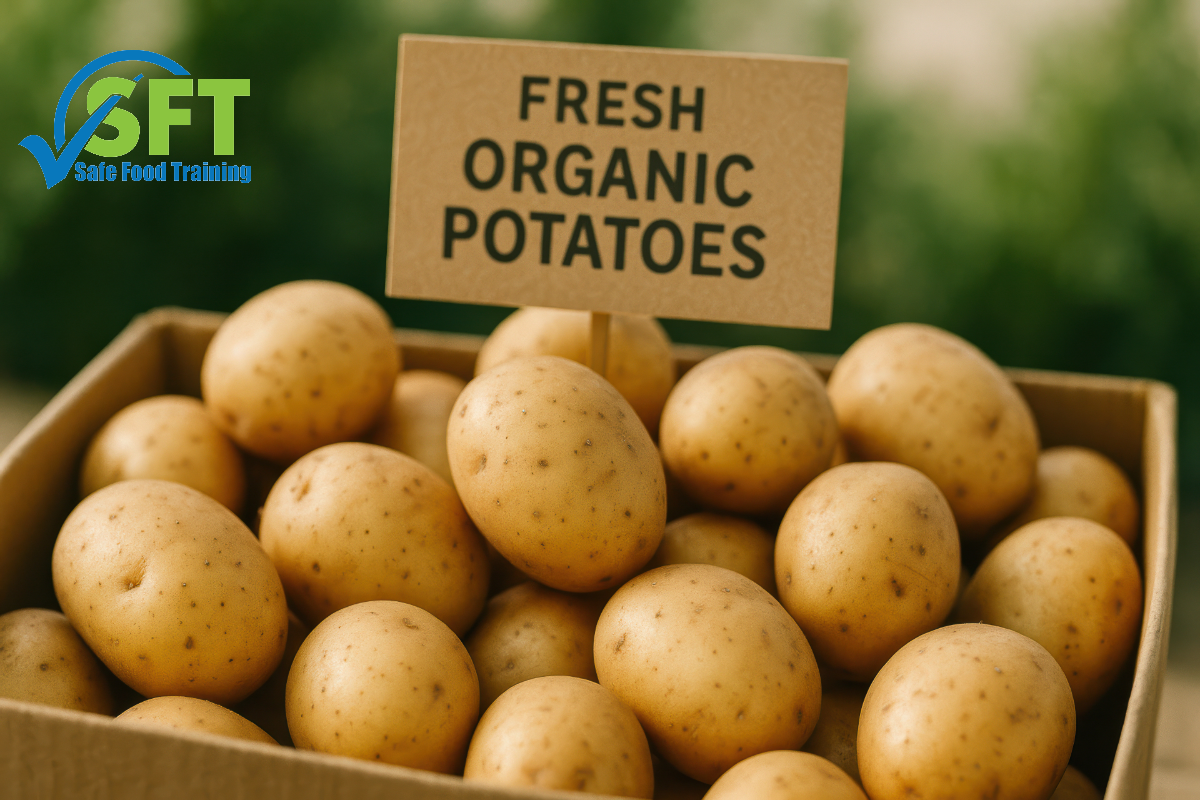
Many people mistakenly believe organic food is inherently safer from pathogens because farmers grow it without synthetic pesticides or fertilizers. However, the potential for contamination still exists, and sometimes, it can even present unique challenges. A knowledgeable food manager understands that the “organic” label refers to agricultural practices, not a guarantee of being pathogen free.

  • Natural Fertilizers: Organic farming often uses animal manure as fertilizer. If not properly composted, it can be a significant source of dangerous pathogens like E. coli and Salmonella, which can contaminate produce in the field.


  • Environmental Factors: Pathogens exist naturally in the environment. Contaminated irrigation water, contact with wildlife, or improper handling during harvest can introduce harmful bacteria to fruits and vegetables.


Raw Animal Products: Just like their conventional counterparts, organic eggs can carry Salmonella, and raw organic poultry can harbor Campylobacter. The animal’s diet does not eliminate these microbiological risks.

Applying Core Protocols: The Role of a Certified Food Protection Manager

Your training as a Certified Food Protection Manager builds upon a foundation of principles that apply to all ingredients. You can take no shortcuts or make exceptions for organic items when upholding Minnesota’s food safety standards. This consistency is crucial for preventing illness and maintaining customer trust.

Key Safety Controls

  • Time and Temperature: You must cook raw organic meats, poultry, and fish to the same federally recommended internal temperatures to destroy pathogens. Likewise, you must hold hot foods hot and cold foods cold, regardless of the ingredients’ origin.

  • Cross-Contamination Prevention: You must clean and sanitize a cutting board used for organic raw chicken just as thoroughly as one used for conventional chicken. Proper handwashing, glove use, and separating raw and ready-to-eat foods are non-negotiable.

  • Washing and Preparation: You must wash all produce, organic or not, thoroughly under running water before cutting, mixing, or serving it. This step is essential to remove soil, surface debris, and potential contaminants picked up during transit.

Diligence in Sourcing and Receiving

food protection manager
Are you a food protection manager looking to complete your recertification?

While sourcing from local or small-scale organic farms can be a great way to enhance a menu, it requires an extra layer of diligence. Unlike large distributors, which may have standardized, documented safety procedures, smaller suppliers might require more direct verification. As a manager, you are the final checkpoint for ensuring only safe ingredients enter your kitchen.

  • Vet Your Suppliers: Don’t hesitate to ask farmers about their food safety practices. Inquire about their water sources, harvesting procedures, and the Good Agricultural Practices (GAP) they follow. A reputable supplier will be happy to share this information.

  • Inspect Every Delivery: Upon arrival, you must meticulously inspect all ingredients. Check for signs of spoilage, pest damage, and temperature abuse during transport. Trust your training, not just the label on the box.

Ultimately, the role of a certified food protection manager is to be the guardian of food safety for your establishment. That responsibility means you must apply your expertise consistently and without compromise, ensuring every dish you serve is as safe as it is delicious.

For comprehensive training that covers these critical details for you and your team, explore our instructor-led Certified Food Protection Manager options in Minnesota. Visit Safe Food Training now to sign up for a course near you!

New ServSafe Food Manager’s Guide To Pesticides On Produce

ServSafe Food Manager's Guide To Pesticides On Produce

ServSafe food managers should be on the lookout for any type of hazard that could cause foodborne illness in their guests. While bacteria is one of the most common causes of illness spread in food, pesticides and chemical residues on fresh produce can also pose a hidden hazard. Is there a guide for Servsafe food managers to identify pesticides on produce, and what steps can a ServSafe food manager take to ensure their finished product is uncontaminated?

ServSafe Food Manager's Guide To Pesticides On Produce
Image credit: Adrienne LaTrice and Maggie Judson via flickr

The ServSafe Food Manager and Pesticides on Fresh Produce

While the potential exists for some pesticide contamination on all produce that arrives at your restaurant, there are some fruits and vegetables that are more prone to residual pesticides and chemicals than others. Each year, the Environmental Working Group (EWG) identifies their top 15 dirty and clean produce items as far as pesticides are concerned. The 2021 dirt list includes:

  • Greens such as kale, collard greens and spinach
  • Celery
  • Strawberries and grapes
  • Peppers and Tomatoes
  • Apples, Nectarines, Cherries and Pears

If you notice the grouping of these dirty items, you’ll see there’s no common theme as to how each of these potentially contaminated ingredients is grown. We have greens grown in the ground, berries on vines, vegetables and tree fruits. With such a wide variety of fresh produce making the list, how can a ServSafe food manager ensure his produce is clean?

The first step for a ServSafe food manager is to never assume that your fresh produce is free of pesticides just because of the way it’s been packaged, especially when dealing with greens. Some greens come loose and obviously need rinsing in order to prepare for service, but even clean-looking produce in sealed bags may still be contaminated. An extra rinse won’t damage most greens, so even if the package claims to contain prewashed produce, it’s prudent to rinse before service.

This should hold true for most fresh produce, not just leafy greens. All fruits, vegetables and berries should be properly rinsed before preparation or offered fresh to customers.

The EWG also released a top 15 list of clean produce that has the lowest risk of pesticide contamination, however, low risk does not equal no risk. So wash these fruits and vegetables before service as well.

Do you take steps to reduce the risk of pesticides reaching your guests dining room table?