Food Safe Training: A Guide for School Cafeteria Workers

Food Safety Training

Food Safe Training: A Guide for School Cafeteria Workers

Effective safe food training is the most important step for protecting student wellness. As a certified food protection manager on the front lines, your role is more critical than ever, with many schools now offering breakfast, lunch, and after-school meals. A focused review of food safety is the best way to prepare for a healthy and successful school year.

Your Back-to-School Safe Food Training Checklist

Before the school year kicks into high gear, it’s the perfect time for a thorough review of your facilities and procedures. A simple checklist helps you avoid overlooking details.

1. Start with a Comprehensive Deep Clean

A clean kitchen is a safe kitchen. After a quieter summer, certified food protection managers must oversee a thorough sanitation of all food service areas before the first food delivery arrives. This provides easier access to storage and hard-to-reach places. Pay special attention to these hidden breeding grounds for bacteria:


      • Floor Drains: Moisture and food particles can accumulate in drains, creating an ideal environment for pathogens like Listeria. Use an approved drain sanitizer regularly.

      • Behind and Under Equipment: Daily cleaning often misses the areas behind ice machines, ovens, and counters. To thoroughly clean and sanitize floors and walls, pull equipment away from the walls.

      • Dry Storage Areas: Shelving for dishes and food products can collect dust and debris. Wipe down all shelving and storage containers to prevent contaminants from falling onto clean dishes or into food.

    2. Review Critical Food Handling Procedures

    Serving hundreds of students safely requires constant vigilance. A pre-service team meeting is the perfect setting to reinforce these core food safety principles that all school cafeteria workers must master.


        • Master Temperature Control: The temperature “danger zone” (between 41°F and 135°F) is where bacteria multiply at the fastest rate. Hot foods must be held at or above 135°F, and cold foods must be kept at or below 41°F. Remind staff to check holding temperatures using a calibrated thermometer frequently. When reheating food, ensure it passes through the danger zone as quickly as possible to prevent bacterial growth.

        • Prevent Cross-Contamination: Use separate cutting boards, utensils, and gloves for raw meats and ready-to-eat foods, such as fresh fruits and vegetables. This simple but critical step prevents the transfer of harmful bacteria from one food item to another.

        • Uphold No-Bare-Hand Contact: This is a non-negotiable rule in the food service industry. All ready-to-eat foods must be handled with single-use gloves, tongs, scoops, or deli tissue. Ensure these utensils are clean, in good condition, and are readily available at all workstations.

      3. Reinforce Staff Hygiene and Wellness Policies

      Healthy people staff the healthiest kitchens. Food safety extends to personal practices, so it’s crucial to review your team’s role in preventing the spread of illness.


          • Champion Proper Handwashing: Gloves are not a substitute for clean hands. Review the proper handwashing technique—using soap and warm water for at least 20 seconds—before starting work, after handling raw meat, after using the restroom, and before putting on new gloves.

          • Enforce an Employee Health Policy: Staff must understand the importance of reporting symptoms, such as vomiting, diarrhea, or fever, to a manager. Establish a clear policy that outlines when an employee must stay home from work to prevent the potential spread of an outbreak.

          • Maintain Professional Appearance: Clean uniforms, properly restrained hair, and minimal jewelry are not just about looks—they are vital for preventing physical contaminants from ending up in food.

        Are You and Your Team Certified and Ready?

        These procedures are central to any professional food safety program. Whether you’re a certified food protection manager or a key part of the cafeteria staff, ensuring that you and every team member hold a valid food safety certification protects your students, your colleagues, and the school’s reputation.

        If you or your employees need certification, contact us to learn about our instructor-led safe food training options in Minnesota. We can get you and your team certified and ready to serve safely.

        Bookmark Our Proper Produce Washing Guide For Easy Access

        Washing lettuce

        As a certified food manager in Minnesota, you understand that maintaining high standards is essential for both your business and your customers’ safety. When it comes to preventing foodborne illness, mastering the fundamentals is key, and that begins with proper produce washing. While it may seem basic, this critical step is your first line of defense against contaminants that can lead to serious health risks. Ensuring your entire team understands and follows the correct procedures is essential for food safety compliance and protecting the people you serve.

        Fresh fruits and vegetables can carry a range of contaminants, including harmful bacteria such as E. coli and Listeria, as well as pesticide residues and physical soil contaminants. According to the CDC, germs cause nearly half of all foodborne illnesses on fresh produce. This highlights why a quick, careless rinse simply isn’t enough to mitigate the risks.

        Understanding Key Washing Techniques

        Not all produce is the same, and your washing method should adapt to the specific type of fruit or vegetable you are handling. Following best practices ensures that you effectively remove contaminants without damaging the product.

        For Leafy Greens (Lettuce, Spinach)

        Washing lettuce
        Learn how proper produce washing can keep customers safe!

        Greens like lettuce and spinach have a large surface area with many crevices where bacteria and dirt can hide.

        • Discard the outer leaves first. These leaves have received the most handling and are, therefore, more likely to harbor dirt and microorganisms.
        • Do not soak them. Instead, rinse leafy greens under cool, running water. Soaking can allow any bacteria present in the water to be absorbed into the leaves.
        • Dry thoroughly. Use a clean salad spinner or pat dry with paper towels to remove excess moisture, which can promote bacterial growth.

        For Firm Produce (Apples, Melons, Cucumbers)

        Produce with tough skin requires a bit more friction to get clean.

        • Gently rub the surface. While rinsing under cool running water, use your hands or a clean produce brush to scrub the exterior. This is especially important for items like cantaloupe, where bacteria on the rind can be transferred to the flesh when you cut it.
        • Consider a vinegar rinse for added safety. For produce with a higher risk or for extra precaution, a solution of one part distilled white vinegar to three parts water can help reduce bacteria more effectively than water alone. Be sure to rinse with plain water afterward.

        For Delicate Berries (Raspberries, Blueberries)

        Soft-skinned berries can be easily damaged and must be handled gently.

        • Wash just before you plan to use them. Washing berries too far in advance can introduce moisture that leads to mold and mushiness.
        • Use a colander. Place the berries in a colander and rinse them under a gentle stream of cool water.
        • Pat dry carefully. Gently pat them with a clean paper towel to absorb any lingering water before serving or storing.

        Avoiding Critical Mistakes in Produce Handling

        Knowing what not to do is just as important as knowing the right steps. Reinforce these rules with your kitchen staff to prevent common but dangerous errors in your food safety procedures. Foremost, never use soap, bleach, or commercial detergents to clean produce. These products are not for consumption and can be absorbed into the pores of fruits and vegetables.

        Start every delicious salad with proper produce washing!
        Start every delicious salad with proper produce washing!

        Cross-contamination is another major risk. To prevent it:

        • Always wash your hands with soap and warm water for at least 20 seconds before and after handling fresh produce.
        • Use separate cutting boards and utensils for produce and raw meat, poultry, or seafood.
        • Thoroughly clean and sanitize all food-contact surfaces, including countertops and sinks, before and after preparing produce.

        By implementing these standards for proper produce washing, you are taking a vital step in maintaining a safe and reputable establishment. It’s this attention to detail that shows a commitment to excellence.

        Ready to ensure your team is fully trained on all aspects of food safety, from produce handling to advanced food manager responsibilities? Safe Food Training offers personalized, instructor-led options for you and your team right here in Minnesota. 

        Book your initial certification or three-year renewal course today

        Don’t Let Foodborne Illness Be the Main Event: A Guide to 4th of July Food Truck Safety

        A food truck-follow our food truck safety, so you don't let foodborne illness rain on your parade.

        Don’t let foodborne illness be the main event this Fourth of July! For any food truck owner, this is one of the most profitable days. However, with massive crowds and soaring temperatures comes a significant responsibility to keep your customers safe. As a certified food protection manager and trusted mobile food vendor in Minnesota, your success on this hectic holiday hinges on one critical element: impeccable food truck safety. 

        The combination of high volume, summer heat, and the fast-paced environment creates the perfect storm for foodborne pathogens to thrive. This is where your professional training comes into play. Prioritizing the rules of food truck temperature control in hot weather and MN food safety isn’t just about compliance; instead, it’s about protecting your customers, staff, and reputation. Let’s break down the three key areas you must master to ensure your 4th of July is both successful and safe.

        Mastering Temperature in Extreme Heat

         foodborne illness at a food truck.
        Follow these food truck safety tips to prevent foodborne illness and have a fun and safe event this 4th of July!

        The single greatest threat to your food on a hot summer day is the temperature “danger zone.” The Minnesota Food Code clearly states: hold cold foods at or below 41°F, and keep hot foods at or above 135°F. When food sits between these two temperatures, bacteria like Salmonella and E. coli can double in number in as little as 20 minutes. Your truck’s refrigeration units have to work overtime on a hot July day, making constant vigilance essential.

        • Calibrate and monitor: Before you leave, ensure that you or your certified food protection manager calibrates and inspects all refrigerators, freezers, and hot-holding units. Place thermometers in the warmest part of each cold unit and check temperatures at least every two hours.
        • Limit Door Openings: Every time you open a cooler door, cold air escapes and warm air rushes in, forcing the unit to work harder. Organize your coolers so you can grab what you need quickly without leaving the door open for extended periods.
        • Use Ice Strategically: Pack beverage tubs or temporary coolers with enough ice to keep items fully submerged and at a temperature below 41°F. Keep in mind that ice melts quickly in direct sunlight.

        Winning the War on Cross-Contamination

        Eliminate Reduce foodborne illness with handwashing!
        Eliminate foodborne illness with handwashing!

        The tight quarters of a food truck make preventing cross-contamination both more challenging and more important. During a high-volume rush, it’s easy for standards to slip. As the certified food protection manager, you must enforce strict protocols to prevent the transfer of harmful bacteria from raw foods to ready-to-eat items.

        • Impeccable Handwashing: This is your first line of defense. Ensure your handwashing station is always stocked with soap, paper towels, and warm running water. Staff must wash their hands after handling raw meat, using the restroom, touching their face, or handling money.
        • Dedicated Surfaces and Utensils: Use color-coded cutting boards and separate utensils for raw meats, poultry, and produce to ensure food safety. In a small space, this visual cue system is invaluable for preventing dangerous mix-ups.
        • Proper Glove Use: Gloves can provide a false sense of security. Train your staff to change gloves between tasks, especially after handling raw proteins or any time they become torn or contaminated.

        Protecting Your Team from Heat Exhaustion

        Reduce foodborne Illness by keeping your employees healthy!
        Foodborne Illness

        A key component of food truck temperature control in hot weather and MN food safety is ensuring your staff is safe. A food truck in July is essentially a metal box sitting in the sun. Dehydration or heat exhaustion puts your team’s health at risk and compromises their ability to follow critical food safety procedures.

        • Mandate Hydration Breaks: The heat inside a truck can be intense. Require your team to take frequent, short breaks in a shaded area and drink water every 15-20 minutes, even if they don’t feel thirsty.
        • Recognize the Symptoms: Train your staff to recognize the signs of heat exhaustion in themselves and their coworkers. These include dizziness, heavy sweating, nausea, headache, and weakness.
        • Provide Cooling Measures: If possible, have a fan directed at the work area and provide cooling towels for your staff. A healthy, alert team is a team that can handle food safely.

        By focusing on these critical areas, you can ensure that the only fireworks on the 4th of July are the ones in the sky.

        Your commitment to the highest standards of food safety protects everyone. If you or your team needs to renew your credentials or get certified, Safe Food Training offers expert, instructor-led options tailored for the certified food protection manager in Minnesota. Book your continuing education or initial certification training today!

        A CFMs Guide to the 2025 Romaine Lettuce and E. Coli

        Romaine lettuce and E. Coli
        Romaine lettuce and E. Coli
        Avoid serving crispy Romaine lettuce and E. Coli at your event with these tips!

        In the ever-evolving landscape of food safety, staying informed about current risks is a critical responsibility for every Certified Food Protection Manager. As we navigate 2025, it’s crucial to understand the ongoing concerns surrounding romaine lettuce and E. coli contamination. Recent events have underscored the need for heightened diligence in our sourcing and handling procedures to protect public health effectively.

        The persistence of pathogens in leafy greens requires that we, as industry leaders, remain proactive. This means we must be exceptionally thorough in our safety protocols. However, you’re in luck! This guide provides an overview of the current situation, highlights specific risks, and offers actionable steps for your establishment.

        Understanding the Recent Romaine Lettuce and E. coli Outbreak

        A significant, though not widely publicized, E. coli O157:H7 outbreak linked to romaine lettuce occurred in late 2024.

        The incident led to:

        • Nearly 100 illnesses across 15 states
        • 36 hospitalizations
        • Tragically, one death

        While federal agencies concluded their investigation in early 2025, the lack of a broad public announcement has left many food safety professionals seeking clarity. Specifically, this event serves as a powerful reminder that leafy greens remain a high-risk food category. Additionally, the CDC has previously estimated that over half of all E. coli O157:H7 illnesses originated from vegetable row crops, such as lettuce.

        • Why it matters: Undisclosed outbreaks mean that contaminated products could have been handled in facilities without staff being aware of the specific risk, reinforcing the need for consistent, universal precautions.
        • Lack of transparency: The decision not to name the specific producer involved in the 2024 outbreak makes complete traceability challenging for on-the-ground managers.
        • Historical Context: This is not an isolated issue. Between 2009 and 2018, the U.S. and Canada saw 32 confirmed or suspected E. coli outbreaks linked to leafy greens, demonstrating a persistent vulnerability in the supply chain.

        The Elevated Risk of Pre-Cut and Processed Lettuce

        However, as a CFSM, it’s vital to recognize that the risk is not uniform across all types of lettuce. Health experts and scientific studies indicate an increased risk associated with pre-bagged and chopped lettuce products. The physical act of chopping or tearing leaves creates more entry points for pathogens and releases plant juices that can act as a nutrient source for bacteria.

        • Cellular Damage: Research has shown that E. coli populations can multiply significantly more on damaged or cut lettuce leaves compared to intact ones. One study found pathogen growth was over 10 times higher on shredded lettuce than on whole leaves.
        • Regulatory Classification: Because of these risks, the FDA classifies pre-cut, washed, and packaged leafy greens as a “Potentially Hazardous Food (PHF)” that requires strict time and temperature control for safety (TCS).
        • Cross-Contamination Potential: Centralized washing and processing of large batches of lettuce means that if one head is contaminated, the pathogens can easily spread to the entire lot.

        Proactive Safety Measures for Your Establishment

        Romaine lettuce and E. Coli
        Don’t serve romaine lettuce and E. coli for your appetizer.

        Given the current concerns, every food service establishment must reinforce its safety protocols for leafy greens. Complacency is the enemy of food safety. As a manager, you are the first line of defense in preventing foodborne illness. Implement and rigorously enforce the following procedures. Here are some tips to reduce romaine lettuce and E. coli outbreaks:

        • Verify Your Source and Inspect Deliveries: Work closely with your suppliers to understand their safety protocols and procedures. Upon delivery, meticulously inspect all leafy greens. Reject any shipments that are not properly refrigerated. This means cut greens must be 41°F or below. Additionally, it includes lettuce with signs of damage, wilting, or decay.
        • Enforce Strict Handling and Preparation Rules:
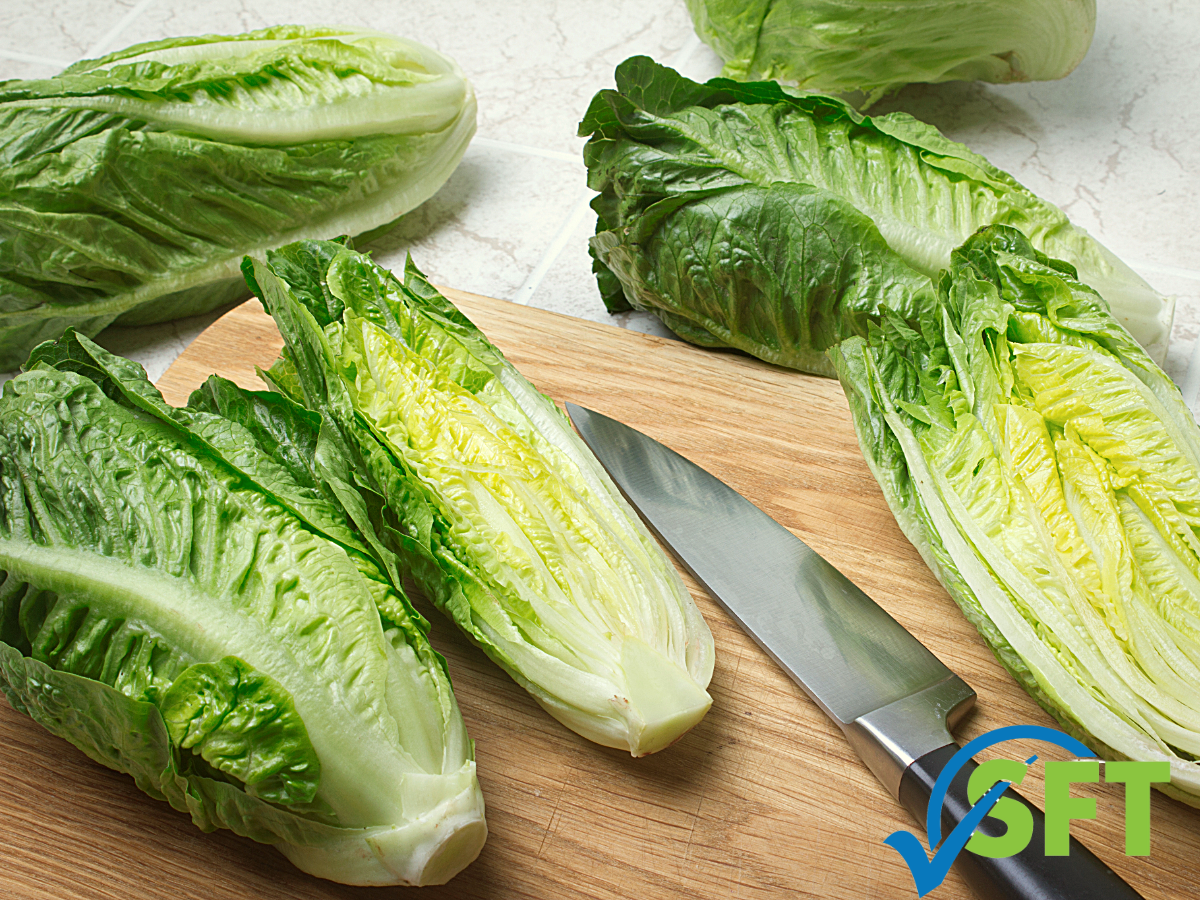
        • Washing: Wash whole heads of lettuce thoroughly under clean, running water before they are cut. Do not re-wash products that are packaged and labeled as “ready-to-eat.
        • Cross-Contamination: Use dedicated, sanitized cutting boards, knives, and utensils for all produce to prevent contact with raw meat or other contaminants.
        • Hygiene: Ensure all staff follow impeccable handwashing procedures before and after handling produce.
        • Prioritize Temperature Control: The moment lettuce is chopped or cut, it must be maintained at or below 41°F to inhibit bacterial growth. Regularly monitor and log temperatures in your storage units to ensure compliance and safety.

        The role of a Certified Food Protection Manager extends beyond daily operations. It’s about creating a culture of safety and vigilance. These recent outbreaks with romaine lettuce and E. coli are a clear signal that we must continuously refine our standards.

        Protect your customers and your reputation. If you and your team need to renew your credentials or achieve initial certification, consider our personalized 8-hour food manager courses. Safe Food Training offers expert, instructor-led options tailored to the specific needs of professionals in Minnesota. Book your continuing education or initial certification training now.