The Dirty Truth About Food Safety Managers Air Drying Dishes

The Dirty Truth About Food Safety Managers Air Drying Dishes

When training staff how to wash dishes by hand or proper procedures using a warewashing machine, food safety managers should always teach air drying dishes completely before they are put away. It may be tempting to stack drying dishes to save space or use a clean towel to speed up the process, but air drying offers the safest way to dry dishes from a food safety standpoint. In order to make this common practice it helps to explore the science behind air drying dishes in your kitchen versus other methods.

The Science Behind Air Drying Dishes for Food Safety Managers

Some food service employees may think that “dry is dry,” so why does it matter how we get there? Why can’t we simply use a towel or just put dishes away as soon as they’re done being washed?

Towel drying clean dishes produces a major cross-contamination risk and actually soils the dishes as you dry them. Imagine using the same bath towel every time you step out of the shower, but you’re showering hundreds of times a day. We’re not sure what you’re doing to require that many showers, but what you do on your own time is up to you.

Over the course of continued use, a damp towel can harbor bacteria, sanitizer solutions and be a breeding ground for foodborne illness culprits. All it would take is for one contaminated plate for your entire warewashing inventory to become a food poisoning nightmare.

Stacking your dishes before they dry is also a recipe for disaster. Most sanitizer solutions need to air dry to fully evaporate off of the surface of dishes. Stacking your dishes could trap the moisture and sanitizing solutions together increasing the risk these chemicals might come into contact with a customer’s meal. If moisture is trapped between stacked dishes for great lengths of time, it can also attract bacteria, mildew and even insects, so make sure dishes dry completely before storage.

Experienced food safety managers know the best solution to air drying dishes is to provide a stainless steel drying rack where dishes can be stored to dry. Make sure all dishes have space for air to travel through to promote drying and never line the shelves with towels or other materials that may absorb moisture and promote bacteria growth.

Do you have a well thought out solution for air drying your clean dishes?

How To Create A Culture Of Food Safety

How to Create a Food Safety Culture

Certified ServSafe food managers have the duty to ensure that the food they serve is safe and that their operation adheres to the Minnesota food code, but can they do more to make food safety a habit rather than simple compliance? Creating a culture in your establishment that promotes food safety rather than code compliance greatly reduces the risk of spreading foodborne illness.

How to Create a Food Safety Culture
Image credit: 123rf

Five Tips for Creating a Food Safety Culture

Keeping your entire staff focused on food safety improves awareness concerning foodborne illness risks and keeps food safety on everyone’s mind. Here are five ways ServeSafe food managers can build a food safety culture in their businesses:

  • Management Modeling
  • Explain the Science
  • Ease Access to Food Safety Tools
  • Keep Logs
  • Bring in and Expert for Training

A food safety culture starts at the top, and ServSafe food managers need to lead by example. If you model a pro-food safety attitude, your staff is sure to follow. If your staff sees that food safety is serious, and they know why, then they’ll be more diligent in keeping food safe. Beyond modeling food safety, explaining the science behind food safety regulations helps show the consequences of lax attention to food code rules. Make sure you not only demonstrate how, but explain why your food safety procedures have been implemented.

If you are trying to promote food safety values, it’s also important that your staff has easy access to the tools and record keeping logs that aid in keeping food safe. Make sure every station is stocked with the equipment to prevent bare-hand contact, test temperature of hot and cold product and sanitation. If there’s no readily available equipment to follow food safety procedures, the chances for taking shortcuts increase. You should also consider making record keeping logs available. Temperature logs for held food, product dating notebooks and inventory control logs will paint a visual picture of important procedures that keep food illness risk low.

Finally, an outside view of your establishment can open your staffs eyes to food safety risks they may not have been previously aware of. Bringing in a third-party expert for on-site training tailored to your unique facility gives you a focused look at how food safety can work in your food business.

How do you foster a culture of food safety in your establishment?

New Food Safe Managers Training for Color Coded Cutting Boards

New Food Safe Managers Training for Color Coded Cutting Boards

Cross contamination causes numerous foodborne illnesses every year, and food safe managers need to take steps to train their staff on the risks and provide the tools necessary to prevent sickening guests. Rather than using generic white cutting boards, food safe managers may want to look into different colored cutting boards with designated purposes to greatly reduce cross contamination risks.

New Food Safe Managers Training for Color Coded Cutting Boards
Image credit: Hygiplas viaBigomart

How Food Safe Managers Can Train staff To Use Colored Cutting Boards Reduce Foodborne Illness Risk

While you can properly wash, sanitize an utilize generic cutting boards for any purpose, there’s often a chance that a cutting board can be mistakenly used for raw product and then prepared food or a board may be contaminated with an allergen that only one member of the kitchen is aware of, increasing the risk of it being used again. Purchasing color coded boards will clearly identify what type of product can be used on each cutting board. There are a few different patterns, but the most common codes are:

  • Green: Raw Vegetables
  • White: Cheese and Dairy
  • Red: Raw Meat
  • Brown: Raw Seafood
  • Yellow: Raw Poultry
  • Blue: Finished Product
  • Purple: Allergen Free

As you can see, food safe managers and their staff can clearly identify what product has been prepared on each board if the system is followed. A blue board that has been left out had obviously been used for cooked product while red, brown and yellow are warning flags that there is increased risk of cross contamination with raw product should that board be used for any other purpose.

We’ve looked at several sets available on the market, and many neglect the risk of allergen contamination. We strongly advise food safe managers look into purchasing a purple or uniquely colored cutting board that is reserved only for use in the event a guest with known allergies requests food be prepared on an allergen free surface.

The color code isn’t always a catchall, however, if you’re in doubt as to if a board is contaminated or not, take the time to wash it before using.

Do you use color coded cutting boards to prevent cross contamination?

Free Look At Food Safety Training For Salad Bars

Free Look At Food Safety Training For Salad Bars

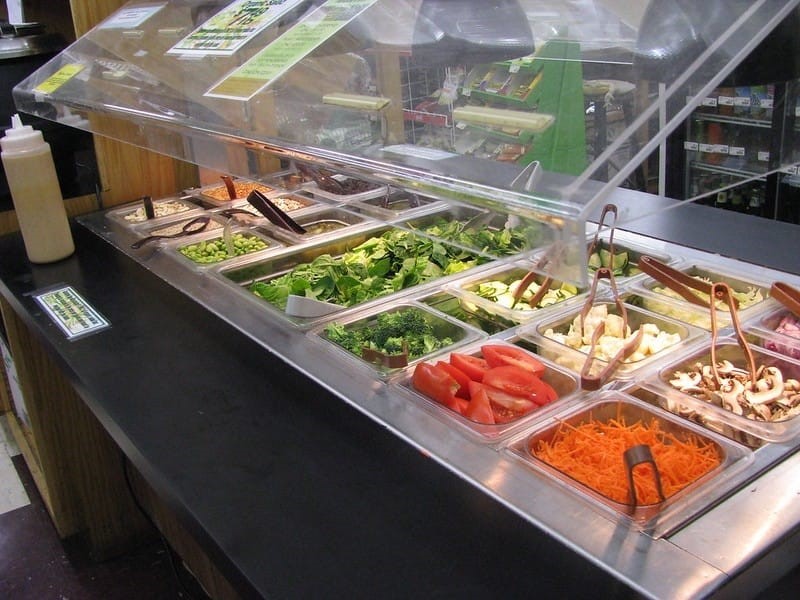
Salad bars are popular options for guests who enjoy customizing their salads or like to peruse options before choosing their ingredients. Whether in a restaurant, school, hospital or other location that offers a salad bar service, certain food safety training measures must be taken in order to keep the fresh ingredients safe to eat. Let’s take a look at a few basic food safety training steps you should take if you operate a facility with a fresh salad bar.

Free Look At Food Safety Training For Salad Bars
Image credit: NatalieMaynor via flickr

Food Safety Training Tips to Salad Bars Free from Foodborne Illness Risks

When considering a salad bar, the first thing you must examine is the equipment that will be used when in operation. Salad bars should be contained within a refrigerated unit, or a stainless steel bin capable of holding enough ice to keep ingredients cold. These bins or countertop inserts should have adequate drainage for ice melt and be certified by appropriate restaurant equipment standards. Make sure your product is completely contained and submerged deep enough in the ice to keep food below ice level and that no product is directly stored in the ice bins themselves.

Once you have the proper equipment, steps must be taken to keep food cold. Whether you have a refrigerated unit or product stored in ice, frequent temperature checks should be made to ensure that all ingredients are stored at less than 41 degrees.

Finally, make sure that all product is properly rotated so that old product and new product are kept separated. Even if it’s one sad, lonely hunk of feta cheese left behind with new product, contamination could spread. Every time a container is emptied or refreshed, we strongly recommend exchanging it for a clean one.

Do you have any tips on how to keep salad bars fresh?