Fantastic New Food Service Manager’s Guide for Mask Enforcement

In order to comply with Stay Safe MN guidance, restaurants are required to ask guests and staff to wear a properly fitted face-covering in indoor settings. For the most part, customers will automatically adhere to these guidelines, but there are some that will argue or refuse to follow them. What should food service managers do in order to comply with mask enforcement guidelines and prevent an incident with an unruly guest who refuses to wear a face-covering in dining areas?

Food Service Manager's Guide for Mask Enforcement During Covid-19

How Food Service Managers Can Promote Mask Use Without Confrontation

Food service managers have enough on their plate as it is, so dealing with customers who refuse to follow mask mandates adds additional frustration during already trying times. We have a few suggestions that may ward off a confrontation before it begins.

Food service managers should have clear signage that masks are required indoors. Customers should be made well aware of that before they even set foot in your establishment. Since reservations are required for indoor dining, guests should be reminded when making these reservations that that will not be allowed in the building without a face covering. We’d also recommend that you provide curbside pick-up and let potential guests know that to-go orders are available. If you have these options available, those who do not wish to wear masks will have the ability to order from your restaurant without stepping foot inside.

People are usually understanding if they know ahead of time that these rules are in effect, so making it abundantly clear could go a long way towards preventing frustration.

We’ve talked to a few restaurateurs who have had customers try to use a couple of popular lines of reasoning in order to enter dining rooms without face coverings. The two most common reasons guest attempt to boycott face coverings are:

  • Violation of Constitutional Rights
  • The Americans with Disabilities Act

From a legal standpoint, the First Amendment of the Constitution does not apply to private residences or businesses. To put it simply, the First Amendment applies to the U.S. government restricting speech, not your private business. Food service managers can refuse to serve those not wearing a mask without violating their Constitutional rights.

The ADA does require restaurants to make accommodations for those with disabilities unless doing so would impede their ability to safely serve other guests. Since CDC guidelines state that asymptomatic COVID-19 carriers could spread the disease, it’s a food service manager’s duty to make sure masks are worn. In this case, recommend curbside pick-up or to-go orders if you have a guest who may not be able to breathe for long periods of time while wearing a face covering.

How are you communicating mask rules to your customers?
Certified Food Protection Managers, COVID-19 and HVAC Systems

Special COVID-19 regulations on HVAC for food protection managers

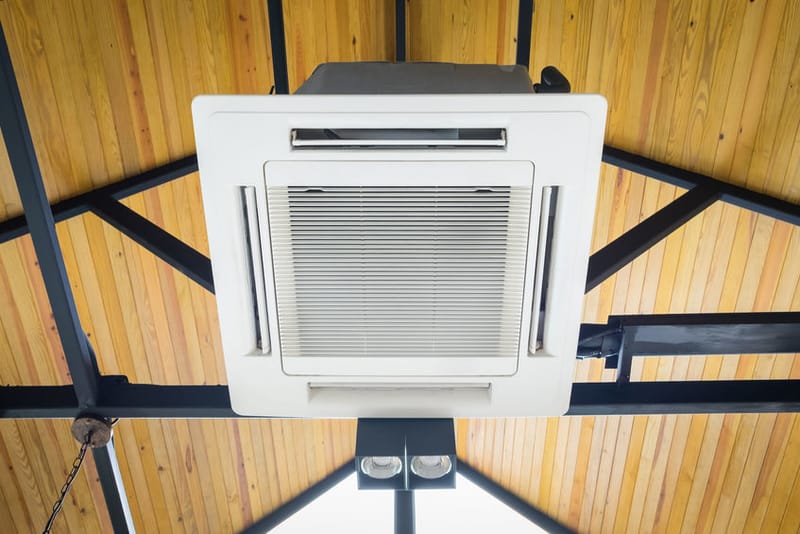
As we continue to reopen restaurants, bars and other eating establishments, certified food managers now have both the responsibility to keep the food they serve safe and to help prevent the spread of the Corona Virus. We’ve covered protocols such as social distancing, limited capacity and the reservation requirement, but the guidance provided in the Stay Safe MN for food businesses details more than just how to serve your guests. This guidance also involves specific rules regarding the ventilation systems in eateries, we’d like to take the time to outline Minnesota’s guidelines for HVAC systems during COVID-19 restrictions for certified food protection managers in food businesses.

Image credit: 123rf Worawut Kertchot 

Certified Food Protection Manger’s Guide for COVID-19 HVAC Regulations

The Stay Safe MN plan has four basic rules that certified food protection managers should initially consider concerning their current HVAC system:

  • Can the outdoor air percentage be increased to reduce reliance on circulated air?
  • If your establishment relies on recirculated air, are your filters MERV-13 or better?
  • Have my HVAC filters been replaced before reopening?
  • Have I had an HVAC professional evaluate my ventilation?

The theory behind some of these rules is that if we can provide an environment the lowers the risk of COVID-19 circulating through our air, we might be able to greatly reduce the risk of infection. If we limit the amount of recirculated air and introduce air from the outside, the atmosphere in our dining areas are constantly diluted and replaced with fresh air from the outside. In an environment where air is constantly recirculated, we run the risk of simply recirculating contaminated air.

If you must rely on recirculated air, there’s no reason to give up hope of reducing the risk of the spread of COVID-19 in your establishment. The recommends your filters be MERV-14 rated, however, MERV-13 filters are allowed. Your filters also should be replaced before reopening. Not only should filters be replaced, but you must also ensure they’ve been installed properly in order to prevent air from bypassing the filters and entering your dining room potentially contaminated.

Finally, it’s important to have a trained HVAC professional evaluate your system. As a certified food protection manager, Certified Food Protection Managers already have a lot on your plate, especially during COVID-19 restrictions, so bringing in someone who is more prepared to evaluate your HVAC system, change filters and make any adjustments necessary would be prudent.

Have you made sure you’re ventilation system is compliant with the Stay Safe MN plan?

Food Safety Managers and Stay Safe MN Regulation Compliance

At Safe Food Training, our ultimate goal is to educate for food safety managers on current food safety regulations, and sometimes that includes discussing current restrictions put on foodservice businesses during these trying times. It’s not our goal to provide commentary on these rules and government actions, but it’s vital to discuss these issues to keep food businesses open and operating under current conditions. In response to outbreaks of Corona Virus linked to food establishments, Governor Tim Walz indicated that bars, restaurants and other food-related businesses would be shut down for failure to adhere to COVID-19 dining restrictions. This week, we’ll take a look at how food safety mangers can comply with Stay Safe MN regulations to avoid potential closure.

Food Safety Managers and Stay Safe MN Regulation Compliance
Image credit: pxfuel

How Food Safety Managers Keep Food Businesses Open During Stay Safe MN

The ability to track Covid-19 infections and outbreaks has greatly increased over the past few months, and one thing the data shows is that food establishments, bars and clubs, in particular, have the potential to be spreader locations for the disease. It’s not just an isolated incident at a few bars in Minneapolis or even in our own state. The governors of Texas and Florida have chosen to close bars completely and scale back restrictions on dining, and Arizona eating establishments are facing more restrictions due to the spread of the Corona Virus. Due to the range of rules in place and differing philosophies of the governing bodies of states showing an increase in infection rates, this may not be a trend based on any one initial response to the controlling the virus.

Since this seems to be a widespread response to the epidemic, how can food safety managers balance keeping their guests safe, generating revenue and remaining open?

The prudent thing to do to keep your doors open during these times is to adhere to regulations. An attitude of compliance throughout the food industry may give governing authorities the sense that the foodservice industry is dedicated to beating COVID-19 and they’ll come to tout food safety managers and eateries as allies rather than businesses that need further monitoring and enforcement. Whether closed due to further outbreaks or noncompliance, a shuttered establishment brings in no revenue, so we should do our part to keep food businesses open.

Our hope is that these Stay Safe MN rules and regulations are based on the best science available, and at this time we have to trust that these limitations will lead us to days where we can see our local foodservice industry flourish and be a vibrant part of Minnesota communities.https://minnesota.safefoodtraining.com/?p=2190

Certified Food Safety Managers and Plastic Reduction

food safety managers plastic reduction

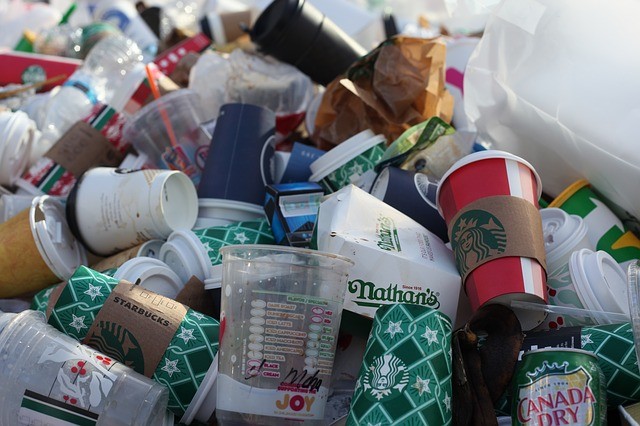
Over the past few years, some jurisdictions have sought to reduce the amount of plastic used in the foodservice industry, and while some businesses have been hesitant to make the change, many have embraced it. Eliminating plastic appeals to a wide selection of environmentally conscious consumers and can also potentially reduce the amount of waste your business produces. This week, we’ll cover a few plastic reduction alternatives certified food safety managers can utilize in their establishments.

food safety managers plastic reduction
Image credit: maxpixel.net -Coffeetogo

Plastic Reduction Alternatives for Certified Food Safety Managers

If you were to take a quick tour of any restaurant, you’d find a number of plastic items. To-go boxes, bags, straws, utensils and take-out serving dishes are all commonly made from plastic. Whether you’re voluntarily reducing your plastic usage or your local jurisdiction has passed codes and laws preventing plastic use, your certified food manager will have to find alternatives for these types of items. Here are a few solutions that you can employ to replace plastic necessities in your facility:

  • Paper and compostable boxes and bags
  • Reusable takeout containers
  • Biodegradable utensils and straws

In the past, plastic bags and Styrofoam to-go containers have been go-to packaging for guests looking for take-out or a way to bring leftovers home. With current trends, many different manufacturers have started producing paper bags and compostable boxes that are either easily recyclable or will break down over time rather than take up space in a landfill. These items may cost a little bit extra, but as more companies produce these products costs should begin to decline.

With the latest update to the Minnesota Food Code, the rules concerning reusable containers have been updated and more clearly outlined. Reusable containers not only reduce plastic waste, they give you the opportunity to sell or provide your guests with reusable take-out containers with your logo and branding on them. This can not only help to conform to local plastic reduction codes but provide a valuable marketing tool for certified food managers to draw repeat business from loyal guests.

Straws and utensils such as forks, spoons and knives present unique challenges since many consumers prefer a sturdy utensil that won’t break during use. The good news is that many companies are now producing durable wood alternatives and great advances have been made to produce robust biodegradable utensils that can easily replace plastic.

Are you making an effort to reduce plastic waste in your facility?