The Best Option For Certified Food Protection Manager Training

Evaluating the best option for certified food protection manager training

With current Stay Safe MN regulations, in-person certified food protection manager training has been stalled over the months of the shutdown to slow the spread of COVID-19. Now that we’re beginning to reopen, should those seeking certified food protection manager training flock to instructor led courses or choose the on-line option?

Evaluating the best option for certified food manager training in MN

Instructor Led Certified Food Protection Manager Training Versus Online Sessions during the Pandemic

The first advice we want to give you is to make sure that you’re up to date on your certifications. Don’t wait until the economy completely opens up to seek out training if your certification has lapsed. We’re still bound by the Minnesota food code rules on the role of an active certified food protection manager in our food processing facilities and restaurants.

There is some good news for those seeking renewal during these times. The Minnesota Department of Health is allowing for a six month grace period to submit your renewal application after your current certification has expired. This means that you can still actively perform your duties for six months even after expiration.

While this grace period is generous, we shouldn’t take advantage of it and neglect our renewal training. That is why we’re recommending that those seeking first-time certifications and renewals utilize online certified food protection manager courses. Online courses can be taken from the comfort of your own home and at your leisure. Completing online food safety training can greatly speed up the process of gaining your certification or renewal.

Online food manager certification training is unfortunately the best and most recommended training option at this time. Due to limitations on training venue availability, social distancing regulations and mask mandates, instructor led courses just cannot be run at the same capacity, frequency and effectiveness as they once were.

If you need help with online certification or have questions about how to obtain your renewal, don’t hesitate to contact Safe Food Training with your questions. We’ll do our best to provide any information you require.
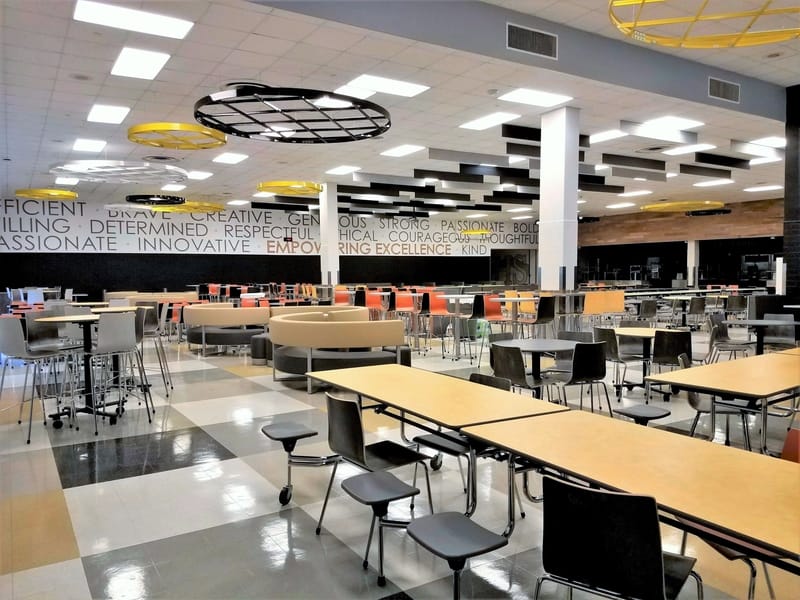

ServSafe Food Managers and the Return to School Cafeterias

As we roll into the fall season, some school districts in Minnesota are either set to return to the classroom or developing Stay Safe MN action plans to welcome their students back on campus at future dates. While there’s plenty of information in the official document concerning social distancing, sanitation in the classroom and other COVID-19 protection protocols, ServSafe food managers working in schools may have to dig a little deeper to find how to safely operate their food service in their school. Let’s discuss some of the protocols we’ve found that school cafeterias will need to adhere to.

Image credit: Wikimedia Commons

Safe Cafeteria Service for ServSafe Food Managers

One of the first things we noticed is that the Stay Safe MN guidance for schools is that the document only makes a few comments on school lunches before pointing school ServSafe managers to the Stay Safe MN guidance for restaurants and bars. If you work in a school cafeteria, you’re probably well aware that there are numerous differences between the two types of foodservice.

Let’s take a brief look at three key factors school meal programs are dealing with while opening back up for students:

  • Social distancing
  • Distribution of meals to students
  • Sanitation of dining areas

While adults, teens and older kids have had the summer to get used to social distancing protocols, some of the younger children returning to school may have trouble with the concept. Many kids are social and want to spend time with the friends they’ve missed since the sudden cancelation of the school year last spring, and a wide-open cafeteria increases the chances for close contact for an extended period of time. Many school districts around the country are recommending that meals and snacks be served in the classroom to avoid close contact and unmasked interactions during meal periods. If student desks are arranged in a proper manner, it may be easier to serve school meals and meet social distancing requirements in a classroom setting. This also allows for easier sanitation if students remain in the same areas throughout the day. An influx of new students for every meal period could put a strain on school staff as they try to sanitize lunch areas with every transition.

Under current regulations, ServSafe food managers will have to avoid self-service cafeterias in schools. This will avoid students gathering near a buffet line and help keep dining areas sanitized between lunch periods. Protocols seem to suggest that pre-packaged meals are the safest way to serve meals in school. If this is not an option, meals must be served directly to students with limited interaction between students and staff.

Do you have a plan for meal service once students begin returning to campus?

Important Food Safety Training And Managing Expiration Dates During COVID-19

Food safety Training and Managing Expiration dates

With current regulations regarding COVID-19 and many people choosing to eat at home rather than frequent potentially crowded areas, restaurants have seen a steep decline in the volume of guests they serve. With this decreased volume comes the risk of product, raw and prepared, sitting in a refrigerator too long. This may cause the potential for spoilage and the spread of foodborne illness via bacteria growing in outdated foods. It’s especially important to provide your staff with appropriate food safety training regarding managing expiration dates and proper labeling of prepared product.

Food Safety Training and Managing Expiration Dates
Image credit: Feng Yu  via

Managing Expiration Dates, Labeling and Proper Food Safety Training

Fresh product doesn’t last forever, so it’s important to note expiration dates on raw ingredients. Some ingredients to pay extra close attention to include:

  • Produce
  • Dairy
  • Proteins
  • Seafood
  • Ready-to-eat Foods

Produce is one of the most susceptible products to mold, mildew and risk or bacteria from rotting. Keep a close eye on produce even if it hasn’t reached its expiration date. Any fruits or vegetables that show signs that they may be questionable should be disposed of.

Dairy is another product which causes a foodborne illness risk when expired. Just like produce, make sure you adhere to the expiration dates and dispose of dairy products of questionable quality.

Meats and seafood pose a substantial food safety risk when expired. During low volume, we’d recommend bringing in frozen proteins, especially fish and poultry, in order to more closely control the amount of product in your walk-in refrigerators. Pulling and thawing just enough product for a couple of days at a time will lower risk of spoilage, reduce waste and keep your inventory under control. Just remember your food safety training and thaw product according to Minnesota health regulations.

Finally, label and date all ready-to-eat foods. If you’ve brought in ready-to-eat foods from an outside source, take note of the expiration date on the package and do not use once expired. With ready-to-eat foods made in house, the food code allows for proper storage for up to seven days. This is why a well-planned date marking system should be utilized in your establishment. Just remember, some sensitive foods may not have a seven-day shelf life, so plan accordingly. During times of low volume, it may be prudent to reduce pars on ready-to-eat foods to reduce the risk of spreading illness.

Are you doing regular food safety training to remind your food prep staff to manage expiration dates and date markers?

Powerful Staff Training Tips For ServSafe MN Food Managers During COVID-19

Staff training tips for SerSafe MN for food managers

With the ever changing landscape of protocols in the Stay Safe MN guidance for restaurants, it can sometimes be difficult for ServSafe food managers to find the time and space to educate their staff on current protocols. With limits on staff members allowed on site, mask mandates and social distancing regulations, ServSafe food managers will be required to get creative when training their staff about the new protocols in place during these challenging times. This week, we’d like to take a look at a few resources ServSafe MN Food Managers can utilize to provide effective staff training and adhere to current standards.

Image credit: Pikist

Hints for ServSafe MN Food Managers On Staff Training During Corona Virus Restrictions

Due to the limits on personnel on site, ServSafe MN food managers may want to consider some form of virtual staff training to share new updates from Minnesota’s guidance for bars and restaurants. This can bring together larger numbers of staff members than are possible in person given current circumstances. Virtual training may be a challenge, but the good news is ServSafe food managers can access a number of free, easy-to-use, web conferencing services to bring their staff together from remote locations. Some of the most convenient services are available in both mobile and PC versions. We recommend checking out:

All three of these services are free and easy to set up The only catch is that ServSafe food managers and their staff will have to create an account with one of these services if they don’t already have one.

Using these services, you can easily train multiple staff members at the same time before or after work hours and prevent the need to account for social distancing and occupancy restrictions.

Finally, we should alert you to some free COVID-19 specific staff training that is being made available by ServSafe MN. There are quite a few videos and training sessions that are available for free that you and your staff can view from home. Remember that these are national ServSafe guidelines, so you may wish to compare their information with current Minnesota guidance.

How are you, as the ServSafe MN food manager dealing with staff training for challenges under current Stay Safe MN regulations?