food managers enjoying meal benefit

The Most Astonishing Food Manager Debate About Meal Benefits

One of the perks of working in the food industry is being around creative professionals. This often means occasionally sampling some of the great cuisines your restaurant has to offer. Many restaurants offer their employees free or discounted shift meals, while others prefer employees to bring in their meals. We want to examine three different schools of thought on meal benefits we’ve heard discussed in our food manager certification courses.

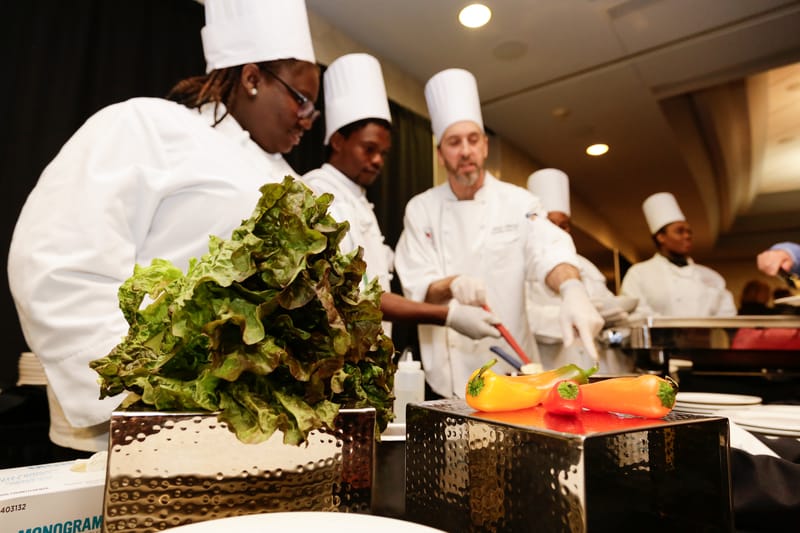
Food managers enjoy their inhouse meal benefit
Image credit: jackf via 123rf

Food Manager Debate Shift Meal Benefit 

When it comes to providing employee meal benefits in the restaurant industry, kitchen food managers have several options. Here are what we have found to be the top three prevailing systems:

  • Employees should be on their own and eat at specified breaks
  • Employees can order menu items at a discount
  • A special employee meal is served before or after service

One idea we hear from time to time is that restaurant professionals should be treated like professionals from other industries. Why should a restaurant owner use their profits to offer free meals to employees that are not typically available in other professions? Especially when they already provide all the standard benefits associated with different jobs? The downside of this option is that many restaurants choose to provide meals or discounted menu items for their employees. We’ve heard that this system may reduce employee morale when staff members compare the no-meal policy with other restaurants’ treatment.

Some outlets allow employees to order off the menu at a discount when they are off the clock. This allows the staff members to eat at a reasonable price and sample the cuisine served at their workplace. Restaurant managers often choose this meal perk to find a middle ground between making employees pay for their meals and providing a complimentary shift meal.

The Safe Food Training Favorite

Our top choice is the family-style staff meal served before or after shift hours. This brings employees together and may be a great time to test specials and explore new menu concepts. If you choose this method of providing meals for your employees, keep in mind that it could also offer the opportunity to reduce waste by repurposing some of your inventory surplus. We also find that a well-fed employee tends to be a satisfied employee.

If you’re a restaurant owner or food manager, we’d like your thoughts on meal benefits. Please feel free to leave your thoughts in the comments section.

Taking a Break from Food Safety Certification to Enjoy the MN State Fair

Taking A Break From Food Safety Certification For The Unparalleled State Fair

It’s August again, meaning it’s just about time for the Minnesota State Fair. During the State Fair, we take a break from food safety certification MN training and HACCP testing to take in this once-a-year event’s sights, sounds, smells, and tastes. There is something for everyone, from ogling prize-winning agricultural feats to taking in concerts to finding the most audacious, rule-breaking, deep-fried items on a stick. This week, we’d like to share exactly why we think our fair is the best the country has to offer.

Taking a Break from Food Safety Certification to Enjoy the MN State Fair
Image credit: commons.wikimedia.org

Creative Cuisine at the Minnesota State Fair

Every state says its state fair is bigger and better than the rest, but we Minnesotans believe otherwise. Our state fair offers a great blend of entertainment on the grandstand, incredible horse shows, and a wide array of the best arts and crafts the Midwest has to offer. Still, one of the things that we enjoy the most is the innovation the local food community puts on display.

In the past, the state fair has become known for vendors pushing the envelope when putting food on a stick. With so much to do, there is little time to waste on taking in a sit-down meal. That makes food on a stick the choice of most fair patrons. We’ve seen quite a few creative offerings in the past, such as:

  • Any battered and deep-fried candy
  • Sausages and corn-dogs
  • Sushi
  • Fried olives

Of course, the food on a stick doesn’t stop at deep-fried cuisine. Desserts such as s’mores, waffle-wrapped ice cream balls, and other sweet items are readily available. Some of our local craft brewers have also found inventive ways for fairgoers to purchase sampler flights on a stick.

MN State Fair Food Safety Certification Note

We just said we’re taking a break from food safety certification training. However, we feel obligated to point out that fair attendees should know that every Minnesota State Fair food vendor must comply with the same food safety requirements as year-round establishments.

But the fair isn’t just about inventive deep-fried cuisine. There’s also the regionally famous canning and preserve competition, as well as the always intense and mouth-watering baked goods contest that has entry levels for all age groups and any baking style you could imagine.

We’re looking forward to seeing what creative cuisine on a stick vendors create this year and which baked good takes home the best in show. What’s your favorite food moment at the Minnesota State Fair?

Tasting According to Food Manager Certification MN Training

Food Sampling Procedures You Need To Know In Food Manager Training

We discuss product sampling in depth at Safe Food Training during food manager certification MN training. To consistently deliver high-quality food to your guests, it is crucial to taste or sample every dish, sauce, or prepared product to ensure that it meets your high standards. We must emphasize the importance of following the correct procedures when sampling your food product.

Food Sampling According to Food Manager Certification MN Training

 Food Sampling According to Food Manager Certification Training 

Food on the line must be tasted numerous times per shift to ensure each guest receives a quality meal. It is important to understand that something as simple as tasting can create a food risk. There are a few things that you should never do when tasting your cuisine in the kitchen.

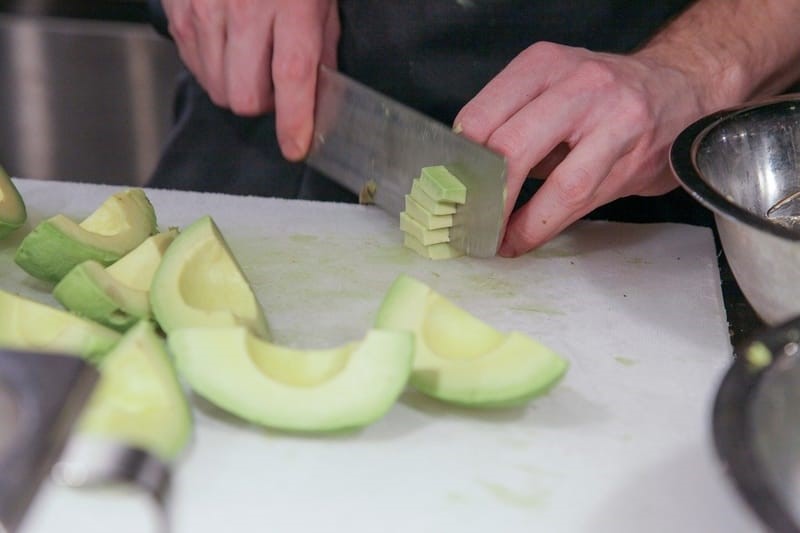
  • Never use your fingers
  • Never double-dip a tasting spoon
  • Never use a stirring spoon to taste
  • Never lean over a pan or plate while tasting

This ” don’ts” list should be self-explanatory to the experienced food service worker. Touching a guest’s food with a bare hand, reusing a tasting spoon, and creating a scenario where food can drip from your mouth into a prepared product generate the potential for contamination. If you’re a food manager, you need to make sure your staff clearly understands the right and wrong way to taste the food they produce and give them the tools to do it safely.

Sampling Spoon Accessibility

To comply with the MN food code, we recommend that food managers supply your staff with ample food-tasting spoons stored above the food production line. Store them in a clean container to prevent contact with food or potential contaminants before use. Many restaurant workers store tasting spoons in their jacket or apron pockets to be close at hand when needed. We recommend that you train your employees not to store tasting spoons in their pockets. They risk coming into contact with food product or bare hands, and an increased potential of cross-contamination can result.

If you’re preparing a sample of a daily special or new menu food item, your staff should taste it away from the production area. This practice falls under the category of eating in the kitchen in the Minnesota Health Code. The food protection manager should move this process away from the production line.

Tested Advice On Handling A Food-Borne Illness Outbreak For CFPMs

Minnesota has had no major food-borne illness outbreaks in the last few months. However, in 2023, Minnesota was at the center of a salmonella outbreak that killed two people in our state. While we hope that your establishment is never the cause of a food poisoning case, we felt it necessary to discuss what CFPMs should do if a food-borne illness outbreak occurs.

handling a food-borne Illness Outbreak for CFPMs
Image credit: lightwise via 123rf

Most customers will never know what you do behind the scenes when your food is being served safely and free from contaminants. However, if your guests begin getting sick, the public will quickly learn you have had food safety problems.

CFPMs and Food-Borne-Illness Outbreaks

 
The first thing any certified food protection manager should do if a guest becomes ill is assess the situation. Find out exactly what your guest consumed, and make sure to examine any of the remaining product in your inventory. If it is evident that your supply has become contaminated, stop using it immediately. Ensure it’s stored at the right temperature and hasn’t come into contact with compromising sources. If you have stored it properly, you may wish to contact your supplier to inform them that you have received a contaminated product.

If an illness spreads beyond a single guest, it could indicate a more serious situation. The certified food manager should collaborate with the local health department to identify the cause if there is a suspected food-borne illness outbreak. It’s important to keep in mind that the health department is there to help you ensure the safety of your food for your guests. By being honest and not concealing any information from them, they can offer valuable assistance in addressing food safety issues that have resulted in your customers receiving contaminated food.

Finally, consider bringing in a professional to provide your staff with a refresher course on food safety. Safe Food Training can tailor a CFPM lesson plan to address your specific situations. For example, SFT can create a segment to handle a suspected food-borne illness outbreak. We can even come to your place of business to train your entire staff.

Fix It and Prevent a Recurrence

When a food safety issue affects the public, immediate and dedicated action is necessary to fix the situation and prevent it from happening again.

We never like to see any restaurant or food producer in the news due to a food-borne illness outbreak. Quality training and diligence are the keys to food safety. Feel free to contact Safe Food Training if you would like to schedule specialized training for your staff.