Get your MN kitchen compliant with our state-approved Certified Food Protection Manager Training. We’re offering headache-free 8-hour initial courses and 4-hour renewals.

Uncharted Flue Season for MN food safety managers

Uncharted Flu Season Warning For MN Food Safety Managers

Food safety managers in Minnesota and the rest of the world have had to take unprecedented precautions due to the COVID-19 pandemic and now are faced with balancing those precautions as well as monitoring employee health and hygiene as we approach the flu season. Due to the convergence of these two potentially debilitating illnesses, what can MN food safety managers do to protect their staff and their guests?

What can MN food safety managers do to protect their staff and their guests from the convergence of COVID19 and Influenza?
Image credit: Sorin Ciprian Suciu via 123rf

How MN Food Safety Managers can Prepare for Flu Season

While there is some speculation that COVID-19 precautions may help keep flu numbers low, it’s still very important to educate your employees on workplace food safety protocols surrounding influenza. The good news is that there is a great deal of overlap when it comes to influenza prevention and Coronavirus prevention. Food safety managers should remind employees of a few health and hygiene practices:

  • Wash hands often
  • Never work when sick
  • Return home for work if symptoms begin on the job
  • Wait at least 24 hours after symptoms vanish before returning to work

These should be standard practices in any food production business, no matter what the circumstance. MN food safety managers should not just assume that their staff will follow these rules, they should monitor the health and hygiene practices of their staff. Make sure that you post proper handwashing posters at all handwashing stations and monitor these stations often to make sure they are fully stocked with soap and paper towels. You should also take the time to verify that each handwashing station is supplying hot water.

Employees should be reminded that they should never work with symptoms of illness, flu or otherwise. Fevers, headaches, coughs, runny nose and other symptoms are red flags when it comes to influenza. Remind them to be extremely cautious and call in sick should they be displaying symptoms, no matter how mild. If symptoms begin while at work, food safety managers should make sure the potentially ill employee is sent home.

Finally, it’s important to wait at least 24 hours after recovering from flu symptoms before returning to work. Just because an employee wakes up feeling better than they did the night before, it doesn’t mean that they are no longer contagious. Considering the potential for a public health crisis involving both influenza and COVID-19, food safety managers may wish to extend this period to 48 hours before allowing an ill employee to come back to work.

Have you taken the time to remind your staff of good health and hygiene procedures as we roll into the flu season?

Food Safety Professionals and Mental Health during COVID-19

Urgent Mental Health Resources For Food Safety Professionals During COVID-19

COVID-19 has taken its toll on the physical, economic and mental health of working professionals in our country, and the foodservice industry has been especially hard hit. Many restaurants have closed forever, workers have lost jobs and many furloughed and isolated food safety professionals have confessed to overwhelming anxiety, depression, or addiction during these times. where can industry professionals turn in these trying times? We’ve created a shortlist of mental health resources for food safety professionals.

Food Safety Professionals and Mental Health during COVID-19
Image credit: inesbazdar via 123rf.com

Free Mental Health Resources For Food Safety Professionals During COVID-19

The National Restaurant Association has compiled a list of free mental health resources in an effort to help industry professionals who are struggling.

Some of these free resources we’d like to highlight include:

While we encourage struggling food industry professionals to check out the full list of resources the NRA recommends, we’d like to highlight four of them.

Sanvello is an app with self-care resources, connections to other members in the hospitality industry, and coaching to help you get through trying times. With a focus on the hospitality industry, the Sanvello community has the potential to help food safety professionals find relatable resources to ward of anxiety and depression.

With anxiety, depression and isolation come increased risk for addiction or relapse from addiction recovery. Ben’s Friends was founded in honor of a lifelong food safety professional, Ben Murray, whose struggle with addiction led him to take his own life. They are currently offering free Zoom meetings to food and beverage personnel who struggle with drug and alcohol addiction. With a focus on food industry professionals, they have a first-hand perspective on addiction in the industry.

Psych Hub offers comprehensive mental health resources and education that covers a great number of topics. From anxiety to suicide prevention, Psych Hub has an extensive mental health video library to assist those dealing with mental health problems during trying times.

If you need a real person to talk or text with about a mental health crisis, the Crisis Text Line is available 24/7. Just text 741741 anywhere in the United States to be immediately connected to a trained volunteer who will be instantly ready to provide support.

If you or a food safety professional friend are feeling too overwhelmed with anxiety, depression, addiction or any other form of mental health issue that these free resources don’t cover, don’t hesitate to reach out to a professional rather than self-diagnose and self-treat. Mental health is an issue that should never be ignored and neglected.

Certified Food Protection Managers COVID-19 in Food

Should Certified Food Protection Managers Worry About COVID-19 In Food?

The science behind understanding how COVID-19 spreads is ever-evolving and even though we don’t know everything about this virus, we have a general picture of how to prevent its spread. We’ve been told that masks, social distancing and avoiding large gatherings can slow the spread, but should Certified Food Protection Managers be doing anything to prevent the spread of the COVID-19 through the food we produce in restaurants and other food production businesses?

Certified Food Protection Managers Worry About COVID-19 In Food
Image credit: pickpik.com

Certified Food Protection Managers and COVID-19 Spread Via Food

In the early days of the pandemic, researchers had suggested that the risk of transmission through food was small, and a more recent study completed by the International Commission for Microbiological Specification for Foods seems to finally give us some good news on the COVID-19 front by claiming that there may not be a food safety hazard when it comes to the Coronavirus.

These findings are great news for certified food protection managers. As restaurants reopen, they now have the added responsibility of enforcing local health guidelines on top of their other duties, so it takes some pressure off knowing there’s very little chance of the spread of COVID through their food product.

The ICMSF’s study shows that since food enters the human body through the gastrointestinal tract, COVID-19 shouldn’t be considered a food safety hazard since the coronavirus’ method of infection involves contaminated air entering the lungs. According to the study, there has been no substantial evidence of cases of COVID-19 that can be traced back to food. The current theory is that traces of COVID-19 on food and food packaging will lose viability over time and even if the virus were to be consumed with food, it would be destroyed in the digestive process before reaching the bloodstream.

These findings don’t mean CFPMs can relax when it comes to food safety in the kitchen or coronavirus prevention measures. We should still be vigilant in keeping our food safe from all pathogens and providing a healthy dining environment for our guests.

Are you concerned that food may contain a hidden COVID-19 risk?

The COVID-19 Impact On New Restaurant Design For Food Safety Managers

When regulations for the reopening of restaurants rolled out, many food safety managers were left scrambling to meet standards in order to reopen their businesses. Over the course of the reopening processes, we’ve heard speculation that newly opening restaurants are ditching standard designs for plans that already meet or exceed recommendations in preparation for future public health crisis situations. Let’s take a look at some key aspects of how COVID-19 has changed the way food safety managers look at restaurant design.

Post COVID-19 Restaurant Design for Food Safety Managers
Image credit: SynicCorp

How the COVID-19 Pandemic Could Change Restaurant Design for Food Safety Managers

In researching new restaurant designs being implemented today, food safety managers notice three key elements that have been implemented due to current COVID regulations:

  • Greater connectivity to support remote ordering
  • Powerful and upgraded ventilation systems
  • Roomier dining rooms and booths separated by partitions

New restaurant designs are also adding remote ordering kiosks at tables, near pick-up counters and even in parking lots. These types of ordering systems put a toll on Wi-Fi networks, so designers are including plans that result in higher bandwidth possibilities that help integrate the ordering and payment process. at restaurants that previously operated without these systems may have been forced to purchase equipment in order to facilitate remote ordering in their establishments. New restaurant designs seem to be taking care of that for owners and food safety managers before construction even begins.

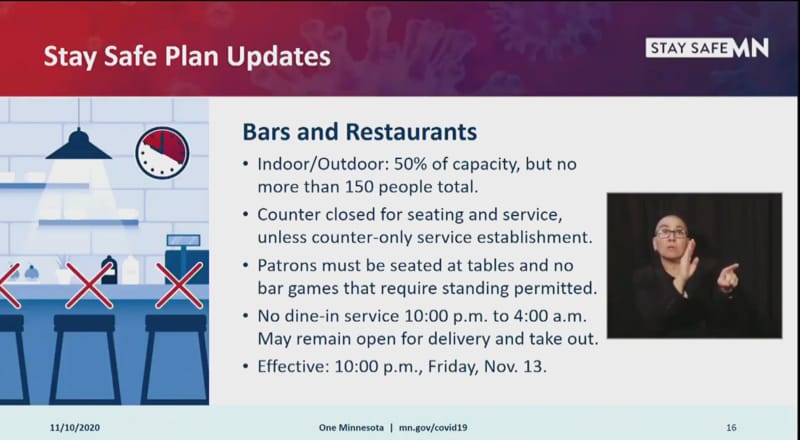
One of the biggest challenges for restaurateurs during these times has been meeting HVAC standards to allow indoor dining. New restaurant designs are being planned with more powerful ventilation in the kitchen and in dining areas. Rather than install HVAC systems that simply meet restaurant construction codes, new facilities are planning ahead by including systems that exceed Stay Safe MN COVID-19 ventilation standards.

Finally, restaurant designers are coming up with plans should social distancing in dining rooms become the norm. Booths are being separated by Plexiglas partitions, more space is being considered in dining areas and even kitchens are being constructed to keep back-of-the-house staff separated while performing their duties.

Have you noticed any other restaurant design trends that the current pandemic has changed to help food safety managers deal with future public health scenarios?