Why Raw Eggs are Refrigerated in the United States

Farm fresh eggs? Don’t leave them out!

As a certified food safety manager in Minnesota, you handle dozens of ingredients every day, but few have a more interesting story than the simple egg. A common question we hear about why you need to store eggs in the cooler in the United States, while they often sit on the counter in European homes. Understanding the answer is a fascinating lesson in microbiology and a critical component of Minnesota food safety. 

It highlights the different yet effective paths countries take to protect consumers from foodborne illnesses. The core of the issue isn’t just a preference. Instead, it’s a regulated process centered on preventing the growth of bacteria, particularly Salmonella.

Why the U.S. Mandates Egg Refrigeration

In the United States, the journey of an egg from the farm to your kitchen involves a mandatory washing process. The purpose of this regulation from the USDA is to remove dirt, fecal matter, and other contaminants from the shell’s surface. While this cleaning makes the egg look pristine, it also removes a natural, invisible protective layer called the cuticle or bloom.

This is where refrigeration becomes essential. Without the cuticle, the eggshell is more porous and susceptible to bacteria entering. To counteract this vulnerability, they enforce a strict “cold chain.”

  • The purpose of washing: The goal is to reduce potential surface contaminants immediately. However, this process sacrifices the egg’s natural, self-sealing barrier.

  • The Role of the Cuticle: This thin coating, deposited on the egg just before it’s laid, seals the pores of the shell, preventing air and bacteria from getting inside.

The USDA Mandate: To mitigate the risk after the cuticle is washed away, federal guidelines require eggs to be refrigerated to below 45°F shortly after being laid and kept at that temperature through transport and storage.

Your Role in Upholding Minnesota Food Safety in Your Kitchen

While national regulations set the stage, your handling practices are where you can maintain safety. For a certified food safety manager in Minnesota, treating eggs with care is a daily responsibility that protects your customers and your establishment’s reputation. It’s about translating regulatory knowledge into consistent kitchen practice.

Applying these principles correctly is a non-negotiable part of professional food service.

  • Receiving and Inspection: When you get an egg delivery, your first step is to verify that they’re clean, uncracked, and have been transported at the correct temperature. Reject any cartons that feel warm or show signs of damage.

  • Proper Storage Technique: Always store eggs in their original carton in the main body of the refrigerator. Storing them in the refrigerator door, where the temperature fluctuates with every opening, can compromise their safety and quality.

  • The Two-Hour Rule: This is a critical control point. Never leave refrigerated eggs at room temperature for over two hours. After this time, the risk of harmful bacterial growth increases significantly.

Beyond Eggs: The Principle of Temperature Control

refrigerate eggs

The science behind refrigerating eggs is a perfect illustration of a broader food safety principle every certified food safety manager knows well: temperature control for safety (TCS) foods. The same diligence you apply to eggs should extend to all perishable items in your kitchen, from dairy and meat to cut melons and cooked starches. Mastering this is fundamental for anyone seeking a food safety certification MN.

Understanding how time and temperature affect various foods is the mark of a well-trained professional.

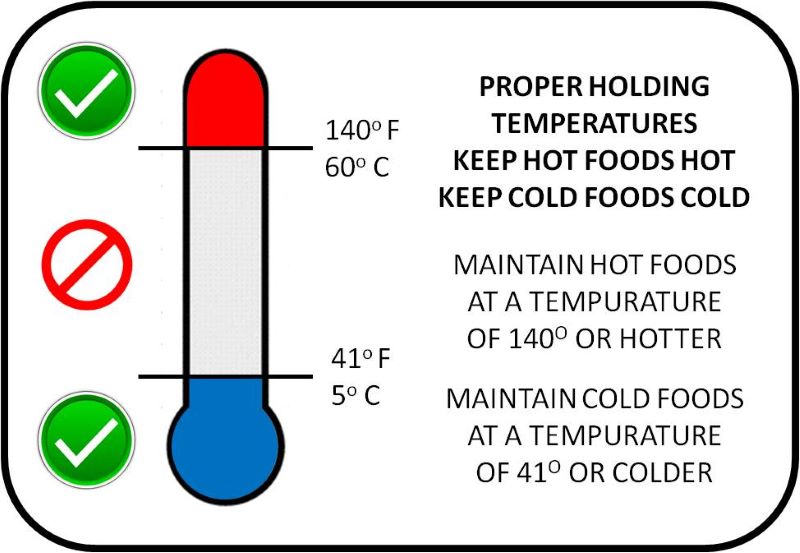
  • The Temperature Danger Zone: Remember that bacteria thrive in the “danger zone” between 41°F and 135°F. Your goal is to keep TCS foods out of this range as much as possible.

  • Consistent Monitoring: Regularly logging the temperatures of your coolers and freezers should be a habit. This documentation is crucial for health inspections and internal quality control.

  • Knowledge is Protection: A deep understanding of which foods are TCS and how to handle them is a key part of continuing education in food safety and the most effective tool you have to prevent foodborne illness.

Mastering these food safety principles is fundamental to protecting public health and building a trusted reputation in our state. It’s the shared responsibility of every food professional to ensure the highest standards of Minnesota food safety.

Whether you and your team are seeking initial certification or need to fulfill your three-year continuing education requirements, we offer personalized, instructor-led options right here in Minnesota. Contact Safe Food Training today or book your course to demonstrate your commitment to excellence.

Romaine lettuce and E. Coli

A CFMs Guide to the 2025 Romaine Lettuce and E. Coli

Romaine lettuce and E. Coli

Avoid serving crispy Romaine lettuce and E. Coli at your event with these tips!

In the ever-evolving landscape of food safety, staying informed about current risks is a critical responsibility for every Certified Food Protection Manager. As we navigate 2025, it’s crucial to understand the ongoing concerns surrounding romaine lettuce and E. coli contamination. Recent events have underscored the need for heightened diligence in our sourcing and handling procedures to protect public health effectively.

The persistence of pathogens in leafy greens requires that we, as industry leaders, remain proactive. This means we must be exceptionally thorough in our safety protocols. However, you’re in luck! This guide provides an overview of the current situation, highlights specific risks, and offers actionable steps for your establishment.

Understanding the Recent Romaine Lettuce and E. coli Outbreak

A significant, though not widely publicized, E. coli O157:H7 outbreak linked to romaine lettuce occurred in late 2024.

The incident led to:

  • Nearly 100 illnesses across 15 states
  • 36 hospitalizations
  • Tragically, one death

While federal agencies concluded their investigation in early 2025, the lack of a broad public announcement has left many food safety professionals seeking clarity. Specifically, this event serves as a powerful reminder that leafy greens remain a high-risk food category. Additionally, the CDC has previously estimated that over half of all E. coli O157:H7 illnesses originated from vegetable row crops, such as lettuce.

  • Why it matters: Undisclosed outbreaks mean that contaminated products could have been handled in facilities without staff being aware of the specific risk, reinforcing the need for consistent, universal precautions.
  • Lack of transparency: The decision not to name the specific producer involved in the 2024 outbreak makes complete traceability challenging for on-the-ground managers.
  • Historical Context: This is not an isolated issue. Between 2009 and 2018, the U.S. and Canada saw 32 confirmed or suspected E. coli outbreaks linked to leafy greens, demonstrating a persistent vulnerability in the supply chain.

The Elevated Risk of Pre-Cut and Processed Lettuce

However, as a CFSM, it’s vital to recognize that the risk is not uniform across all types of lettuce. Health experts and scientific studies indicate an increased risk associated with pre-bagged and chopped lettuce products. The physical act of chopping or tearing leaves creates more entry points for pathogens and releases plant juices that can act as a nutrient source for bacteria.

  • Cellular Damage: Research has shown that E. coli populations can multiply significantly more on damaged or cut lettuce leaves compared to intact ones. One study found pathogen growth was over 10 times higher on shredded lettuce than on whole leaves.
  • Regulatory Classification: Because of these risks, the FDA classifies pre-cut, washed, and packaged leafy greens as a “Potentially Hazardous Food (PHF)” that requires strict time and temperature control for safety (TCS).
  • Cross-Contamination Potential: Centralized washing and processing of large batches of lettuce means that if one head is contaminated, the pathogens can easily spread to the entire lot.

Proactive Safety Measures for Your Establishment

Romaine lettuce and E. Coli

Don’t serve romaine lettuce and E. coli for your appetizer.

Given the current concerns, every food service establishment must reinforce its safety protocols for leafy greens. Complacency is the enemy of food safety. As a manager, you are the first line of defense in preventing foodborne illness. Implement and rigorously enforce the following procedures. Here are some tips to reduce romaine lettuce and E. coli outbreaks:

  • Verify Your Source and Inspect Deliveries: Work closely with your suppliers to understand their safety protocols and procedures. Upon delivery, meticulously inspect all leafy greens. Reject any shipments that are not properly refrigerated. This means cut greens must be 41°F or below. Additionally, it includes lettuce with signs of damage, wilting, or decay.
  • Enforce Strict Handling and Preparation Rules:
  • Washing: Wash whole heads of lettuce thoroughly under clean, running water before they are cut. Do not re-wash products that are packaged and labeled as “ready-to-eat.
  • Cross-Contamination: Use dedicated, sanitized cutting boards, knives, and utensils for all produce to prevent contact with raw meat or other contaminants.
  • Hygiene: Ensure all staff follow impeccable handwashing procedures before and after handling produce.
  • Prioritize Temperature Control: The moment lettuce is chopped or cut, it must be maintained at or below 41°F to inhibit bacterial growth. Regularly monitor and log temperatures in your storage units to ensure compliance and safety.

The role of a Certified Food Protection Manager extends beyond daily operations. It’s about creating a culture of safety and vigilance. These recent outbreaks with romaine lettuce and E. coli are a clear signal that we must continuously refine our standards.

Protect your customers and your reputation. If you and your team need to renew your credentials or achieve initial certification, consider our personalized 8-hour food manager courses. Safe Food Training offers expert, instructor-led options tailored to the specific needs of professionals in Minnesota. Book your continuing education or initial certification training now.


Food Manager Certification MN Training On Saving Energy

Food Manager Certification Focus On Surging Energy Costs

During many of our food manager certification MN training sessions, we often get to participate in conversations involving important issues affecting the food industry. Recently, we engaged with several experienced professionals who were discussing their strategies. They focused on reducing utility costs, especially during the summer months when energy rates tend to be higher than the rest of the year.

Food Manager Certification MN Training On Saving Energy

Food Manager Certification: Controlling Energy Costs


In our conversations with food-service managers, we have discovered that there are three major elements in your kitchen. These elements should be monitored to keep your utility costs under control.

  • Water waste
  • Refrigeration systems
  • Ovens and large kitchen appliances

One major factor in minimizing water usage is preparation. A common source of water waste is thawing frozen food products. While it is perfectly acceptable to thaw frozen product under running water, the water coming out of the tap costs money. We suggest that you take the time to plan ahead. Defrost your frozen fish, meats, and other foods in the refrigerator. It may take longer, but it will reduce your water bill each month.

Another source of wasted energy comes from malfunctioning, dirty, or unmaintained refrigeration units. Ensure that your refrigerator door seals are in good repair, clean, and form a tight seal when shut. Another way to increase your refrigerator’s efficiency is to make sure all fans on the compressor are cleaned regularly. Also, ensure that the compressor hoses are all attached tightly and that the motor is functioning properly. Be on the lookout for any unexplained temperature changes in your refrigerators or freezers. This could be a sign of a problem that will cause your units to use more power to keep your food cold.

What’s Your Biggest Challenge In Controlling Your Energy Costs

Finally, your ovens, deep fryers, gas burners, and flattop cooking surfaces are huge contributors to your natural gas and electricity costs. If you take the time to inspect which appliances are turned on during your daily operations, you may find something interesting. You might discover multiple ovens that are never in use during certain times of the day. Also, your deep fryers may be running during times when they do not need to be used. Taking the time to assess your procedures to ensure that you are not wasting energy by leaving too many power-draining appliances on will go a long way. These efforts will help you lower your monthly utility bills.

These are just three examples of how we feel that you can reduce energy waste at your establishment. We have heard many more suggestions during our food manager certification sessions. However, we would like to know what you have found to be your biggest challenge in controlling your energy costs. Leave your comments below.

COVID 19

The Truth About Date Labels For Certified Food Safety Managers

For certified food safety managers, accurately interpreting date labels is essential for effective inventory management, regulatory compliance, and ensuring consumer safety. With varying terminology across products and jurisdictions, such as expiration dates, use by dates, and sell by dates, understanding the specific implications of each date label type is crucial for effective food safety programs.

“Use By” Date Labels: Are The Key Deadline For Certified Food Safety Managers

“Use By” dates represent the manufacturer’s estimation of when a product may no longer be safe to consume. These dates are typically applied to highly perishable items and foods with potential microbiological concerns. From a certified food safety perspective, “Use By” dates should be treated as strict cutoffs:

  • Products exceeding “Use By” dates should be discarded
  • No service or sale of these items should occur after this date
  • Documentation of proper disposal is advisable for audit purposes

This is the most critical date label for safety management as it directly correlates to potential microbial growth and pathogen concerns. When it comes to date labels, this is the only true date of expiration for certified food safety managers.

“Sell By” Dates: Inventory Management Tool

Date Labels Certified Food Safety Managers

Image by Anastasiya Badun from Pixabay

“Sell By” dates primarily serve as inventory management guides for retailers, not safety indicators for consumers. These dates help ensure product turnover while items maintain optimal quality. For certified food safety managers:

  • Products can typically be consumed safely after the “Sell By” date
  • Establish internal protocols for how long after “Sell By” dates items may remain in inventory
  • Staff training should clarify that these dates relate to quality, not necessarily safety
  • Documentation should include both “Sell By” dates and your establishment’s disposition timelines

“Best By” Dates: Quality Indicators

“Best By” or “Best Before” dates indicate when a product will maintain optimal flavor, texture, and nutritional value. These dates reflect quality considerations rather than safety concerns, particularly for shelf-stable items. Implications of Best By date labels for certified food safety managers include:

  • Products are generally safe to consume after “Best By” dates if properly stored
  • Sensory evaluation protocols should be established for products nearing or exceeding these dates
  • Quality degradation may occur, potentially affecting customer satisfaction

Certified Food Manager Implementation Strategies for Different Date Label Types

Effective date label management requires:

  • Clear, documented policies for each date label type
  • Regular staff training on interpretation and procedures
  • Systematic rotation protocols (FIFO/FEFO) aligned with label types
  • Internal verification procedures that prioritize “Use By” dates

By implementing these practices for expiration dates, certified food safety managers can maintain regulatory compliance while balancing safety requirements with waste reduction initiatives in their operations.