Get your MN kitchen compliant with our state-approved Certified Food Protection Manager Training. We’re offering headache-free 8-hour initial courses and 4-hour renewals.

Front Of House Food Safety Precautions

Scary Simple Front Of House Food Safety Precautions

Kitchen personnel have easy access to gloves, serving utensils and other tools to help them avoid bare hand contact with any ready-to-eat foods, but servers, bar tenders and busboys tend to have a much more hectic pace to their routine and may be further away from supplies when it comes to bare hand contact and ready-to-eat foods. With a few simple precautions, we can ensure that the front of the house keeps the same food safety standards as the kitchen.

Front Of House Food Safety Precautions
Image credit: PXfuel

Avoiding Front Of House Bare Hand Contact with Ready-to-Eat Foods Has A Huge Impact on Food Safety

The Minnesota Food Code states that there can be no bare hand contact with food that is ready to serve. This includes cooked foods, raw fruits and vegetables and any other items ready for consumption. For the kitchen, this is pretty straight forward, but bar tenders and servers come into contact with these types of foods as well. Some examples include:

  • Fresh bread
  • Garnishes for drinks
  • Leftovers to be boxed up
  • Unique items held at server stations

Bread, garnishes, drinks and leftovers cannot be handled with bare hands. There are also some unique situations that can be a food safety hazard when handled with bare hands such as table snacks, fruit and vegetable slices for kid’s meals and a number of other possibilities. Just remember, if the food goes directly from its holding place to a customer’s plate, it should be considered a ready-to-eat food.

One-use disposable gloves are recommended when handling ready-to-eat products, but it can be a time consuming reparative task for the hustle of the wait staff’s routine during high-volume service. Tongs, spatulas and other utensils that can easily transport food on to plate or into drinks are acceptable and much easier to use than constantly changing gloves. However, when bagging up leftovers or continually handling garnishes for extended periods of time before returning to the dining room floor, single-use food service gloves may be the best option.

Always remember to wash your hands thoroughly and promote food safety training in the front of the house when it comes to handling ready-to-eat product.

Have you reviewed food safety training procedures for handling prepared food on the dining room floor?

Revealing Cafeteria Food Safety Training Guide

A New Revealing Cafeteria Food Safety Training Guide

It’s the time of year many kids dread; back to school. While parents rejoice as their kids are finally out of the house after a long year of remote and hybrid learning, teachers, coaches and cafeteria workers are preparing to welcome our students back to something resembling normalcy. Since it may have been a while for some, it is probably a prudent time for a quick back to school review on cafeteria food safety training and common allergens.

Revealing Cafeteria Food Safety Training Guide
Image credit: woodleywonderworks via flickr

Food Safety Training for Allergens in School Cafeterias

Many of our students, and even teachers, suffer from severe allergies. Some foods may even cause a life-threatening situation if accidentally ingested. The eight big allergens you need to be aware of are:

  • Peanuts
  • Tree nuts
  • Dairy
  • Eggs
  • Wheat
  • Soy
  • Fish
  • Shellfish

That’s quite an extensive list, but this cafeteria food safety training guide can breakdown some easy steps you can take in order to prevent serving any students something that may endanger their health.

Peanuts can cause some of the most extreme reactions to those that are allergic, even without actually ingesting peanuts themselves. Some students can suffer reactions just by being in close proximity with another student eating peanuts. We’d strongly urge you not to serve any food items that contain peanuts. While not as severe, tree nuts can also cause health hazards to those allergic, so we’d also suggest treating tree nuts the same as you would peanuts to prevent an allergic incident.

Dairy, eggs, wheat and soy are ingredients in many different food items and products, so it’s a little more difficult to simply ban them from the cafeteria. When it comes to these ingredients, make sure that items containing these are clearly labeled. It may also be beneficial to start and email group for parents with students who are susceptible to allergens to make them aware of foods being served that may contain these ingredients. This will give them advanced notice to warn their students before they arrive at school.

Fish and shellfish are rare in school cafeterias. We’d suggest not serving shellfish and treat fish as you would dairy, eggs, soy and wheat by providing a warning.

Finally, and maybe most importantly, try to serve lunches that contain none of these eight allergens. Hunger affects those with or without allergies, so no student should skip a meal just because there’s no allergy friendly selection.

Do you have alternative lunches available for students with allergies? Does this cafeteria food safety training tip sheet help?

Simple Time As Public Health Control Tips For CFPMs

Simple “Time As Public Health Control” Tips For CFPMs

Some events and food service situations may not benefit from instant service or hot and cold held buffet lines, so the Minnesota food code has procedures that allow certified food protection managers to utilize time as public health control (TPHC) to help you keep the food you serve safe, even if you aren’t serving it instantly. Let’s take a moment to review exactly how Certified Food Protection Managers can use TPHC in certain situations.

Buffet use of Time As Public Health Control Tips For certified Food Protection Managers
Image credit: Wikimedia commons

How Certified Food Protection Managers Can Best Use TPHC

Just a quick note before we begin. If you are the certified food protection manager at a facility that serves an immunocompromised or susceptible population, it’s best not to utilize time as a public health control. Assisted living facilities, hospitals, certain school and other outlets that serve a susceptible population should rely on hot and cold holding temperature control. TPHC is technically allowed for food that does not include eggs in some of these situations, but caution may be the best course of action.

The rules behind TPHC control are rather simple, but there are a few steps you must take when using this method. The basics of TPHC are:

  • Hot foods above 135 degrees can be held for four hours after removed from temperature control
  • Cold foods below 41 degrees can be held for four hours after removed from temperature control
  • Cold foods can be held for six hours after being removed from temperature control if the monitored temperature never rises over 70 degrees

Just to summarize time as public health control for CFPM use, any foods pulled out of hot holding above 135 degrees or cold storage below 41 degrees can be held for four hours without hot holding or cold holding. Cold foods can be held up to six hours if temperatures are monitored closely.

Once the holding process begins, it cannot be extended by reheating or chilling items. Once these items have been removed from a temperature controlled environment, your timer starts and cannot be paused or extended by any means. As soon as your four, or six, hours have expired all food must be discarded. It cannot be stored, reheated or served at a later time under any circumstances.

Finally, make sure that you have written TPHC procedures outlined and available should a health inspector wish to review them. It’s also important that every staff member understands the restrictions of TPHC before service begins.

Does your certified food protection manager utilize time as public health control?

MN Certified food manager training and testing

Targeted Advice For Certified Food Manager Training And Testing

With business returning to normal in the foodservice industry, we’re seeing an influx of certified food manager candidates taking the training courses for the first time. Whether you took an online food manager training course during COVID-19 and have yet to experience in-person training or are a fresh face, it’s sometimes a stress reliever to know what to expect when you attend certified food manager training and prepare for the certification exam. As a precursor to your upcoming class, we’d like to break down what you should expect from certified food manager training and testing.

MN Certified Food Manager Training And Testing by Safe Food Training
Image credit: Safe Food Training

A Certified Food Manager Training and Testing Prep Guide

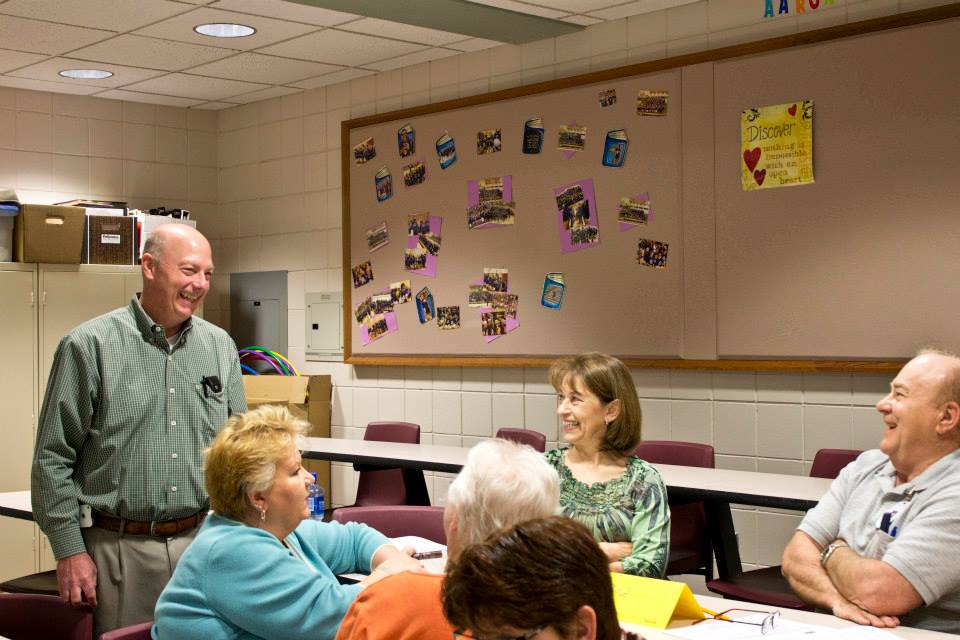
Our certified food manager training sessions are not like your typical class. In fact, our goal is to make sure that you absorb the material and have a good time while doing it. We don’t expect students to just sit quietly and listen while taking frantic notes for hours on end. Our classes are meant to be engaging and enlightening. We realize there’s a lot of information to learn in one day, that’s why we promote discussion, questions and conversations with your fellow future certified food managers. Here are a few tips that can help you be ready for success when you take a certified food manager class and exam:

  • Review the pre-study material ahead of time
  • Get a good night’s sleep the night before
  • Make notes of specific questions and topics you would like more information about
  • Don’t be afraid to engage in discussions or ask for clarification

If you do these things, you should be relaxed, prepared, and set up for success when it comes time to take the exam. During the exam, don’t rush because you’ll have plenty of time. Remember, if you’ve reviewed the materials, engaged in the discussion and taken quality notes all the information you need to pass should be in your head.

Are you preparing to take the certified food manager training and testing for the first time?