Keep your Minnesota kitchen compliant. We track the latest food recalls and safety alerts so you can pull bad products fast and protect your customers.

ServSafe and Wooden Serving Utensils

ServSafe Training and Wooden Plank Serving Utensils

While dining out recently, we came across a restaurant which served us a delicious meal with a gorgeous presentation on a wooden plank rather than typical plateware. This got us thinking, about ServSafe training and wooden plank serving utensils. Do we need special steps to prevent food-borne illnesses from food served on wood planks and other alternative serving items?

ServSafe and Wooden Serving Utensils

ServSafe Training and Wooden Plank -Sanitation

ServSafe training tells us that all flatware must be sanitized between uses. Normally, this is done in a mechanical dishwashing machine or hand washed in a triple sink system. Can wooden serving boards be sanitized in the same way?

Wood is tricky to sanitize. Over time and repeated uses, small cuts from knives and other utensils form. Bacteria can hide and multiply in these cuts and dishwashing chemicals can seep in and potentially contaminate food. Extra care must be taken to ensure proper sanitation. We recommend using a triple sink and air drying method to clean wooden serving boards, and to do so immediately after use.

We’ve seen these large wooden boards featured on buffet lines as well. Many of these are crafted in a manner where a heat lamp is permanently attached. These are especially tricky to sanitize. Take care to wash and sanitize these by hand as soon as possible after every use.

A key to keeping food served on these boards is to make sure that you are using food-service-grade serving ware. These boards are harder and more resistant to wear and tear, and should be available from your local supplier. When investing in wooden serving materials, remember that these will not last forever and over time will need to be replaced.

What if you’re interested in wooden serving boards, but would rather not invest in costly materials that will need to be replaced on a regular basis? We’ve done some digging, and laminated wood boards and faux-wood plates look like a great alternative. Food-grade laminated wooden planks and fake wood can be easier to wash, many times in your standard dishwashing machine, and have a much longer life than expensive real wooden planks. While it is possible to spot the difference between real and fake wood, we see this as a safer and more cost effective investment into alternative serving ware.

Do you use wooden serving planks or any other type of serving ware other than standard plates in your restaurant?

Food Safety Problem with Romaine

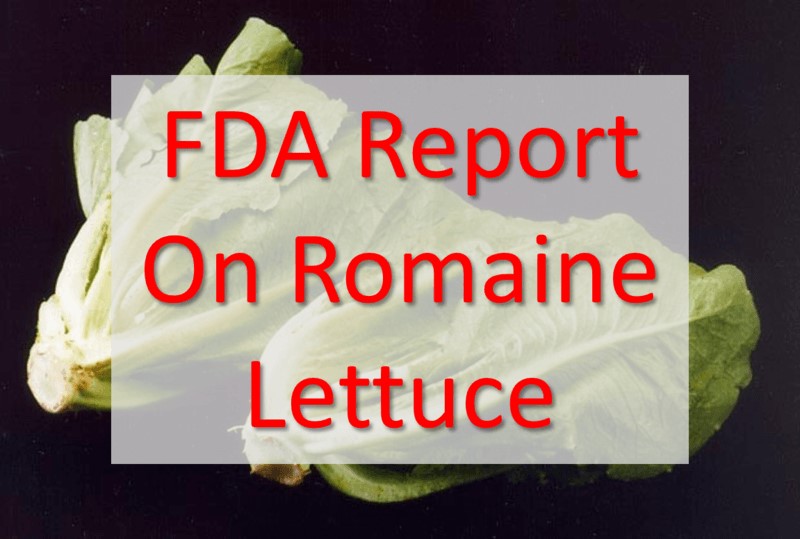
The Food Safety Problem with Romaine Lettuce

November has come and gone, and with it another major food safety problem with Romaine lettuce causing an illness hazard and sickening your guests. This week, we’d like to look at some of the potential causes of these outbreaks, and how good food safety training helps prevent sickening your guests with contaminated lettuce.

Food Safety Problem with Romaine

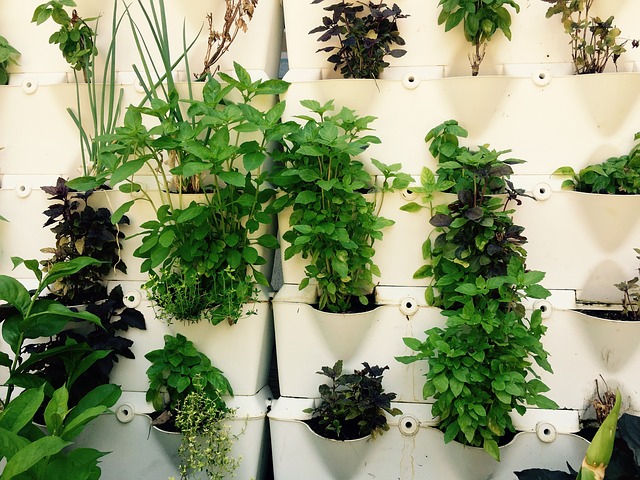
Image Credit: BlackRiv via Pixabay

Hints On How To Prevent A Food Safety Problem with Romaine Lettuce

Like most vegetables, romaine lettuce grows in the dirt, and as we all know, dirt is dirty. Soil contains all sorts of bacteria and contaminates, it is home is insects and snails, and it can be further contaminated by fertilizers and other outside sources. Even the water that farmers use to water their crops can be contaminated with bacteria that can be harmful to people who consume the final product.

Some farms that grow our produce also house livestock. It’s not out of the realm of possibility that manure can spread from one section of the farm to another on a worker’s boots or the tread of a tractor tire. As you can imagine, there are infinite possibilities as to how romaine lettuce becomes a health hazard, but what can we do about it?

Unfortunately, keeping the food from becoming contaminated on the farm is outside of the scope of what we do as a food safety training provider, however, we can help you take steps to keep lettuce in your restaurant clean and free from contaminates. Here are a few steps you should take:

  • Inspect lettuce upon delivery
  • Wash lettuce thoroughly
  • Be alert for recalls
  • Dispose of potentially contaminated romaine lettuce

A close inspection of your lettuce will reveal how much soil has been shipped with your product or if bugs and snails have tagged along for the ride. If you feel that your lettuce isn’t up to food safety standards, don’t be afraid to reject the shipment.

It’s not just a food safety problem with Romaine, all fresh produce should be washed thoroughly before serving, but lettuces such as romaine need extra attention. There’s a reason that you hear about more food poising cases from lettuce than potatoes. Potatoes and many other fruits and vegetables have one continuous outside surface, so a quick wash gets rid of more bacteria than a quick wash of a head of lettuce. We suggest washing your lettuce after taking the leaves off of the head in order to rinse areas that won’t be cleaned if the head is washed whole.

Finally, be aware of recalls and dispose of compromised lettuce. Taking a hit on food cost is a much better option that sickening your guests.

Did your business suffer from that latest recall of romaine lettuce?

Food Safety Training and Current Food Poisoning Statistics

Official statistics help us keep an eye on the state of food safety in our country. Recently, Food Safety News published a summary of a CDC report detailing the most common causes of food borne-illness. There are a few interesting findings in this report, but when breaking down this summary, we noticed two causes of illness that can be prevented or controlled with proper food safety training.

Using Food-Illness Statistics for Food Safety Training

In the statistics released from this five year study, over 100,000 confirmed cases of food poisoning were recorded. Out of these cases, 5,699 were hospitalized and food-borne illness was responsible for 145 deaths. If we break down these cases to root causes, we can begin to see patterns that we can use for effective food safety training to target common pathogens.

Chicken was the cause of 12-percent of these cases, causing us to believe that many of these situations were the result of under-cooked poultry. It is vitally important to train your staff how to handle chicken properly. There are numerous cross-contamination risks involved in processing raw chicken. Process raw chicken away from areas where ready-to-eat product is being prepared and always store raw poultry on the bottom shelf. Finally, making sure to verify that your chicken has been cooked to 165-degrees is vitally important. We recommend that you use a thermocouple thermometer when verifying the temperature of chicken. These thermometers are highly accurate and ideal for measuring thin chicken breasts and smaller pieces of meat.

The study also shows that the Norovirus was responsible for over 27,000 cases of food-borne illness. Training can go a long way towards preventing Norovirus poisonings. Teach your staff to stay home when they are sick, wash their hands properly and frequently and to avoid bare-hand contact with ready-to-eat foods. Enforcing these three easy-to-do food handling procedures greatly reduces the risk of spreading the Norovirus.

While this study points out quite a few other causes of outbreaks, proper training reduces the risk of poisoning via improperly prepared chicken or the Norovirus. Are there any other ways you use statistics to target food safety training in your facility?

MN Food Safety and National Regulatory Agency Consolidation

At Safe Food Training, we usually avoid commenting on the political landscape unless it directly relates to MN food safety and certified food managers. However, as part of the current administration’s effort to consolidate select federal agencies, a proposal has been put forth to form a single federal food safety agency under the umbrella of the USDA.

MN Food Safety and National Regulatory Agency Consolidation

How Proposed Federal Agency Reorganization Might Affect MN Food Safety

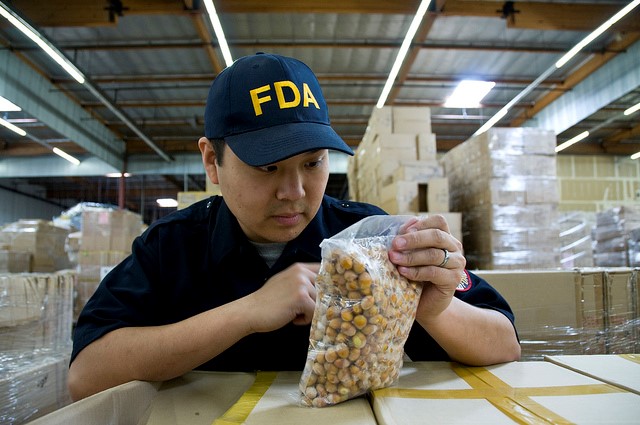
As things currently stand, two agencies, the Food and Drug Administration and a branch of the USDA known as the Food Safety and Inspection Service, have different levels of regulatory power when it comes to food safety in our country. Since there are two agencies, we have to ask what is the difference between the two?

After some research, we’ve discovered that one of the major differences between the two agencies involves what types of products they inspect. For example, the USDA and the FSIS may be responsible for the inspection of poultry, meats and eggs while fruits and vegetables fall under FDA jurisdiction. Meats and canned products containing meat receive quite a bit of scrutiny during inspections by the USDA, but many times large quantities of non-meat canned products, such as applesauce or tomato soup, go uninspected before shipped to consumers. Some seafood and fish products belong under the jurisdiction of one agency or the other. Catfish, for example, is regulated by the USDA while other fresh-water fish are inspected by the FDA.

The line becomes more and more blurred as we delve into pre-made products. The FDA is in charge of closed-faced meat sandwiches, while FSIS regulates open-faced meat sandwiches. This means that one agency regulates frozen pizzas and the other mass-produced pre-packaged breakfast sandwiches. These varied regulations make us wonder if any products slip through this confusing inspection process and pose potential health risks to consumers.

The consolidation of federal food safety agencies is not a partisan issue, or even a new one. The Obama administration put forth a similar proposal during their tenure in the White House.

There may be pros and cons of creating one agency that encompasses all of national food safety regulations and inspection. As a certified food manager with a professional interest in MN food safety, do you feel that a single regulatory agency will help keep the raw ingredients you use safer, or do you think multiple, clearly defined agencies are necessary for extended oversight of national food safety.