Keep your Minnesota kitchen compliant. We track the latest food recalls and safety alerts so you can pull bad products fast and protect your customers.

Food Safety Training and Raw Chicken Labels

Food Safety Training and Raw Chicken Labels

When food service managers order chicken for their facilities, they come across many different labels and distinctions. The labeling of chickens can be confusing with tags such as organic, cage-free and non-GMO floating around. This week, we’d like to briefly discuss the rules behind chicken labels and hopefully clear up some of the confusion.

Food Safety Training Guide to Chicken Labels

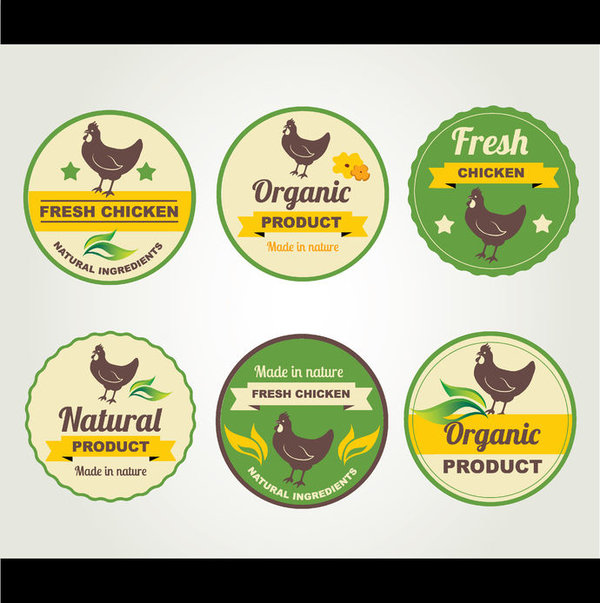
Before we begin our discussion, we’d like to mention a few labels that cause the most confusion. From time to time a provider labels their raw chicken as natural, free-range or cage free. Unfortunately, no official inspected or verified class of natural, cage free or free-range chicken actually exists. A free-range or cage-free label simply infers that the farmer raises the chickens outdoor or uncaged. A label of natural gives no guarantee that the product is antibiotic free, organic or GMO free. For all intents and purposes, the natural label is meaningless.

Several chicken labeling standards require inspections and verification that the product meets specific guidelines. The most common include:

  • Organic
  • Certified humane
  • Non-GMO

If your chicken is labeled with one of these designations, you can rest assured that some form of inspection takes place. When you order organic chicken, you should receive raw product that has been fed a vegetarian diet free of antibiotics. However, the egg the chicken hatched from could have been treated with some form of antibiotic before the chick’s first day of life. Live chickens receive some outdoor access, but no minimum requirement is enforced. In order for raw chicken product to gain an organic label, an annual inspection of the facility must take place.

Non-GMO chickens also must pass a verification process in order to achieve permission for the non-GMO label. In order to gain this label, the chickens’ feed must contain less than one-percent GMO ingredients.

Finally, a chicken that has been verified as humanely raised or receives an American Humane Certified label must pass an inspection that stress on the bird’s daily life is minimal.

During food safety training, we occasionally have a question concerning hormones. You can rest assured that hormone use is prohibited in domestically raised chickens.

Decoding labeling standards helps food service managers keep informed about the quality of their product. Are there any confusing labels that you’d like us to look into?

ServSafe MN news- Norovirus outbreak at Minnehaha Academy

Breaking ServSafe MN News: The Norovirus Strikes Local School

ServSafe MN News: According to a report on MPR Radio an outbreak of the Norovirus caused Minnehaha Academy to close its doors for several days after dozens of students and faculty members fell victim to the illness. With such a large outbreak, the facility felt it necessary shut its doors in order to prevent further spread of the virus and ensure the safety of its students.

ServSafe MN news- Norovirus outbreak at Minnehaha Academy

Photo credit:Ed Kohler via Flickr.com

Cleaning Up After a Norovirus Event

The Norovirus is one of the most contagious food-borne illnesses. We recently covered this topic in a previous article, but, just to review, some of the Norovirus symptoms include diarrhea, vomiting and dehydration. While rarely life threatening, we cannot ignore the severity of any Norovirus outbreak.

In cases such as the one which occurred at Minnehaha recently, a major outbreak requires major cleanup. The Norovirus spreads from unwashed hands, saliva and contact with other bodily fluids that have been infected. It can live on utensils, hard surfaces and contaminated food for an extended period of time. That means that after an outbreak nearly anything can be affected.

If your facility experiences outbreak of the Norovirus, we urge you to take the following steps:

  • Clean and sanitize all food preparation surfaces
  • Dispose of potentially contaminated food product
  • Wash and sanitize all utensils and serving wear
  • Work with your local health department to facilitate cleanup

Remember, that the best way to prevent an outbreak of any type of food-borne illness is diligence. Remind your staff not to work while sick, and if they have had Norovirus symptoms to refrain from working for several days after symptoms have disappeared. The Norovirus can still be active after a victim has appeared to have recovered. Use good sense and sanitize preparation surfaces frequently, and review proper hand washing procedures with your team.

If you would like to schedule a ServSafe MN review of how to prevent food-borne illness, we can help with both instructor led and online courses tailored to your specific facility.

Food Training Course Discussion on Sell-By and Use-By Dates

Food Training Course Discussion on Sell-By and Use-By Dates

While we specialize in food training courses and online HAACP classes, we also monitor food industry news that affects general consumers as well. We recently came across a discussion concerning a USDA suggestion that food should be labeled with a best-by date rather than a sell-by date. According to the USDA, sell-by dates create confusion among consumers, and they estimate that nearly 30 percent of food waste from consumers and retailers arises from products that are labeled with a sell-by date.

Food Training Course Discussion on Sell-By and Use-By Dates

Image credit: Xymena via Flickr

Food Training Courses and Sell-By Dates

During our study on this subject, we found some pros and cons of labeling product with a best-by date rather than a sell-by date. Many foods such as canned items, pasteurized products and dried fruits have a much longer shelf life than many raw or freshly prepared items. If you have ever taken the time to investigate the sell-by dates on canned goods, you will notice dates that are months or even years into the future. With dates so far ahead of the present, predicting exactly when it will no longer be fit for human consumption is nearly impossible.

We do not believe the USDA’s attention to this subject will focus on long-term sell-by dates, but rather that of proteins and packaged foods that spoil in a short period of time. This presents unique difficulties for companies that process meat, seafood and other proteins. If the USDA does recommend that use-by dates be included on labels, butchers, distribution facilities and seafood harvesters must now decide how long the consumer has to eat or cook the product that they buy.

One thing we would like to see if this becomes the standard is some guidelines from the USDA as to how producers of these kinds of foods can accurately predict a date by which a product must be used. There are many factors that go into how fast food spoils. A refrigeration temperature variation of a few degrees changes how long proteins remain safe to eat, especially sensitive seafood items. The way a grocer stores food can affect raw meat and produce and of course there is no way for food manufacturers to guess how a consumer will handle their food once they have purchased their groceries.

This may be a step in the right direction to reduce the amount of food that consumers waste, but it also brings up concerns as to how food training courses can teach producers can accurately label their product. If you have an opinion on this issue, feel free to leave your comments below.

Extreme Weather Closure Tips for Certified Food Managers

Extreme Weather Closure Tips for Certified Food Managers

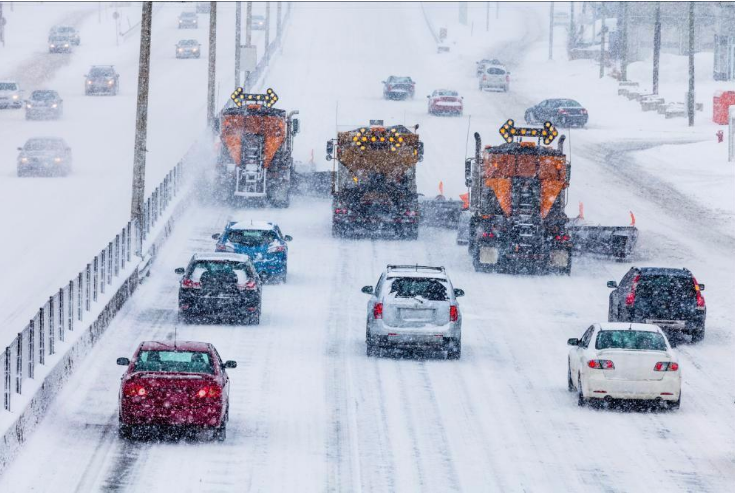
The winter months bring colder temperatures and the potential for incredible amounts of snow. Sometimes the winter conditions in our state create a scenario where roads are treacherous until they can be cleared and hazardous travel conditions dissipate. While every business strives to stay open and be available to provide services to a loyal customer base, circumstances inevitably arise where a certified food manager has to make the call to close up shop for the day.

Certified Food Managers and Snow Closures

If serious weather occurs, having a plan helps keep your staff and customers informed. If there is an active warning or alert, the certified food manager should monitor it closely. Employees on shift during a predicted storm should be notified ahead of time, and if you plan on opening but wish to adjust for lower business volume due to weather, cutting a staff member or two’s shift may help save on labor cost if guests stay home.

You need to communicate with potential guests if you plan on closing for the day or shutting down a few hours earlier than normal. In the past this used to be a major challenge, but we live in the age of the internet. Many consumers turn to social media outlets like Twitter and Facebook during winter storms to verify if a restaurant is open, so keeping your guests updated via these outlets will pass the message along to a majority of your potential customers.

Once you reopen, check to see if entryways are safe for guests to enter and leave. Clearing icy surfaces such as sidewalks and stairs can prevent slips and falls and create an inviting appeal to your restaurant. Oftentimes employee entrances can be overlooked in bad weather scenarios, so make sure that your staff has a clear and safe way to access your facility.

Finally, enjoy the weather. Food management is a stressful and time-consuming profession. Build a snowman or drink your favorite warm beverage and relax in front of the fire.

We want to know your extreme weather strategies. Do you feel obliged to open your doors no matter what conditions may be, do you play it safe or is your winter weather plan somewhere in the middle? Leave your thoughts for us in the comment section below.