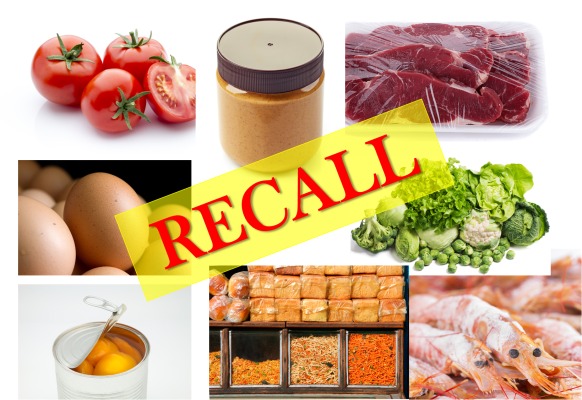
Keep your Minnesota kitchen compliant. We track the latest food recalls and safety alerts so you can pull bad products fast and protect your customers.

The Truth About Food Protection Managers Moving Product Safely

The Truth About Food Protection Managers Moving Product Safely

In food businesses with multiple locations, there are often situations when one location runs out of a certain product and must borrow some from another outlet some distance away. Foodborne illness risks result if food protection managers don’t take the appropriate steps to ensure food is transported safely. To keep food safe when moving ingredients from one location to another, let’s outline the steps that food protection managers must take to keep food safe in transit.

The Truth About Food Protection Managers Moving Product Safely
Image credit: Baloncici via Dreamstime.com

Food Protection Manager Tips for Transporting Product to Secondary Facilities

When we’re talking about food or ingredients that are at risk during transport, we’re mostly discussing raw ingredients or chilled ready-to-eat foods. Ingredients that come in cans, plastic containers or in sealed boxes that are shelf-stable at room temperature pose little to no risk at all when moved from one facility to another. If any of these products are open, however, pathogens and debris could enter the containers and cause a risk, so it’s a good idea for the food protection manager to ensure all shelf-stable products remain sealed during transit.

The real risk comes from moving raw food from one place to another. Items such as fish, meats, dairy and cut fruits and vegetables need to remain out of the danger zone during transportation. Smaller items can be kept in a cold storage bag or even a cooler with plenty of ice to ensure that product remains under 41 degrees.

Larger items, however, pose more of a challenge. Let’s say a location 45 minutes away runs out of fresh halibut. Transporting a whole fish may not be possible. It’s hard to find a sealed storage vessel large enough, and the size makes it much harder to keep cool. One solution would be to keep the windows down on an exceptionally cold morning and keep the inside vehicle under 41 degrees, but the resulting pneumonia may not be worth the tradeoff. In these cases, food protection managers should find a solution to prepare the product in manageable portions before packing.

Frozen food should be assessed based on distance and whether or not it will start to thaw before reaching its destination. Partially thawed product poses a quality and food safety risk, and in these cases, food protection managers must use their best judgment to make sure the trip won’t cause the product to thaw during delivery.

Do you have a solution for moving raw ingredients from one restaurant to another?

New Food Safety Training For The Dish Pit

We all know that dishwashing machines are an important piece of equipment in keeping serving ware and the utensils we use to prepare food clean, but do we take the time to ensure that our dishwasher is kept in sanitary condition? Beyond sanitizing the clean side of the dishwasher and making sure drying areas are kept in proper condition, how can we promote food safety training to keep the “dirty” side of our mechanical dishwashers from creating foodborne illness hazards?

Food Safety Training for the Dish Pit
Image credit: Simcitywok via wikimedia commons

Food Safety Training tips for Dish Pit Cleanliness

It’s easy to understand why the clean side of the dish pit needs to remain clean. All of the dishes that end up over there are sanitized and ready for service, but ignoring the dirty side of the dish area creates scenarios that can be a food safety risk. When providing food safety training to dish machine operators, make sure you cover:

  • Garbage Disposal
  • Machine Filters
  • Doors and Seals
  • Dirty Washing Surfaces

We tend to assume that the garbage disposal churns up waste and sends it into the sewage system, but a lot of the residue remains in the drain, on the blades and in your pipes. This food residue attracts pests such as fruit flies. While it’s not necessary or even prudent to take apart your garbage disposal, there are liquid solutions available that can clean and sanitize garbage disposals and pipes. If you have the need to reach into the garbage disposal for any reason, make sure that it has been unplugged to prevent catastrophic injury.

Most mechanical dish washers have filters to prevent waste from ending up in the drainage system. Make locating and cleaning these filters a part of your basic food safety training. Don’t forget that grease and grime can build up on the inside of the doors and transfer to clean items during the rinse cycle.

Finally, the areas where plate ware and production tools wait to be washed can also attract pests and transfer contaminated materials to employees who touch them and work near these areas. The food safety training best practice is take the time to often clean washing surfaces and dirty dish storage areas.

Does your food safety training cover the whole dish pit area?

Food Safety Training Tips

Excellent Food Safety Training Tips You Need To Know About Clean Refrigeration

You count on your refrigeration units to keep food cold, but neglecting food safety training for maintenance can result in much worse scenarios than malfunctioning equipment. Besides the hazards of food possibly being stored in the danger zone due to a poorly looked after walk-in; dirt, mold, mildew and other contaminants can come in contact with your product even if your cold storage is kept at the proper temperature. Let’s take a close look at some often overlooked aspects of refrigerator maintenance that can lead to foodborne illness risks and we will provide some food safety training tips to make your job easier.

Excellent Food Safety Training Tips You Need To Know About Clean Refrigeration
Image credit: Tracy Hunter via Flickr

Refrigeration Maintenance Tips for Food Safety Training

Most food businesses should already have a cleaning plan in place for the interior racks, walls and floors of their refrigeration units, but there are several aspects of refrigerators that are forgotten, especially in walk-in units. Every so often it’s important to clean and maintain refrigeration:

  • Door seals
  • Condensers
  • Drain lines

Cleaning the seals or gaskets of every refrigerator in your establishment will help keep warm air from outside forcing your equipment to work harder. Rubber seals can also be a breeding ground for mold, especially if your doors are not sealing properly. The condensation from the temperature difference inside and outside of your fridge could accelerate mold and mildew growth which could end up in your food. When you perform your regular interior cleaning, make sure to wipe down and sanitize your door seals and inspect for any damage which could be allowing warm air inside.

Condenser coils tend to collect dust and moisture creating an environment for contaminant growth that could fall into food product. Your food safety training should include a review of cleaning these coils at least once a month to prevent buildup. These coils can sometimes be behind a service panel or on the back of the compressor.

Drain lines are notorious for mold buildup due to the near-constant drip of condensation. Due to the complexity of cleaning these lines, we recommended you seek out a professional technician to service and clean your larger refrigerators once a year.

Have you taken the time recently to check on the cleanliness of your refrigerators? Do you have any additional food safety training tips for others?

Food Safety and the Sizable Dangers of Raw Dairy Products

Food Safety and the Sizable Dangers of Raw Dairy Products

Over the past few years, states such as Iowa, Georgia, Missouri and others have begun crafting legislation to expand the commercial sale of raw milk and raw dairy products. While Minnesota currently only allows the sale of unpasteurized milk to customers who bring their own containers directly to farmers, it’s worth discussing the food safety hazards of using raw dairy products in food preparation should our state consider expanding the availability of raw milk as several other states have done based on consumer demand.

Food Safety and the Sizable Dangers of Raw Dairy Products
Image credit: pxhere photo-1622031

Raw Dairy Products and Food Safety

To be absolutely clear, any milk served in restaurants or used in meal preparation must be pasteurized and obtained from a trusted source. Raw dairy products straight from the farmer do not meet these food safety criteria. The health department does not allow for a variance on raw milk even with a critical control point plan.

Proponents of raw dairy claim that the probiotics and other naturally occurring antimicrobial elements allow for the safe consumption of fresh, raw milk. While raw milk may contain these compounds, it also brings high-risk hazards that cause food safety management issues. Raw milk can contain:

  • Bacteria
  • Salmonella
  • E.coli
  • Listeria

This is just a partial list of pathogens that have been found in unpasteurized milk. Outbreaks from raw milk have caused intestinal illness, miscarriages and even death.

Once processed into cheese, yogurt or other raw dairy product, the danger of foodborne illness is still a threat, so the best course is to avoid unpasteurized milk products altogether.

Have you ever considered the hazards of raw dairy products?