Keep your MN kitchen running smoothly. We’re sharing real-world ServSafe & NEHA Best Practices to help you train staff and ace your next health inspection.

How to Serve Expectant Mothers Utilizing Food Manager Safety Standards

How to Serve Expectant Mothers Utilizing Food Manager Safety Standards

During a recent food manager safety training and certification class, we were having a discussion on cooking temperatures and time control and how you must include a menu advisory should customers wish to order undercooked proteins such as over-easy eggs or a medium-rare steak. It just so happened that we had an expectant mother attending the session, and she brought up the point that pregnant women need to follow stricter food safety standards when it comes to the foods they consume. With that in mind, it’s important to take a look at food manager safety standards in the event you have a pregnant guest who has questions concerning your menu items.

How to Serve Expectant Mothers Utilizing Food Manager Safety Standards
Image credit: Olena Yakobchuk via 123rf

Food Manager Safety and Pregnant Women

Bacteria and pathogens that may not affect the mother may have dire consequences to the young life growing inside her. This is why you must be careful when preparing food for women that may be pregnant.

All food prepared for expectant mothers must be served hot enough to have killed common pathogens. Undercooked proteins could still contain bacteria. Fish is a great source of protein for a growing baby, but can contain parasites, bacteria or viruses, so food manager safety standards recommend special caution to ensure all seafood is cooked thoroughly. Sushi, sashimi, ceviche and raw shellfish should never be served to pregnant guests.

Some foods commonly thought of as ready to eat may not be safe for pregnant mothers and their future child. Cured deli meats, lox, smoked fish and jerky may pose some sort of health risk due to not being fully heated during the curing process.

Certain dairy products also pose a threat. Food manager safety standards suggest CFPMs be aware that soft cheeses like gorgonzola, brie or feta can spread small amounts of salmonella, E.coli or campylobacter to a growing fetus. Any unpasteurized dairy products can cause harm and should never make their way to a pregnant mother’s plate.

Finally, undercooked eggs also could contain salmonella that might endanger a developing child. Besides the obvious undercooked eggs, there are quite a few common menu items that contain undercooked eggs.

  • Caesar salad dressing and other creamy dressings
  • Hollandaise sauce
  • Custards

When serving products that contain eggs, assume any items that do not reach 155-degrees during the cooking process as unsafe for expectant mothers.

Do you feel prepared to serve expectant mothers according to food manager safely standards when they choose your establishment?

Certified Food Protection Manager And Awesome Summer Ideas For Mollusks

Certified Food Protection Manager And Awesome Summer Ideas For Mollusks

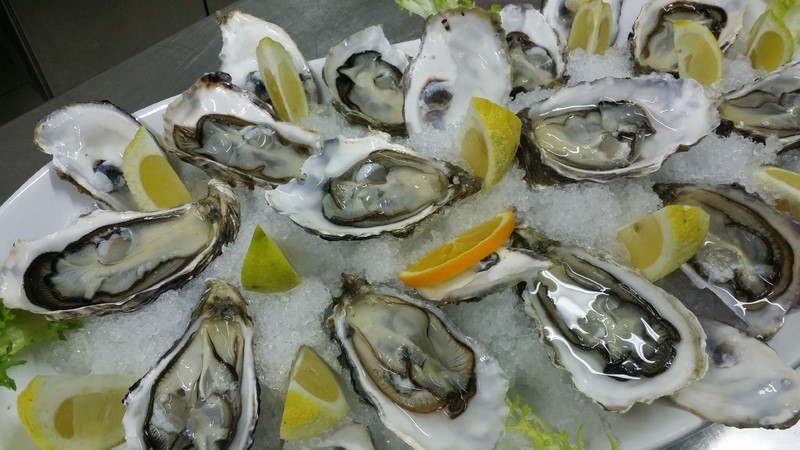
We’ve all heard the advice: Only eat oysters in months ending in “r.” When the temperature of the waters of the Pacific Northwest, Atlantic Coast and the Gulf of Mexico rise, so does the risk of spreading a foodborne illness from a pathogen known as vibriosis. Vibriosis poisoning can cause vomiting, diarrhea and other stomach ailments in most cases. Many times the illness is labeled as minor, if you call spending extra time in the restroom minor, but certain people may be more susceptible to vibriosis and the effects of consuming contaminated oysters, mussels and clams could be deadly. Does this mean that certified food protection managers should pull all mollusks off of their menus as the weather turns warmer?

Certified Food Protection Manager And Summer Ideas For Mollusks
Image credit: pxhere.com

Can Certified Food Protection Managers Serve Oysters in the Summer?

The most common vehicle for vibriosis poisoning is oysters, but mussels and clams can also be culprits, although rarely. Why is that?

Quite simply, mussels and clams are almost always cooked while oysters are commonly served raw on the half shell or in oyster shots. The method of preparation is no coincidence. The pathogen that causes a vibrio infection can be killed by heat, meaning that cooking shellfish completely greatly reduces the risk of exposure.

While we don’t recommend serving raw or undercooked oysters in warmer months, that doesn’t mean this sought after shellfish must vacate menus completely. Oysters can be grilled, sautéed or cooked on the half shell. If you have a clientele that will demand oysters all year long, a talented certified food manager can devise ways to keep molluscan shellfish on the menu without serving them raw.

If you serve mollusks any time of the year, make sure you discuss the water conditions with your suppliers every time you order. Some shellfish farms may experience shortages due to incredibly hot water conditions, pollution or other contaminates in the water. Also keep a close eye on the FDA’s recalls, advisories and outbreaks list.

Finally, certified food protection managers should check the source label that should come with every shipment of molluscan shellfish. If this tag or label is missing, you must not accept delivery. Keep this tag or label for at least 90 days after they were sold or served.

Note: Shellfish cooked before shipment are exempt.

Do you keep mollusks on your menu all year long?

Certified Food Protection Manager

Debunking a Common Myth: Why a Certified Food Protection Manager Must Treat Organic and Conventional Foods the Same

Certified Food Protection ManagerAs consumer demand for organic and farm-to-table ingredients continues to grow, many Minnesota restaurants and food producers are adapting their menus. This shift raises a critical question for every Certified Food Protection Manager: Do organic ingredients require different food safety protocols? While agricultural methods for these foods differ, the principles for preventing foodborne illness remain unchanged.


The simple answer is that you must handle all food, regardless of its source or label, with the same rigorous safety standards. The risk of contamination doesn’t disappear just because an ingredient is certified organic. From the farm to the fork, the core responsibility of protecting public health is universal. Let’s explore the key areas where you must diligently apply these standards.

The Myth of "Safer" Organic Food

Many people mistakenly believe organic food is inherently safer from pathogens because farmers grow it without synthetic pesticides or fertilizers. However, the potential for contamination still exists, and sometimes, it can even present unique challenges. A knowledgeable food manager understands that the “organic” label refers to agricultural practices, not a guarantee of being pathogen free.

  • Natural Fertilizers: Organic farming often uses animal manure as fertilizer. If not properly composted, it can be a significant source of dangerous pathogens like E. coli and Salmonella, which can contaminate produce in the field.


  • Environmental Factors: Pathogens exist naturally in the environment. Contaminated irrigation water, contact with wildlife, or improper handling during harvest can introduce harmful bacteria to fruits and vegetables.


Raw Animal Products: Just like their conventional counterparts, organic eggs can carry Salmonella, and raw organic poultry can harbor Campylobacter. The animal’s diet does not eliminate these microbiological risks.

Applying Core Protocols: The Role of a Certified Food Protection Manager

Your training as a Certified Food Protection Manager builds upon a foundation of principles that apply to all ingredients. You can take no shortcuts or make exceptions for organic items when upholding Minnesota’s food safety standards. This consistency is crucial for preventing illness and maintaining customer trust.

Key Safety Controls

  • Time and Temperature: You must cook raw organic meats, poultry, and fish to the same federally recommended internal temperatures to destroy pathogens. Likewise, you must hold hot foods hot and cold foods cold, regardless of the ingredients’ origin.

  • Cross-Contamination Prevention: You must clean and sanitize a cutting board used for organic raw chicken just as thoroughly as one used for conventional chicken. Proper handwashing, glove use, and separating raw and ready-to-eat foods are non-negotiable.

  • Washing and Preparation: You must wash all produce, organic or not, thoroughly under running water before cutting, mixing, or serving it. This step is essential to remove soil, surface debris, and potential contaminants picked up during transit.

Diligence in Sourcing and Receiving

food protection manager

Are you a food protection manager looking to complete your recertification?

While sourcing from local or small-scale organic farms can be a great way to enhance a menu, it requires an extra layer of diligence. Unlike large distributors, which may have standardized, documented safety procedures, smaller suppliers might require more direct verification. As a manager, you are the final checkpoint for ensuring only safe ingredients enter your kitchen.

  • Vet Your Suppliers: Don’t hesitate to ask farmers about their food safety practices. Inquire about their water sources, harvesting procedures, and the Good Agricultural Practices (GAP) they follow. A reputable supplier will be happy to share this information.

  • Inspect Every Delivery: Upon arrival, you must meticulously inspect all ingredients. Check for signs of spoilage, pest damage, and temperature abuse during transport. Trust your training, not just the label on the box.

Ultimately, the role of a certified food protection manager is to be the guardian of food safety for your establishment. That responsibility means you must apply your expertise consistently and without compromise, ensuring every dish you serve is as safe as it is delicious.

For comprehensive training that covers these critical details for you and your team, explore our instructor-led Certified Food Protection Manager options in Minnesota. Visit Safe Food Training now to sign up for a course near you!

Food Safety Managers Identify Approved Food Product Sources

How can Food Safety Managers Identify Approved Food Product Sources?

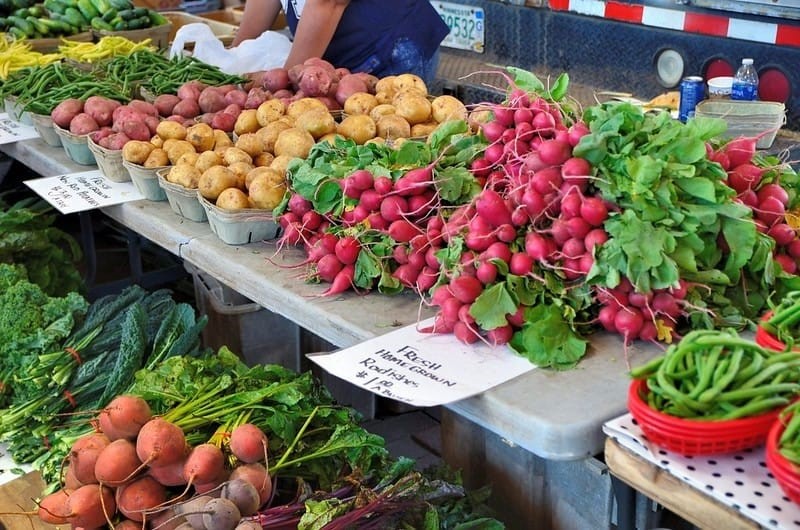
Finding suppliers with high-quality ingredients is the first step in keeping your guests safe from foodborne illnesses. In fact, it’s such an important stage in the foodborne illness prevention process, that the Minnesota food code has outlined rules defining exactly what approved food sources look like. The code outlines a few different rules based on the type of ingredient you’re bringing in to your establishment, so let’s take a closer look at how food safety managers can identify approved food sources in the state of Minnesota.

Food Safety Managers Identify Approved Food Product Sources
Image credit: Nick Saltmarsh via flickr

A Breakdown of Approved Product Sources for Food Safety Managers

Food safety managers should source their inventory from approved commercial sources under the jurisdiction of some sort of regulatory control. These sources generally fall into three categories:

  • Local, regional or international growers
  • Food manufacturing plants
  • Food distributors

Most restaurants and other eating establishments use nationally or regionally recognized distributors. As a food safety manager, you can be fairly confident that these distribution services are relying on regulated suppliers to fill their warehouses. However, some confusion can come into play when purchasing ingredients from smaller providers. If you’re dealing with suppliers directly rather than using a major distributor, how can you tell if it’s an approved source?

The Minnesota food code outlines a few special requirements for specific scenarios to be used by food safety managers.

  • Milk products must meet Grade A pasteurized standards.
  • Meat, poultry and game animals must pass USDA or Minnesota Department of Agriculture inspection.
  • Shell eggs must be clean, intact and meet grade B or better standards.
  • Liquid, frozen, dry or other egg products must be pasteurized.
  • Canned or bag sealed product must come from a licensed vendor
  • Molluscan shellfish must originate from a source on the Interstate Certified Shellfish List.
  • Wild mushrooms can only be sourced from a forager who has completed an approved mushroom identification course.

This may seem like a lot of different rules to follow, but with some common sense food safety managers should be able to source any ingredient from an appropriate source. If you’re buying wild game out of the back of a pickup truck, purchasing fish from hobbyist fishermen or sourcing wild mushrooms out of the trunk of a car in a back alley, you may not be getting your ingredients from an approved source.

Don’t be afraid to ask for proof of regulatory standards when purchasing products from smaller suppliers. Many of them will gladly share the appropriate certifications and in many cases make you aware of them on their order sheets or product guides.

Do you source all of your ingredients from approved sources?