Keep your MN kitchen running smoothly. We’re sharing real-world ServSafe & NEHA Best Practices to help you train staff and ace your next health inspection.

ServSafe Food Training On Takeout Orders

Sensational ServSafe Food Training On Takeout Orders

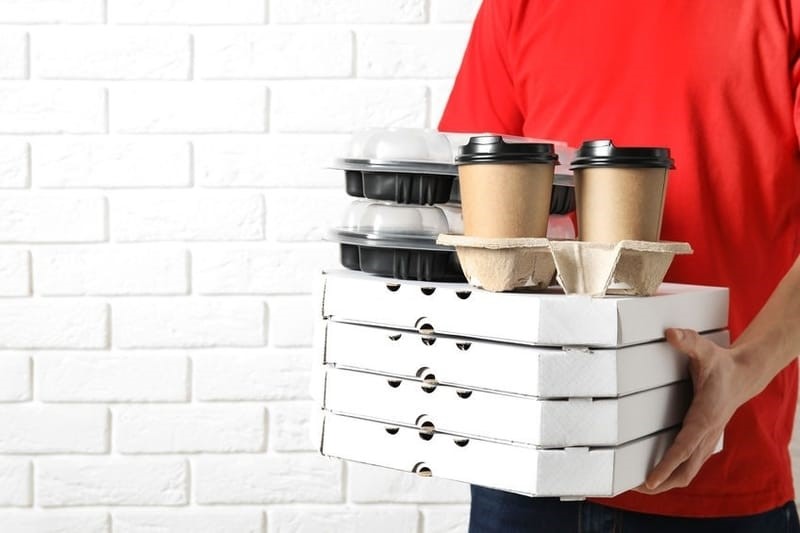
With the current limits on indoor dining, customers are more apt to order takeout instead of eating out. Takeout orders present different challenges to preserve quality and reduce foodborne illness risk, so it’s important to review ServSafe food training when it comes to these procedures.

ServSafe Food Training On Takeout Orders

ServSafe and Takeout Food Safety Training

With in-house dining, there aren’t as many variables as with takeout. Once your guest is seated in your dining room, they order their meal, food is prepared and served when ready. If your guest isn’t actually in the building at the time of their order, it adds a layer of complexity and can open up the possibility of foodborne illness risks.

The biggest window for foodborne illness risk and a reduction in quality occurs between the time the order is complete and the time the guest receives their order. In order to reduce this risk, it’s important to:

  • Keep food out of the danger zone
  • Reduce interval between the time food is prepared and handed to the customer

After bagging a takeout order, some restaurants are tempted to leave it near the hostess station or takeout counter so it’s on hand as soon as the guest arrives to pick it up. While that may meet minimum ServSafe food training requirements if left for a short period of time, as food cools into the danger zone the risk of bacteria growth increases. It also degrades the quality of the product a guest has ordered. Sauces can separate at room temperature and foods meant to be consumed cold just aren’t as appetizing when warm.

In times where takeout is a popular option, it’s important to devise a system that will keep foods at the appropriate temperature until guests arrive. Here are a ServSafe food training few tips:

  • Arrange specific pickup times
  • Utilize hot-hold storage and refrigerators to keep the product at the proper temperature
  • Assemble dishes involving both hot, cold and room temperature elements close to pick up time

If you take steps to ensure your product is in its best state when they arrive, you’ll give them the next best experience to enjoying their meal in your dining room.

Have you reviewed ServSafe food training procedures concerning takeout orders?

Foolproof Tasks For ServSafe Food Managers That Will Prevent Pests

Foolproof Tasks For ServSafe Food Managers That Will Prevent Pests

Estimated reading time: 3 minutes

Pests should be a concern of ServSafe food managers all year round, but we’re in unique times that may draw more pests to your food establishment than normal. Pests like raccoons, rats, mice and even black bears are seeking out new sources of food during cold weather. If you factor in reduced operations at many businesses due to COVID-19 restrictions, retail outlets, food businesses and other industries are producing less waste and less garbage forcing pests to range further and even move indoors to search for food. With the possibility of these pests becoming more aggressive in their quest for a free meal, what should ServSafe food managers do to prevent winter pests out of their establishments?

Tasks For ServSafe Food Managers That Will Prevent Pests
Image credit: Wavebreak Media Ltd via 123rf

ServSafe Food manager’s Guide to Preventing Pest Infiltration

When taking preventative measures against pests entering your food preparation facility, evaluate your entrances, dumpsters and outdoor dining areas. If animals are attracted to the exterior of your building, there’s a good chance they’ll be able to find a way inside.

ServSafe food managers should get into the habit of regularly scheduling staff to inspect and clean outside areas to prevent pests. With more outdoor dining due to limited indoor seating capacity, there’s more potential for food to be dropped or spilled. A messy outdoor dining patio will attract pests.

It’s also important to make sure dumpsters and garbage areas are also free from debris. You can also lock your dumpsters after hours to prevent larger urban mammals from rummaging through your trash. If they are unable to find sustenance in your trash, they’ll likely move on.

If you’ve taken care to keep your outside areas clean, it’ll be a helpful deterrent but may not give you total protection against pests entering your facility. ServSafe food managers should design pest prevention procedures to ensure the following happens every day:

  • All interior garbage cans are empty
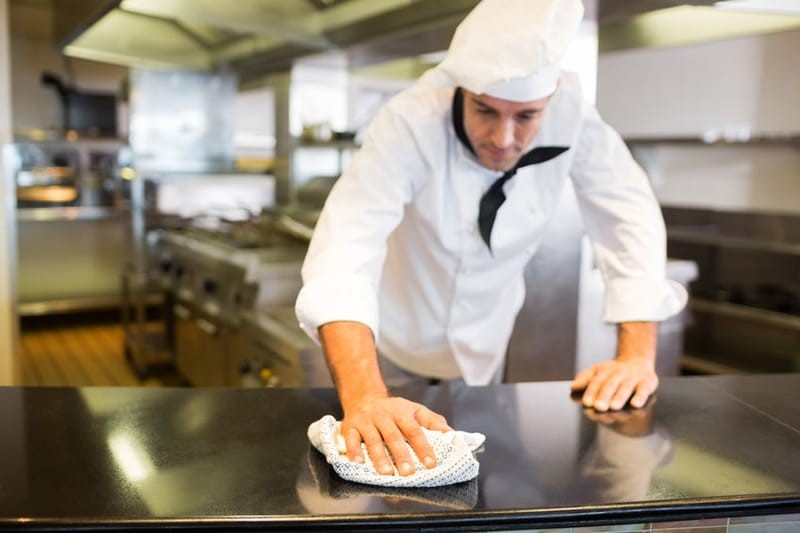
  • Counters and floors are cleaned and sanitized
  • All unpackaged inventory is stored off of the ground

Even if it’s just inside the kitchen, a full garbage can attract pests such as rodents and insects. Dirty floors and countertops release odors that attract unwanted visitors and become a breeding ground for fruit flies, gnats and other bugs.

Finally, make sure inventory such as produce is stored as far off the ground as possible. Ground level fruits and vegetables can be an open invitation.

Have you taken extra precautions to keep pests out of your food preparation areas?

How To Focus On Food Safety Management Training During COVID-19 Restriction

How To Focus On Food Safety Management Training During COVID-19 Restriction

Estimated reading time: 3 minutes

COVID-19 has dominated the news since the beginning of 2020, and many food businesses have struggled to find a way to keep their businesses open and continue serving their guests. While much of the food industry has focused on the balance between keeping their guests safe from the coronavirus and making a profit, it’s important not to let food safety management training take a back seat. Relaxing food safety management during these times can result in overlooking risks that could result in foodborne illness.

How To Focus On Food Safety Management Training During COVID-19 Restriction
Image credit: izikmd via 123rf

Keeping Food Safety Management Training a Priority

We understand that it takes a lot of effort to abide by StaySafeMN guidance for restaurants, and it should be a priority, but that can’t be an excuse to relax on other food safety management procedures.

Food safety managers are responsible for making sure staff understand and follow proper food handling procedures and times of reduced service are a great opportunity to monitor and provide a little extra on-the-job training. Since you’re taking the time to make sure employees understand mask rules, social distancing in dining areas and enforcing COVID-19 reservation-only regulations, you should also incorporate food safety training as well.

It’s quite easy to monitor and guide your staff on a few key issues as you go about monitoring coronavirus prevention protocols. Here’s a brief list of items that can be observed at the same time as StaySafeMN procedures:

  • Proper sanitation
  • Handwashing between tasks
  • Employee health
  • Hair coverings

Some of these things may look like items your staff should already understand, but during the course of your day, it’s easy to make sure. Food safety managers can enforce and provide training for sanitation procedures since it’s necessary for both coronavirus prevention and food safety. Handwashing can also be reviewed as it can be brought up easily given current circumstances.

When it comes to employee health, sick is sick regardless of whether it’s COVID or not. Daily employee health screenings implant the idea that fever, cough, runny nose, nausea and other symptoms disqualify a food worker from taking their shift. Train your employees to take their temperature before work if not done on-site, be aware of symptoms and call out sick if necessary.

Now that masks are required, kitchen workers must wear two important pieces of protection: a head covering and a mask. When training employees on how to properly wear a mask, you can also teach them the importance of wearing a proper head covering when working with food.

Where do ServSafe Food Managers Fit in the Coronavirus Vaccination Timetable?

Where do ServSafe Food Managers Fit in the Vaccination Timetable?

Estimated reading time: 2 minutes

With the current rollout of COVID-19 vaccines, there is hope that a state a herd immunity will be reached and that life as we know it will return to some sort of normal state. From a public health standpoint, there appears to be a lot riding on vaccinations, and if these efforts are successful, we’ll hopefully see our restaurants, eateries and other food preparation businesses flourish once again. Since we’re looking at a phased vaccination process, we’ve been asked when ServSafe food managers and other food industry professionals will be potentially eligible to begin the vaccination process?

Where do ServSafe Food Managers Fit in the Coronavirus Timetable
Image credit: Komsan Loonprom via 123rf

COVID-19 Vaccine Timetables and ServSafe Food Managers

Before we begin discussing the vaccine, we must stress that at Safe Food Training our focus is on food safety management and our expertise lies in that area, not in the medical field. However, it’s becoming vital to understand COVID-19 protocols and solutions that will keep our guests safe from potential infection and allow our local restaurants to reopen at full capacity. These vaccines could play a role in speeding up the reopening process, so when should ServSafe food managers get the option of taking the vaccine?

From our research, restaurant workers, food service professionals and ServSafe food managers in the private sector will probably have to wait until vaccination efforts have covered medical professionals, the potentially susceptible and other fields deemed “essential” by public health officials. There is, however, a portion of foodservice professionals that may be able to choose to be vaccinated earlier than others. You may want to discuss early vaccine options with your employer if you handle food in:

  • Hospitals
  • Medical Facilities
  • Long-Term Care Facilities
  • Nursing Homes
  • School Cafeterias

While front-line medical staff and the elderly should have first priority due to their increased potential for exposure and risk, food safety workers in these fields may be eligible in an earlier phase of the vaccine rollout than private-sector ServSafe food managers. Rules often change county by county and even from facility to facility, so if you’re in one of these positions, you may wish to discuss the vaccine timeline with your employer.

While many of us will have to wait to see when we’ll have the option to receive the vaccine, food industry professionals in high-risk facilities appear to be edging closer. Where do you think food industry professionals rank in the vaccine line?