Keep your MN kitchen running smoothly. We’re sharing real-world ServSafe & NEHA Best Practices to help you train staff and ace your next health inspection.

Special COVID-19 regulations on HVAC for food protection managers

Certified Food Protection Managers, COVID-19 and HVAC Systems

As we continue to reopen restaurants, bars and other eating establishments, certified food managers now have both the responsibility to keep the food they serve safe and to help prevent the spread of the Corona Virus. We’ve covered protocols such as social distancing, limited capacity and the reservation requirement, but the guidance provided in the Stay Safe MN for food businesses details more than just how to serve your guests. This guidance also involves specific rules regarding the ventilation systems in eateries, we’d like to take the time to outline Minnesota’s guidelines for HVAC systems during COVID-19 restrictions for certified food protection managers in food businesses.

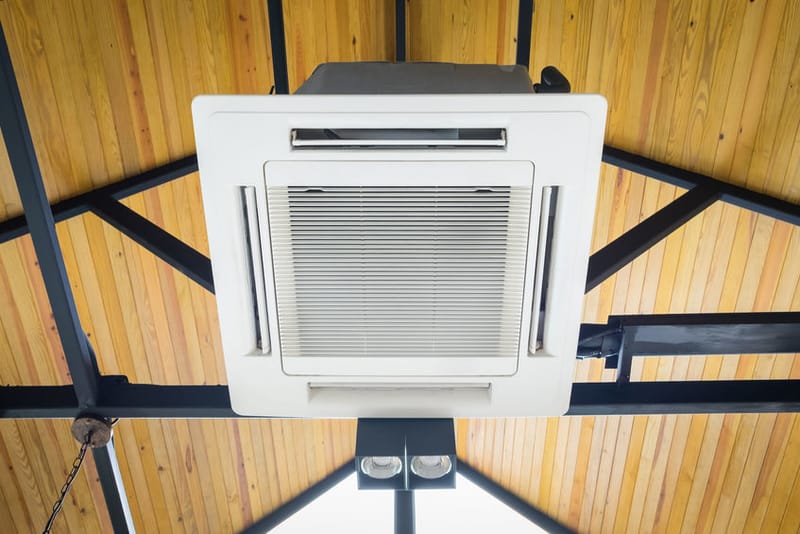
Image credit: 123rf Worawut Kertchot 

Certified Food Protection Manger’s Guide for COVID-19 HVAC Regulations

The Stay Safe MN plan has four basic rules that certified food protection managers should initially consider concerning their current HVAC system:

  • Can the outdoor air percentage be increased to reduce reliance on circulated air?
  • If your establishment relies on recirculated air, are your filters MERV-13 or better?
  • Have my HVAC filters been replaced before reopening?
  • Have I had an HVAC professional evaluate my ventilation?

The theory behind some of these rules is that if we can provide an environment the lowers the risk of COVID-19 circulating through our air, we might be able to greatly reduce the risk of infection. If we limit the amount of recirculated air and introduce air from the outside, the atmosphere in our dining areas are constantly diluted and replaced with fresh air from the outside. In an environment where air is constantly recirculated, we run the risk of simply recirculating contaminated air.

If you must rely on recirculated air, there’s no reason to give up hope of reducing the risk of the spread of COVID-19 in your establishment. The recommends your filters be MERV-14 rated, however, MERV-13 filters are allowed. Your filters also should be replaced before reopening. Not only should filters be replaced, but you must also ensure they’ve been installed properly in order to prevent air from bypassing the filters and entering your dining room potentially contaminated.

Finally, it’s important to have a trained HVAC professional evaluate your system. As a certified food protection manager, Certified Food Protection Managers already have a lot on your plate, especially during COVID-19 restrictions, so bringing in someone who is more prepared to evaluate your HVAC system, change filters and make any adjustments necessary would be prudent.

Have you made sure you’re ventilation system is compliant with the Stay Safe MN plan?

Food Managers Space for Outdoor Seating

How Food Managers Can Find Space for Outdoor Seating During COVID-19

June 1st signified the date in which restaurants, cafes and bars could begin seating customers, but with one catch. All seating must take place outdoors, and all tables must be at least six feet apart. While some larger restaurants may already have patio seating that accommodates these rules, what can food managers do if they don’t already have a patio or designated outdoor eating space?

How Food Managers Can Find Space for Outdoor Seating During COVID-19
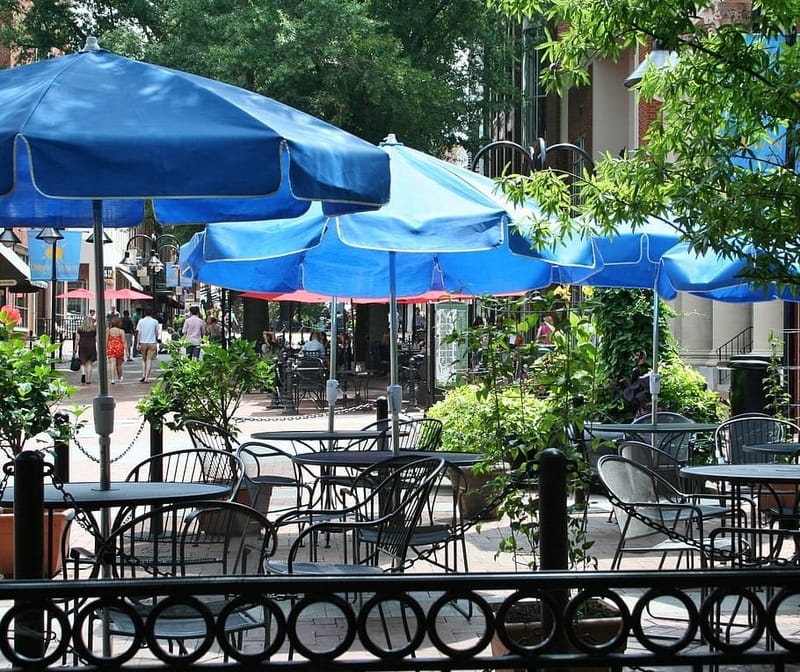
Image credit: Pxfuel

Outdoor Dining Seating Tips for Minnesota Food Managers

The unfortunate part of this regulation is that it puts food managers at smaller restaurants at a disadvantage, since they simply may not have the space to set up outdoor seating, but you may have a few options.

  • Utilize parking spaces
  • Request permission to use sidewalks or alley spaces

If your restaurant has a parking lot, even a small one, you may be able to convert part of it into an outdoor dining area. Since you’re currently required to limit seating to the outdoors, your parking lot won’t be used to its full capacity. Try setting up portable pavilions, roping off sections of tables or getting creative with your seating layout. Keep in mind, under current rules all tables must be at least six feet apart and no more than fifty people, staff and guests can be on the premises at one time.

What can food managers in Minnesota do if they don’t have a parking area to utilize for outdoor seating? Well, this is when it comes time to get a little creative. There are different sidewalk rules in different jurisdictions, but you may wish to consider working with the local authorities to create dining space on the sidewalk in front of your establishment. This may only be one or two tables, but it could be a start to tiding guests over until they are able to once again dine indoors.

How is your restaurant dealing with the new outdoor dining rule as we begin to reopen for business?

Servsafe MN Guide to Outdoor seationg during COVID-10

ServSafe MN Guide to Outdoor Seating and COVID-19

With the gradual reopening of business in Minnesota, restaurants, bars and eateries have been given the go-ahead to begin sit-down service as long as all seating is outdoors and meets certain criteria. Today, we’d like to give you a brief overview as to what the rules are concerning outdoor seating during this phase of reopening Minnesota during COVID-19 and provide a few ServSafe MN tips on how to serve your customers better under these regulations.

ServSafe MN Guide to Outdoor Seating
Image credit: PxHere

Outdoor Seating and ServSafe MN Tips During Corona Virus

Minnesota restaurants are able to serve guests in person starting June 1st, but it’s important to emphasize that all seating must occur outside. Here’s a quick breakdown of outdoor seating regulations:

  • Reservations are required
  • Employees must wear masks, guests encouraged to wear masks when not eating
  • No more than 50 total people, guests and staff, on the premises
  • Tables must be separated by at least six feet
  • No more than four guests from different households at one table, up to six if all members reside together

The interesting thing here is that guests must have a reservation before arriving at your restaurant. This can be hard to accomplish for restaurants who are not normally accustomed to taking reservations. Make sure that you space out reservations to ensure there is little chance for an overlap that creates a situation where several guests may be forced to congregate near your restaurant with other guests who may not be in their party.

Masks have been required since restaurants were given the ability to provide takeout service, so hopefully your staff will be used to wearing them by now. The unfortunate part is that now there will be more interaction with guests and the mask presents a communication issue. If you have access to a portable POS system such as a table-top kiosk or tablet where guests can place their own order, this may smooth the process and allow diners to place their order remotely. Please note that regulations ask you to recommend guests wear masks when not eating.

Finally, make sure that all tables are six feet apart. This recommendation doesn’t exclusively refer to the physical table itself, but the table and the space guests occupy around it, so you may wish to provide a little extra buffer room for guests to maneuver in the outdoor dining area. These tables cannot be occupied by more than four guests unless they are from the same household, then you’re permitted to seat up to six at the table.

Make sure that your staff is trained in the current ServSafe MN sanitation guidelines before you open with outdoor seating, and hopefully, Minnesota will soon be on the path to recovery and a thriving restaurant industry.

certified food managers spacing tables for social distancing

Certified Food Managers and Social Distancing in Eateries

As we prepare for the future of restaurant service, it’s important to look ahead to some new protocols that food managers may be required to utilize as Minnesota restaurants and cafes prepare to reopen their doors for in-house service. There is some speculation that Minnesota restaurants will have to follow some sort of social distancing in order to reduce the risk of a second COVID-19 outbreak. We’ve taken a look at what some other states are doing and have some tips for certified food managers on social distancing once business resumes.

Food managers preparing for social distancing in eateries

How can Certified Food Managers Enact Social Distancing?

It’s been put forth by health officials that people should maintain a space of at least six feet apart while in public, but how would this look in restaurants?

The first thing that becomes apparent is that restaurants, cafes and other sit-down eateries will have to reduce their maximum capacity, at least at first. Multi-sectioned restaurants can achieve this by opening up the entire dining floor, even on days when business wouldn’t normally warrant having multiple seating sections. This can provide adequate space for guests with tables being more than six feet apart. Food establishments with small dining areas may not be able to seat in multiple sections, but certified food managers should rearrange dining space to ensure tables meet future social distancing protocols.

There will be times when social distancing won’t be an option, such as in cafes where the register is next to baristas. In this case, you may wish to install a shield or a sneeze guard that is hung in a way where there are no openings at mouth level. Leaving a small space between the counter and the start of the shield will allow payment and wrapped baked goods to be passed back and forth.

What about service staff? It’s impossible for orders to be taken and food delivered from six feet away. This is a scenario where a tabletop ordering system could help promote social distancing. If guests can place and pay for their order remotely, then this greatly reduces interaction between server and guest. Food will still need to be brought to the table, and at this point we can only assume certified food managers will require staff to wear masks and gloves for kitchen-to-table delivery and situations where servers must take an order in person.

Do you have plans for potential social distancing regulations once your restaurant reopens?