
Keep your MN kitchen running smoothly. We’re sharing real-world ServSafe & NEHA Best Practices to help you train staff and ace your next health inspection.

A Minnesota Certified Food Protection Manager's Response to flattening the curve of COVID-19

A Minnesota Certified Food Protection Manager’s Response to COVID-19

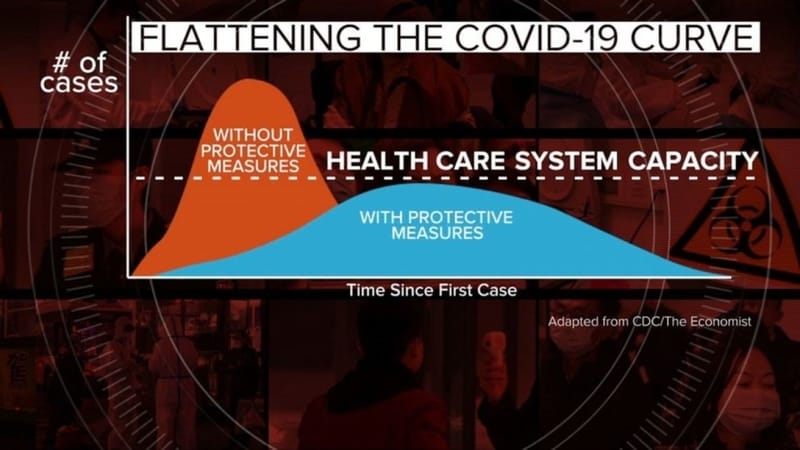
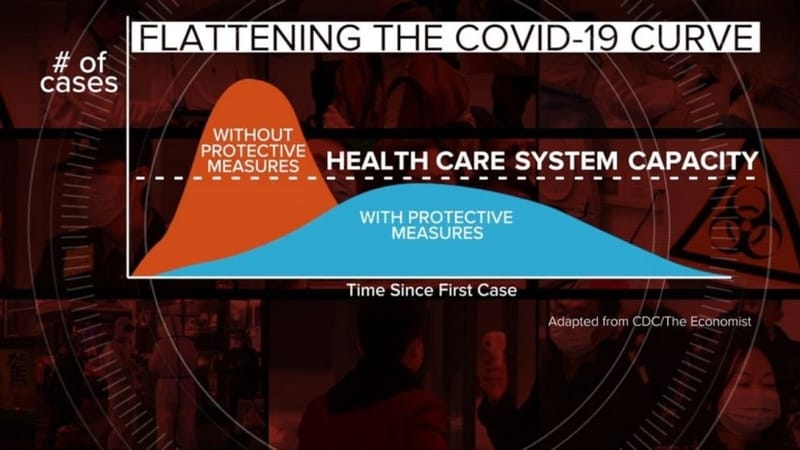
At Safe Food Training, we recognize that we’re now in unprecedented times. Government mandates call for reduced service, including a statewide appeal to restaurants to close dining rooms and offer takeout or delivery only. MN certified food protection managers must now respond to the COVID-19 threat and flattening the curve as well as keeping food safe for customers.

A Minnesota Certified Food Protection Manager's Response to COVID-19
Image credit:CDC/The Economist

Lessons for Minnesota Certified Food Protection Managers Taken from West Coast Response to COVID-19

Over the course of our years of food safety training, we’ve been fortunate to not only make contacts with foodservice professionals in our state but keep in touch with contacts elsewhere. With the current situation involving the coronavirus, we’ve been in touch with a friend and colleague who currently resides in the Seattle metro area. If you’ve been following the news, Washington State has the unfortunate distinction of having some of the first cases of the virus, as well as being one of the leaders in the United States in positive cases and fatalities. We’ve reached out to learn more about how the restaurant industry is responding in an effort to see what they can do in our state to help slow this epidemic.

As you are already aware, the Governor of Minnesota has already asked restaurants to limit access to restaurants and bars by closing dining rooms and providing takeout service, drive-thru or delivery on March 17th. Washington State issued a similar edict taking place on the same day. This should be good news for Minnesota restaurateurs. Not waiting until exposure levels of COVID-19 reach Washington State levels gives us the potential to return to business as usual sooner rather than later. At the time of our conversation with our connection in Washington, Minnesota has only one COVID-19 fatality among 137 positive cases. Washington has over 1,500 confirmed cases of COVID-19 with 83 deaths, with more cases expected daily. Our Seattle colleague is hearing that due to the delay in action, restaurants in some counties are preparing to close longer than their mandated 14 days.

So how should certified food protection managers process these COVID-19 statistics? Granted, we are not Washington State, but we’re talking about a virus that currently has no vaccine or FDA approved treatment. We should be very concerned with the health and wellbeing of our customers and their families. The sooner we see results and a decline in cases, the sooner we can get our restaurants open and profitable again.

It’d take quite some time to cover everything in our discussion with our friend in Seattle, but we hope to break some of that information down to share with you soon. Here are some of the things health inspectors and foodservice business owners in the Pacific Northwest are currently recommending to stem the tide of COVID-19 :

  • Increase handwashing frequency
  • Increase the frequency of sanitation, especially at pick up counters guests may visit
  • Take social distancing seriously
  • Provide curbside pickup unless impossible
  • Take credit card information via phone to limit contact
  • Close when necessary or reduce hours of operation to only cover dining hours; mainly breakfast, lunch and dinner
  • Reduce menu options to reduce waste

Safe Food Training will do whatever we can to update and provide as much information as we can to help certified food protection managers navigate these tough times caused by COVID-19. How are you dealing with the new restrictions on food service during this outbreak?

ServSafe Managers and Sprouts

ServSafe Managers and Sprouts

The danger of serving fresh spouts has once again come to national attention as the FDA has recently issued a warning letter to the national sandwich chain Jimmy John’s. Sprouts have often been the culprit in foodborne illness outbreaks, and this recent warning should serve to alert all ServSafe managers to the dangers of serving this popular vegetable.

Servsafe Managers and sprouts on a sandwich

Can ServSafe Food Managers Safely Serve Fresh Spouts?

The FDA’s warning to Jimmy John’s came after 22 people in Iowa were stricken with E.coli after including sprouts as an ingredient in their sandwich. This wasn’t, however, an isolated incident involving one location as sprouts served to customers from several different franchise locations have sickened customers in the past.

This specific sandwich franchise has been implicated in more than its share of outbreaks involving sprouts and E.coli or salmonella. Most recently, the chain was implicated in s February 2019 E.coli outbreak in Minnesota and Wisconsin, and in the past was blamed for a six-state outbreak in 2014 and an 11-state outbreak in 2012. As a result, the company has taken steps to stop the outbreak by removing sprouts as an offering at all of their locations.

With such a variety of locations and circumstances, but the same ingredient, what steps could have been taken to prevent the spread of illness?

In cases such as these involving such a sensitive ingredient, ServSafe managers should first look to where they source their ingredients from. Sprouts are commonly contaminated where they are grown and many times rinsing and washing cannot remove the bacteria before the ingredients have been served to guests.

If it’s so hard to prevent the spread of illness from sprouts once the ingredient reaches your establishment, what should ServSafe managers do to keep this ingredient safe?

The first step is to know your source. Keep an eye on recalls and outbreaks from farms and other companies that supply sprouts. If your provider has a track record of shipping contaminated product, you may wish to search for a sprout supplier that hasn’t been implicated in any foodborne illness cases.

Finally, make sure you inspect all incoming spouts and look for signs of contamination. Some signs may include traces of dirt or other contaminants, brown or sickly looking roots and musty smells. These are three common signs that your sprouts may be contaminated or not as fresh as they claim to be. With an ingredient such as fresh sprouts, you’re better off not serving them rather than taking a chance on a shipment that has the potential of sickening your guests.

Do you, as a Servsafe manager, serve sprouts in your establishment?

ServSafe Food Managers Keep Food Safe

How ServSafe Food Managers Keep Food Safe During High Volume

Once February 14th hits, ServSafe food managers can expect their business double, triple or even quadruple for a few days compared to the norm. We believe food safety protocols should be followed to the letter no matter how busy it is, so this week we’ll take a look at common lapses during high volume and how ServSafe food managers can keep food safe

ServSafe Food Managers Keep Food Safe
Image credit: weedezign via 123 RF

ServSafe Food Manager Certification Standards for Food Safety While The Kitchen Is At Capacity

When we get busy, we sometimes tend to focus on our main goal, and when it’s food service on one of the busiest days of the year we’re talking about getting food to guests as quickly as possible so we can move on to the next order. It doesn’t matter if your receipt printer has spit tickets out in a string that reaches the floor or if you have a VIP at table three, food safety should be a high priority. Here are the two biggest neglected issues we see when restaurants get busier than average.

  • Handwashing
  • Barehand contact

Every ServSafe manager and food service employee should have it engrained in their mind to wash their hands frequently, and during exceptionally busy nights, handwashing can be neglected or just improperly performed. Handwashing needs to happen often, and it needs to be done right. We’re not talking about a quick rinse in lukewarm water with a dab of soap, we’re talking about proper 20-second handwashing with plenty of soap and hot water. We get it, 20 seconds seems like an eternity with servers pestering cooks looking for an ETA on their favorite guests’ meals or when the ding of the order printer ceaselessly calls you back to the line, but 20 seconds could be the difference between safe food and a sick guest.

Barehand contact rules can also be easily forgotten under duress. Tongs or gloves must be used when handling ready-to-eat foods and hands must be washed when changing gloves. To keep this freshly in your staff’s mind, make preparations to stock extra boxes of single-use food-service gloves anywhere in the kitchen where they’ll be used. Remind your employees that gloves are no substitute for handwashing after using the restroom, eating or handling raw ingredients.

Do you have any other tips to help fellow ServSafe food managers keep their food products safe this Valentine’s Day?

Hard-Boiled-Egg-Recall

The Problem with the Hard-Boiled Egg Recall for ServSafe Managers

Recently, a listeria outbreak lead to a major recall of hard-boiled eggs produced by a company that supplies their product to restaurants, food processors and retailers. We’ve looked into this recall, and it appears that while some of these precooked hard-boiled eggs did make their way to grocery store shelves, most of them were shipped to food service establishments, and in some cases food preparers that have used these eggs as ingredients in other prepackaged ready-to-eat products. These kinds of recalls send up a red flag for us since ready-to-eat food recalls tend to escape the notice of ServSafe managers.

Hard-Boiled Egg Recall

Image credit: Wikimedia Commons

ServSafe Managers and the Hard-Boiled Egg Recall

One of the biggest issues with the recall of a product such as pre-cooked hard-boiled eggs is awareness. Most of the recalls that draw the attention of ServSafe food managers involve raw product such as romaine lettuce, ground meats and other items used as ingredients. These outbreaks are usually wider spread and grab national headlines.

As stated in the FDA report, one major component of this recall included eggs shipped in five-pound containers for use in foodservice. Many operations bring in already cooked hard-boiled eggs as a time saver if they include whole eggs as part of breakfast service or prepare menu items made from hard-boiled eggs. The extent of this recall should be a wakeup call that foodservice professionals must be more vigilant with all ready-to-eat product they bring in to serve to guests and use as ingredients for certain recipes.

If you use precooked product in your establishment, you should frequently take a look at the FDA’s recall list. While many recalls of ready-to-eat food involve products shipped directly to grocery stores and consumers rather than food service businesses, there are times when contaminated prepared product ends up in industrial kitchens. Awareness and keeping alert for any recall will help prevent the spread of foodborne illness outbreaks.

Do you use already prepared product in your business?