Keep your MN kitchen running smoothly. We’re sharing real-world ServSafe & NEHA Best Practices to help you train staff and ace your next health inspection.

Shocking Truth: Is Your Food Really Safe from COVID-19 Contamination?

As food safety managers, you play a critical role in both implementing proper safety protocols and communicating accurate information to staff and consumers. A common question since the emergence of COVID-19 has been whether the virus can be transmitted through food consumption. Let’s address this concern with current scientific evidence about COVID-19 contamination in food.

COVID-19 Contamination and Food: The Current Evidence

COVID-19 Contamination

According to the CDC, FDA, WHO, and other leading health authorities, there is no evidence that COVID-19 can be transmitted through food consumption. SARS-CoV-2, the virus that causes COVID-19, primarily spreads through:

  • Respiratory droplets when infected individuals cough, sneeze, or talk
  • Close person-to-person contact
  • Contact with contaminated surfaces followed by touching the eyes, nose, or mouth

Unlike foodborne pathogens such as Listeria or E. coli, SARS-CoV-2 is a respiratory virus that requires host cells in the respiratory system to replicate. Even if the virus were present on food, it would need to survive:

  • The acidic environment of the stomach
  • Digestive enzymes throughout the gastrointestinal tract

Both conditions significantly reduce viral viability, making food consumption an extremely unlikely transmission route.

Food Packaging Considerations for COVID-19 Contamination

While the virus may potentially survive on packaging surfaces for short periods, the risk of transmission via food packaging is considered very low. Standard food safety cleaning and sanitizing procedures effectively eliminate the virus from surfaces.

Focus Areas for Food Safety Managers

Rather than concerning yourself with the unlikely transmission through food itself, focus on:

  1. Worker Health Screening: Implement consistent protocols to ensure food handlers with COVID-19 symptoms or exposure are excluded from the workplace
  2. Respiratory Hygiene: Ensure proper mask wearing according to current local guidelines
  3. Enhanced Handwashing: Reinforce the importance of thorough and frequent handwashing
  4. Surface Sanitization: Maintain rigorous cleaning schedules for high-touch surfaces in your facility
  5. Social Distancing: Configure workstations to maximize distance between employees where possible

Communication Approach

When addressing staff or customer concerns:

  • Provide clear, science-based information
  • Emphasize that standard food safety protocols remain effective
  • Highlight the additional measures your facility has implemented
  • Direct them to credible sources like the FDA or CDC for further information

By focusing on these established risk mitigation strategies, food safety managers can effectively protect both staff and consumers while maintaining confidence in the safety of the food supply chain.

service animals in restaurants

Service Animals in Restaurants: Vital Rules You Must Know Now

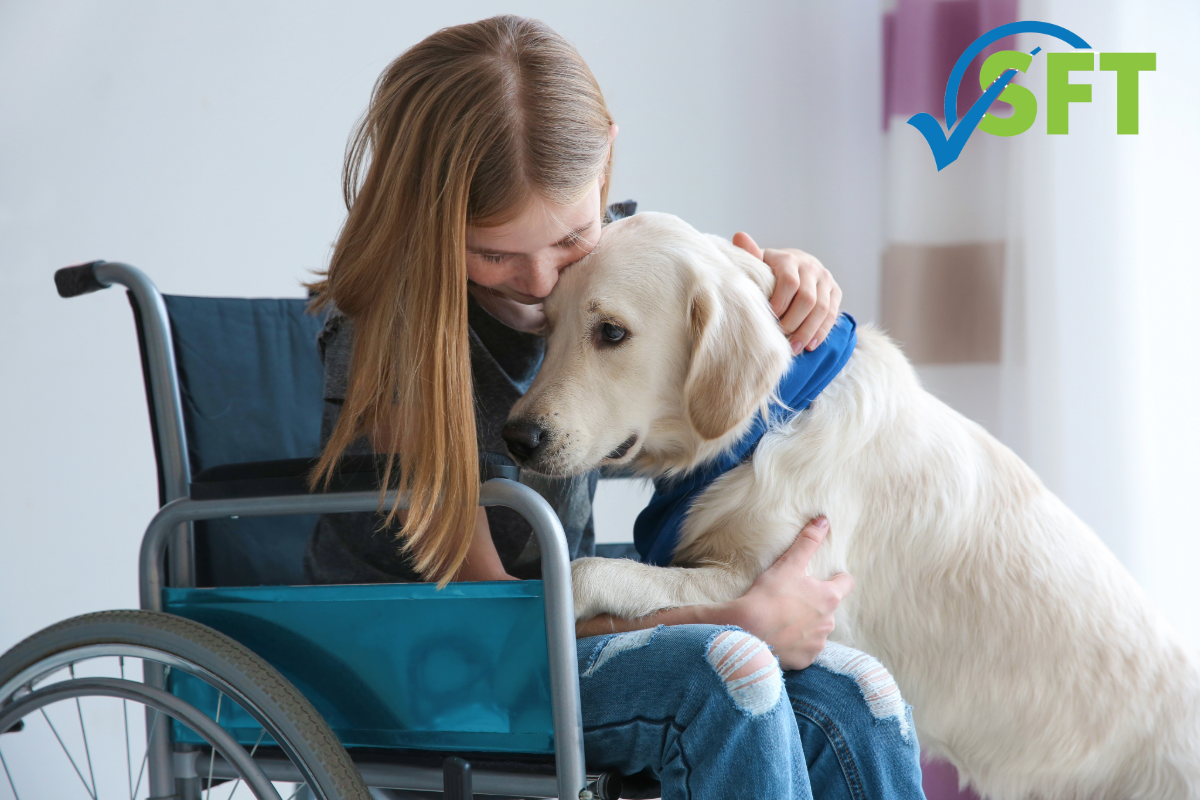
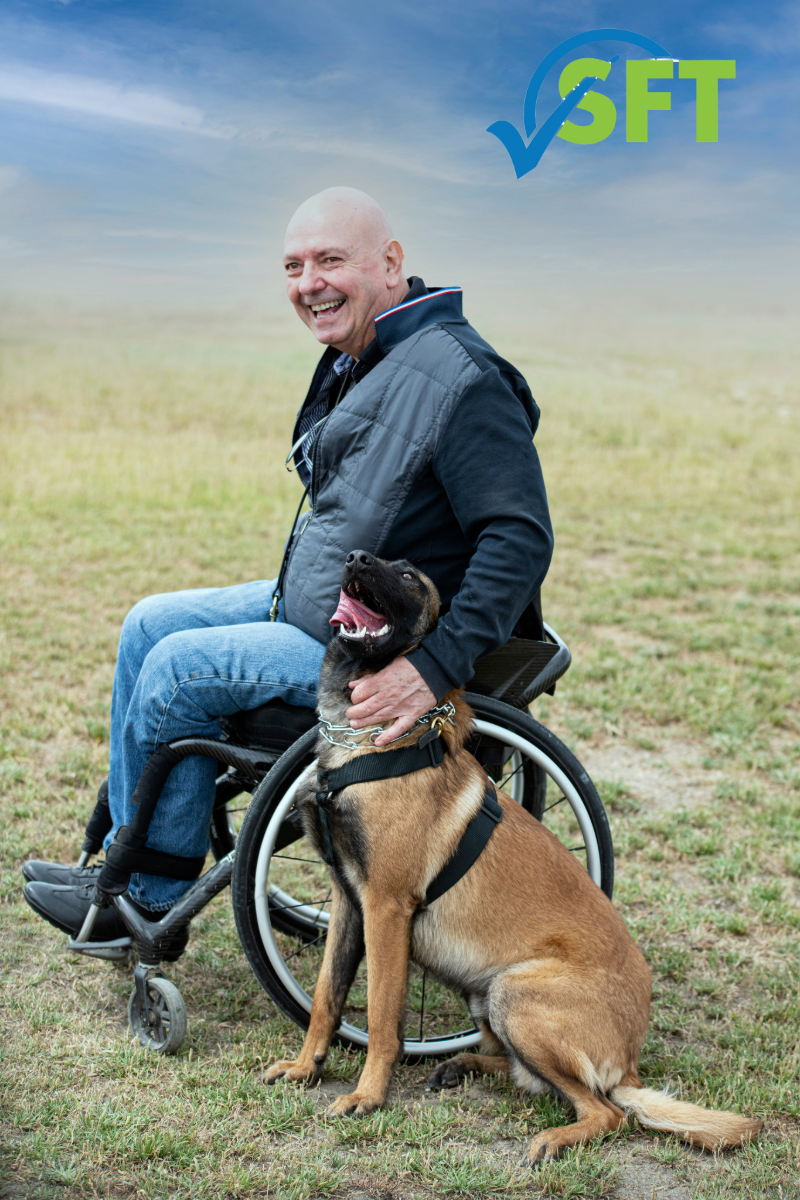
As a Certified Food Protection Manager in Minnesota, you know that balancing public health regulations with excellent customer service is a daily priority. A key part of this is understanding how to accommodate service animals properly in restaurants. This isn’t just about following the law; it’s about creating an inclusive and welcoming environment for all guests, including the half a million American adults with disabilities who rely on service animals to navigate their daily lives.

Understanding the Legal Definition of a Service Animal

service animals in restaurants

Learn the rules for service animals in restaurants!

The foundation of proper handling is knowing exactly what constitutes a service animal under the law. The Americans with Disabilities Act (ADA) has a specific definition that distinguishes these animals from pets or emotional support animals. Getting this distinction right is the first step in confident and compliant service.

  • What a Service Animal Is: Under the ADA, a service animal is a dog that has been individually trained to do work or perform specific tasks for a person with a disability. The service animal’s tasks must directly relate to the person’s disability.

  • Emotional Support Animals Are Different: It’s crucial to understand that emotional support, therapy, comfort, or companion animals are not considered service animals under the ADA. These animals have not been trained to perform a specific job or task and, therefore, are not granted the same legal access to public places like restaurants.

  • The Two Questions You Can Ask: Your staff is legally permitted to ask only two questions when the need for a service animal is not obvious: (1) “Is the dog a service animal required because of a disability?” and (2) “What work or task has the dog been trained to perform?” You cannot ask about the person’s disability or demand any documentation.

Your Legal Obligations for Service Animals in Restaurants

Once a service animal is identified, your obligations are clear. The ADA mandates that service animals in restaurants be allowed to go wherever customers are generally allowed. This federal law supersedes any local health codes that might otherwise prohibit animals in a dining establishment.

  • No Extra Charges or Segregation: You cannot charge a customer a fee for bringing a service animal, nor can you require them to sit in a specific section of your restaurant. They must be treated like any other guest.

  • When You Can Ask an Animal to Leave: Your right to remove a service animal is very limited. You may only request that an animal be removed if it is out of control and poses a threat to others. This includes excessive barking or jumping on other people. Additionally, if the handler does not take effective action to control it, or if the animal is not housebroken.

  • Allergies and Fear Are Not Grounds for Removal: A common concern is the reaction of other patrons. However, allergies or a fear of dogs are not valid reasons for denying access or refusing service to a person with a service animal. Staff should manage these situations by relocating the concerned patron to a different area, if possible.

Best Practices for Staff Training and Patron Communication

Are service animals in restaurants okay?

Are service animals in restaurants okay?

Proactive training is the most effective tool for ensuring smooth interactions and avoiding legal missteps with service animals in restaurants. When your team is confident in the rules, they can handle any situation with professionalism and grace, protecting both the customer’s rights and your business’s reputation.

  • Train for Real-World Scenarios: Your training should go beyond the basics. Role-play scenarios with your staff on how to ask the two permissible questions, how to politely explain the policy to other guests who may complain, and how to address a situation where a service animal is being disruptive.

  • Keep Food Safety in Mind: While service animals are allowed in dining areas, they can be legally excluded from food preparation areas, such as the kitchen. Ensure your staff understands this distinction to maintain compliance with health codes.

  • Educate All Customers: Consider placing a small, professionally worded sign near your entrance that states your compliance with ADA regulations regarding service animals. This can help educate all patrons and prevent misunderstandings before they arise.

Navigating the rules for service animals in restaurants is a critical skill for every Certified Food Protection Manager. Proper training ensures you can serve all members of your community safely and legally.

Ensure you and your team are fully prepared to meet all of Minnesota’s food safety and public health standards. 

Enroll in our personalized, instructor-led Certified Food Protection Manager course with Safe Food Handling in Minnesota today.

Avian Flu Outlook

Avian Flu Surge: Cases Soar and Poultry Crisis Hits Indiana

The ongoing avian flu (H5N1) outbreak has raised significant concerns regarding public health and agriculture. As the virus continues to affect poultry populations, understanding its implications is crucial for food protection managers and stakeholders in the agricultural sector.

Human Avian Flu Case Update

Recently, two individuals in the United States were hospitalized with H5N1 infections, one in Wyoming and another in Ohio. Both cases involved exposure to infected birds. While the patients are currently recovering, these incidents underscore the rarity of human infections. Health officials emphasize that there has been no evidence of human-to-human transmission. This is a critical factor in managing public health responses.

More Egg Layers Culled

Image credit: alsavavia 123rf

The impact of H5N1 (avian flu) on the poultry industry has been severe, with significant outbreaks reported across commercial farms. In Ohio alone, over 3 million hens have been lost due to the virus. This has led to substantial economic consequences, including egg shortages and rising prices. To combat the spread of the virus, measures such as culling infected flocks and enhancing biosecurity protocols are being implemented across affected areas.

In Indiana, the situation has also become concerning, with recent detections of H5N1 in multiple poultry flocks. In the past week alone, eight new cases have been reported. Local farms and wildlife have been affected. The Indiana Department of Agriculture has responded by increasing monitoring efforts and issuing public advisories to keep the community informed about the risks associated with avian flu.

To mitigate the risks associated with H5N1, poultry farmers and bird owners are encouraged to adopt stringent biosecurity measures. This includes limiting access to poultry farms and maintaining proper sanitation practices. Ensuring that any sick or dead birds are reported to local authorities immediately is also critical. For the general public, it is essential to understand that properly cooked poultry and eggs remain safe to consume, thereby minimizing unnecessary panic.

In conclusion, the avian flu outbreak highlights the importance of vigilance. Adherence to health guidelines is crucial. Ongoing efforts by health and agricultural agencies are critical in managing and containing the outbreak. This ensures that both public health and the poultry industry are protected. By staying informed and proactive, food protection managers can play a vital role in safeguarding the food supply and public health during this challenging time.

Expert Tricks for Keeping Buffet Items at Safe Temperatures

Keeping buffet items at safe temperatures is crucial for both food safety and quality. Proper temperature control prevents the growth of harmful bacteria and ensures that your guests enjoy a safe and delicious dining experience.

Temperature Control and Monitoring

Understanding the Temperature Danger Zone

The temperature danger zone, ranging from 41°F to 135°F (4°C to 60°C), is where bacteria multiply rapidly. Foods should not remain in this range for more than 2 hours, or 1 hour if the ambient temperature is above 90°F (32°C).

Expert Tricks for Keeping Buffet Items at CFPM Safe Temperatures
Image credit: vershininphoto via 123rf

Utilizing Food Thermometers for Precision

Use calibrated, digital food thermometers for accurate temperature monitoring:

  • Check hot foods every hour
  • Monitor cold foods every 2 hours
  • Record temperatures in a log for tracking and accountability

Regular temperature checks ensure that buffet items remain at safe temperatures throughout service.

Implementing Effective Heating Solutions

To keep hot foods at 135°F or warmer, use equipment such as:

  • Chafing dishes with fuel
  • Electric warming trays

Hot dishes such as meats, casseroles, and soups should be kept at a minimum temperature of 135°F to prevent bacterial growth.

Ensuring Cold Food Stays Cold

Maintain cold foods at or below 41°F (4°C) using:

  • Ice baths or nesting dishes in bowls of ice
  • Refrigerated or insulated serving units
  • Well-insulated coolers or containers

Replace ice as it melts and use shallow containers to help maintain cold temperatures.

7 Best Practices in Food Handling and Hygiene

  1. Preventing Cross-Contamination
  2. Separate raw and cooked foods during storage and preparation
  3. Use color-coded cutting boards and utensils
  4. Arrange foods strategically in the buffet area to prevent cross-contamination
  5. Importance of Staff Training and Supervision
  6. Develop a comprehensive training program on food safety and temperature control
  7. Conduct regular refresher courses

Additional Tips for Keeping Buffet Items at Safe Temperatures

  • Use a food thermometer to regularly check the internal temperature of dishes
  • Keep extra hot items in warming ovens and cold items in refrigerators until needed
  • Discard perishable foods that have been left out for more than 2 hours (1 hour in hot weather)

By implementing these practices for keeping buffet items at safe temperatures, food managers can significantly reduce the risk of foodborne illnesses and maintain the quality of buffet offerings.