
Is Minnesota affected by the meat recall?
As of September 24, 2026, FSIS had not identified any Minnesota distribution sites in its public notice. The 167,639-pound recall covers raw beef, pork, and goat sent to retail and restaurant locations nationwide. Minnesota food businesses should check invoices, outer case labels, and freezer inventory rather than assume they are unaffected.
What Was Recalled?
On September 22, 2026, FSIS announced that Star Meat Delivery Inc. of Lucama, North Carolina, was recalling approximately 167,639 pounds of raw pork, beef, and goat products. FSIS classified the action as a Class I recall, its highest health-risk category.
The cases bear a false USDA mark with the establishment number EST. 1363, which does not have a federal grant of inspection. The recalled raw items sent through Georgia distributor A&D Foods include a variety of specific cuts:
-
Beef Products: Sliced ribeye, thin-sliced beef chuck, oxtail, short ribs, shanks, beef ribs, beef feet, tripe, and stew meat.
-
Pork Products: Pork belly, pork chops, spare ribs, pork loin, shoulder cuts, and pork feet.
-
Goat Products: Bone-in goat meat cuts, whole carcass portions, and cubed goat stew meat.
Following the USDA announcement, Star Meat Delivery Inc. issued an official statement clarifying that they are cooperating fully with federal regulators to resolve the inspection status discrepancy and ensure all distributed inventory is properly accounted for and retrieved.
Why a False USDA Mark Is a Serious Food Safety Issue
A legitimate USDA inspection mark tells a buyer that meat was produced under federal inspection. It is part of the traceability trail a manager uses when a distributor sends a recall notice.
FSIS says uninspected products may contain undeclared allergens, harmful bacteria, or other contaminants. No illnesses or injuries had been confirmed at the time of the announcement, but a potentially affected product should never stay in inventory or reach a plate.
What Minnesota Restaurants and Food Businesses Should Do Today
Start with what you can pull quickly: invoices, receiving logs, and freezer inventory. Check purchases from A&D Foods, then ask your distributor whether it handled any A&D Foods products. Match cases and shipping documents against the official FSIS product list.
FSIS says the product list and labels may be updated, so use that live notice, not a screenshot or news summary, to confirm a potential match.
Do not rule out a match just because an individual package lacks EST. 1363. FSIS notes that retailers may have applied their own price stickers, leaving the false inspection mark on the outer case.
If you find a potentially affected item:
-
Stop serving or selling it immediately and keep it separate from usable inventory.
-
Contact your distributor to confirm whether the item is affected and follow its return or disposal instructions.
-
Record the product, quantity, purchase date, distributor, and action taken.
-
Tell the people responsible for ordering, receiving, and prep what has been removed from use.
Whether it’s a Minneapolis lunch rush, a St. Cloud caterer’s prep day, or a Duluth care kitchen’s freezer count, the steps should stay simple: identify, stop service, notify, and document.
Why This Matters in Minnesota Kitchens
In Minneapolis, St. Cloud, and Duluth, the first recall question is the same: Can you trace the case? Keep invoices, delivery paperwork, and distributor contacts together. Our guide on how food safety managers identify approved food sources explains why that documentation matters.
Pick one person to monitor recall notices, but make sure the person in charge knows the plan, too. Build FSIS alerts, the Minnesota Department of Health food-safety alerts page, and distributor notices into that routine. For a refresher, see our food recall guide for Certified Food Protection Managers.
FAQ
Check out some common questions about the current meat recall.
Has the 167,639-Pound Meat Recall Reached Minnesota?
As of September 24, 2026, FSIS had not named Minnesota sites. Because distribution was nationwide, verify invoices and distributor records.
How Do I Check Whether My Food Business Received the Recalled Meat?
Start with invoices, receiving records, outer case labels, and your distributor. The false mark may appear only on the outer case because retailers can apply their own pricing labels. Ask your distributor to trace the product by invoice, case code, and ship date.
Keep Your Recall Plan and Certification Ready
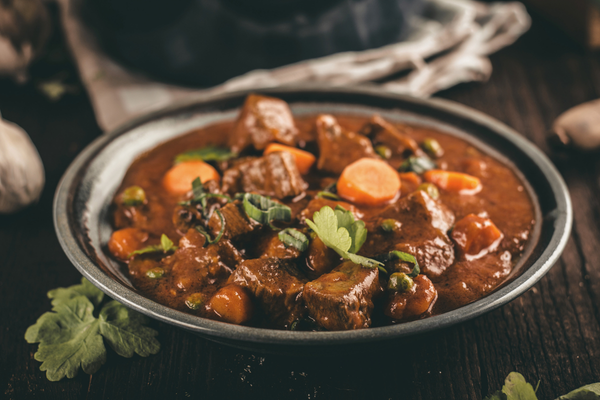
Find out if Minnesota is affected by the Meat Recall in September 2026.
Recall readiness means finding the case and pulling it before the next order goes out. If your Minnesota CFPM is due for renewal, finish the required four-hour refresher before it expires to avoid retaking the exam. Use SFT10 for $10 off Safe Food Training’s online recertification course at checkout. Call (952) 210-0195 or email info@safefoodtraining.com with questions.
