
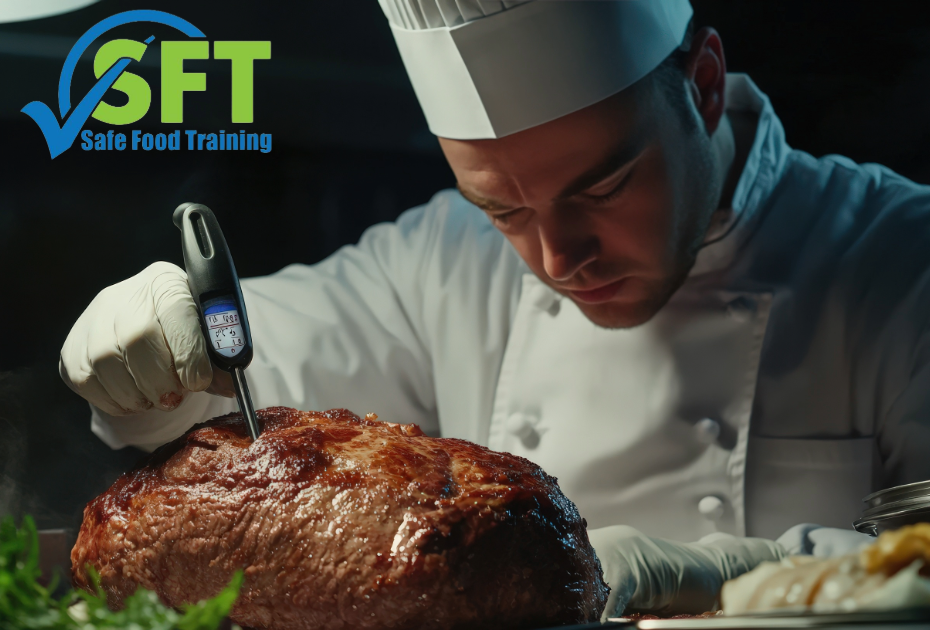
In Minnesota, the “Danger Zone” is the temperature range between 41°F and 135°F where bacteria grow most rapidly. To stay compliant with the Minnesota Food Code, Time/Temperature Control for Safety (TCS) foods must be kept outside this range—either held hot above 135°F or maintained cold at 41°F or below.
If you are managing a busy kitchen during a rush, it is easy to trust the thermometer on the outside of the walk-in cooler or assume the steam table is “hot enough.” However, after years of training food professionals across Minnesota, I’ve seen that relying on guesswork is the fastest way to land a correction order from the health department—or worse, cause a foodborne illness outbreak.
Do you know the rules?
Here is your guide to mastering precision temperature control and keeping your kitchen safe.
Bacteria need little time to become dangerous. In the Danger Zone (41°F – 135°F), bacteria can double in number every 20 minutes. This means a pan of soup left on a prep table for just a couple of hours can turn from safe to hazardous before you even notice.
In a professional kitchen, we aren’t just concerned with “spoiled” food; we are concerned with pathogens such as Salmonella and E. coli that don’t change the appearance, smell, or taste of the food. The only way to prevent this is to control how long food spends in this temperature range.
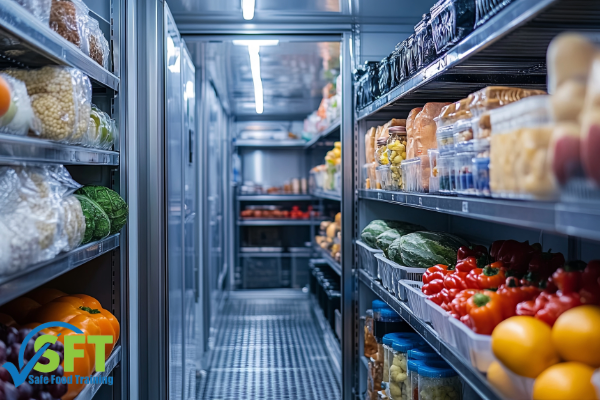
Are your temperature control regulations accurate?
To keep your food safe and your inspection report clean, your staff needs to memorize these three critical thresholds:

What procedures do you use for cooling?
Cooling is where most kitchens get into trouble. You cannot just place a 5-gallon pot of hot chili in the walk-in; it will remain in the Danger Zone for hours and raise the temperature of everything else in the fridge. You must follow the Two-Stage Cooling Process:
|
Stage |
Temperature Drop |
Time Limit |
|
Stage 1 |
135°F down to 70°F |
Within 2 Hours |
|
Stage 2 |
70°F down to 41°F |
Within the next 4 Hours |
|
Total |
135°F to 41°F |
6 Hours Max |
Why 70°F? Bacteria grows even faster between 125°F and 70°F. If you don’t reach 70°F within the first two hours, you must reheat it to 165°F and start over—or discard it.
To stay compliant, I recommend using one of these three methods:
A thermometer is only useful if it’s accurate. If you drop your thermometer, it can easily lose its calibration. We recommend testing your thermometers at least once a week:
Common questions we get about temperature control.
The specific danger zone defined by the Minnesota Food Code is 41°F to 135°F.
Generally, TCS food should not remain in the Danger Zone for over 4 hours. If you aren’t using a specific “Time as a Public Health Control” (TPHC) plan, you must discard it once it reaches the 4-hour mark.
No. Laser thermometers only measure surface temperature. To determine whether a chicken breast or a pot of soup is safe, use a probe thermometer to check the internal temperature.
Understanding these rules is just the beginning. To truly protect your business and your customers, you need a deep dive into the Minnesota Food Code. We offer two ways to get your Certified Food Protection Manager (CFPM) license:
Learn right away if you pass or fail.
|
Feature |
In-Person Training |
Online Training |
|
Best For |
“Get it done in one shot.” |
“Learn on your timeline.” |
|
Pass Rate |
Highest pass rates because of live Q&A. |
High, but requires self-discipline. |
|
Environment |
Distraction-free with immediate feedback. |
Flexible; learn from home or office. |
|
Jeff Webster |
Direct interaction with Jeff. |
Self-paced modules. |
Ready to secure your spot?
Register for an In-Person or Online Course Today at SafeFoodTraining.com
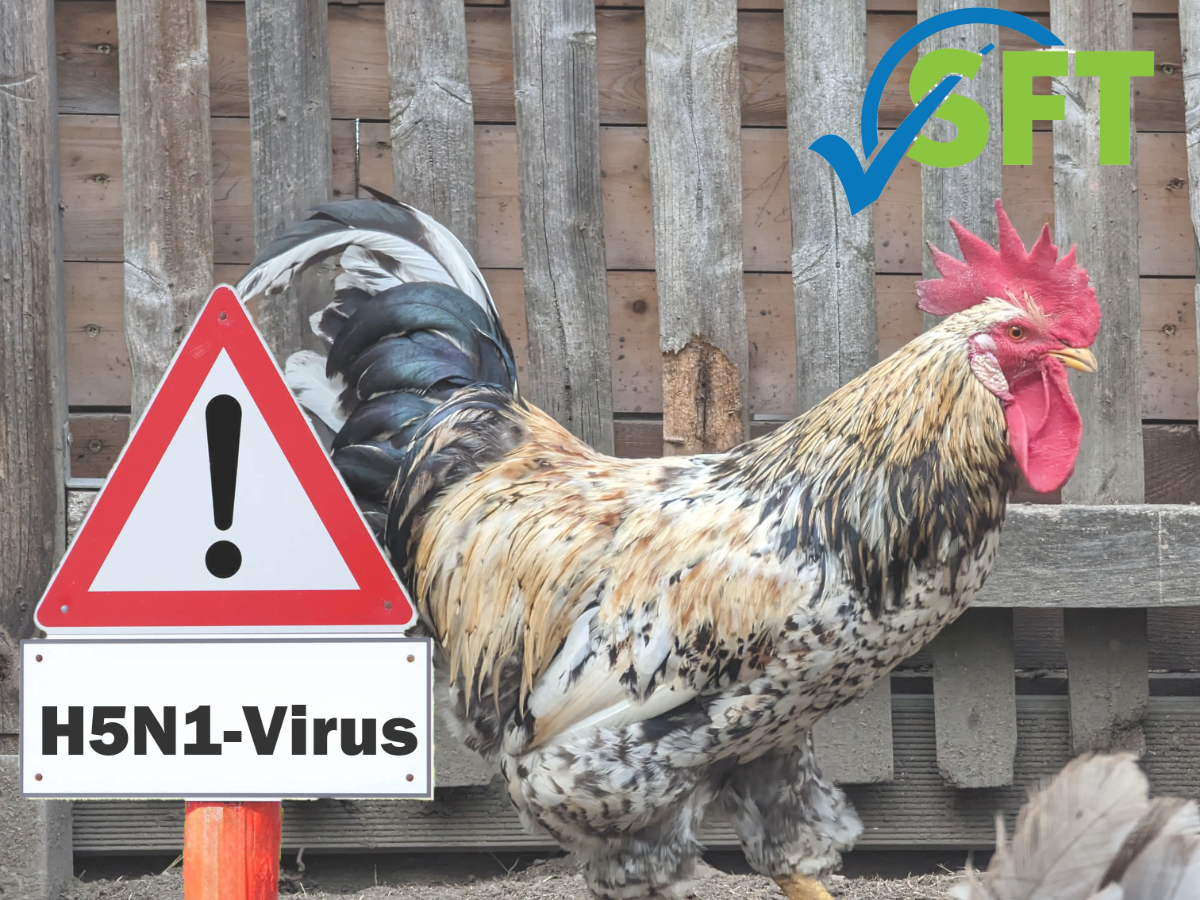

Don’t worry about the bird flu. Just prepare food at safe temperatures!
As we progress through 2025, the ongoing avian influenza (H5N1) situation, commonly referred to as bird flu, continues to require the attention of food service professionals across Minnesota. For the certified food protection manager, understanding the risks and reinforcing safety protocols is fundamental to protecting public health. Your role in upholding Minnesota food safety standards is more critical than ever, despite the low public threat.
The good news is that established food safety practices are highly effective against the virus. Properly handling and cooking poultry to an internal temperature of 165°F kills the avian influenza virus, which means your standard procedures are your best defense.

Certified food protection managers don’t have to worry about the bird flu if they follow proper cooking protocols!
An informed team is a safe team. As a certified food protection manager, it’s your responsibility to ensure every staff member understands their role in protecting your customers and your establishment’s reputation.
By staying informed and doubling down on the foundational principles of food safety, you can confidently navigate the current avian flu situation. Your expertise as a certified food protection manager is the cornerstone of a safe dining experience for all Minnesotans.
Ready to enhance your team’s knowledge or get your required certification? Safe Food Training offers personalized, instructor-led options for your food safety certification in MN and continuing education needs.
Book your continuing education training and ensure you and your team are prepared for any challenge.

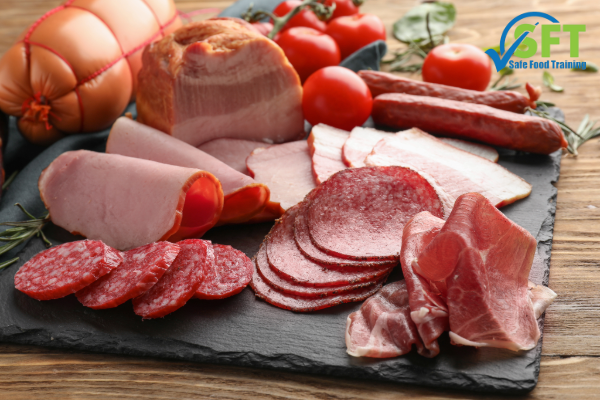
Are you updated on all recalls?
Recent data show a 25% increase in foodborne illness cases across the U.S., driven largely by high-profile outbreaks involving Listeria and Salmonella. For Minnesota food managers, this surge underscores a critical reality: trust in the supply chain is not enough. Rigorous internal protocols, specifically temperature control and supplier verification, are your kitchen’s only true defense against contaminated product.
In the past year, we have witnessed a troubling rise in large-scale recalls. These aren’t just minor isolated incidents; they are systemic failures affecting millions of pounds of product.
Three Major Cases Every Manager Should Know:
Know the recalls and help prevent illness.
The statistics are alarming. In 2024 alone, reported foodborne illnesses jumped by 25% compared to the previous year.

Prevent foodborne illnesses by keeping a close eye on recalls!
Why is this happening?
Experts point to a mix of infrastructural issues, regulatory gaps, and staffing shortages in inspection agencies. In short, the safety net is strained, meaning the last check often falls on you, the kitchen manager.
In my years of teaching, I have seen recalls come and go, but the numbers we are seeing now are different. When the supply chain falters, your kitchen protocols must be airtight.
Here is what you need to do tomorrow:

The FDA and USDA list recalls on their websites.
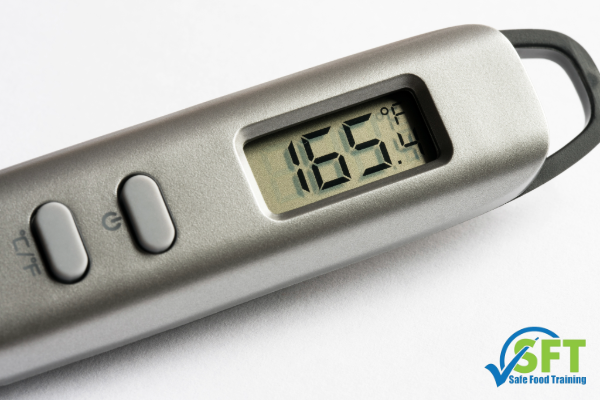
Know the temperature that kills pathogens and bacteria.
No, you can only kill Listeria by cooking it to 165°F. Washing meat creates a cross-contamination risk by splashing bacteria onto sinks and countertops.