A New Look At Food Product Recalls for Certified Food Protection Managers

Food Product Recall Widget For Certified Food Protection Managers

In the very first “Safe Food for Thought”, a blog for certified food protection managers, published on October 30, 2015, we discussed the importance of keeping up to date on food product recalls. As part of that new platform, we included a US foodsafety.gov fed streaming Food recall alert. This feature provides real-time notices of recalls and public health alerts from the U.S. Department of Agriculture (USDA) and the U.S. Food and Drug Administration (FDA), which are listed in the widget 24/7.

You no longer have to lose sleep worrying about serving contaminated food supplied by a manufacturer. Instead, quickly check the widget on our blog once daily to ensure your supplies are safe.

Food Product Recall Widget For Certified Food Protection Managers

On full screen, you will see the Food Safety Recall widget on the right side of our blog page. A slide bar on the right allows you to scroll down to see recalls past recalls. If you find a recall that concerns you, click on it, and you’ll get detailed information. (You must scroll past the most recent blogs on your mobile to find the widget.)

Indeed, paying attention to product recalls is crucial, but it’s equally important to know what constitutes a recalled item. Food product recalls are incredibly specific. Questionable products in your inventory must have all of these details:

  • Same brand
  • Product name
  • Use-by or freeze-by date
  • Establishment number
  • And more.

If you’re unsure, your certified food protection manager can always contact the manufacturer with your information and ask if they recalled the food product.

If the product details match, please follow these steps:

  • Do not open or consume the product!
  • Contact your supplier to return the product or dispose of it according to the instructions in the recall notice. This is vital as it ensures no one else could pick it up and consume it.

By all means, keep yourself and those around you safe by staying informed on recalls and taking proper actions when necessary.

How often do you actively check your inventory products for recalls?

Proven ServSafe Guide For Better Shellfish Storage

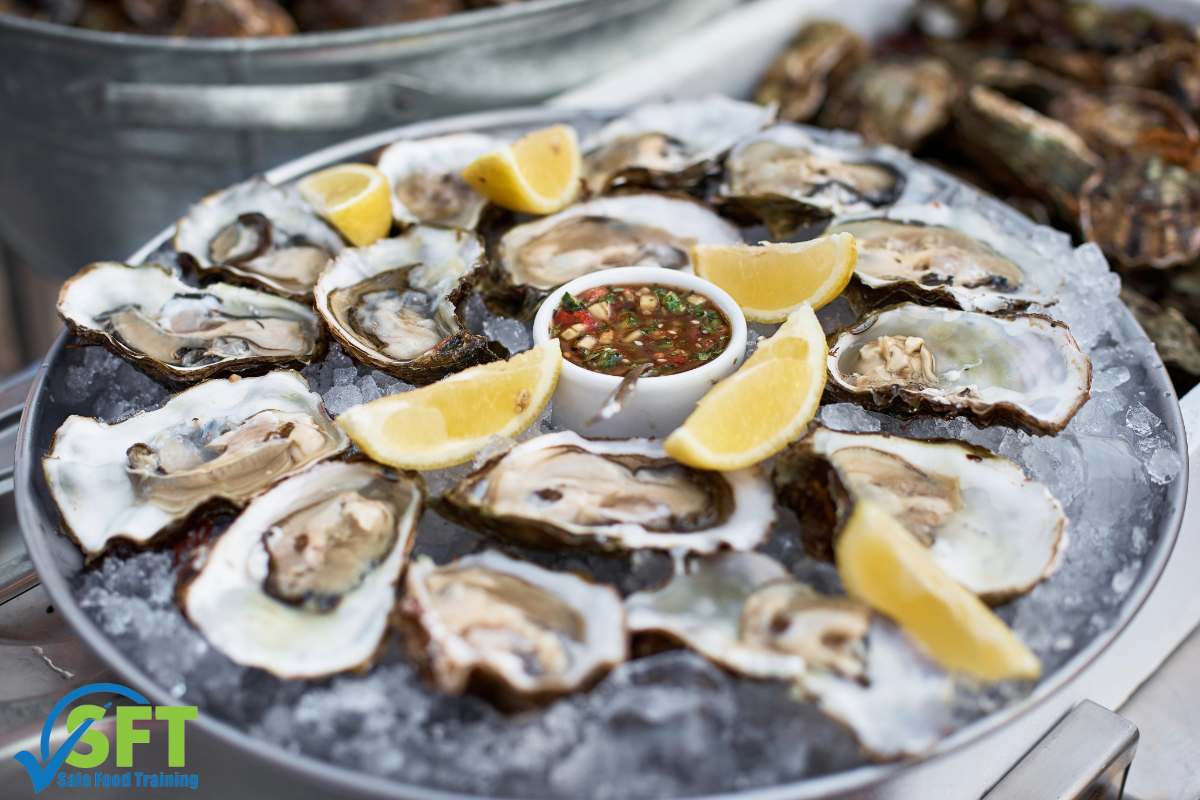
The ocean waters are getting colder, which ushers in the prime season for live mussels from Penn Cove, Washington, North Atlantic clams, or fresh Virginia oysters. The import of live and fresh shellfish can raise ServSafe MN questions, such as how to keep shellfish alive during the storage of these seasonal catches.

Proven ServSafe Guide For Better Shellfish Storage
Image credit: angrysun via 123rf

Fresh Shellfish Storage Tips For ServSafe Managers

In the case of clams and mussels, the best time to cook them is when they are still alive. We recommend that they be cooked, processed, or sold within a day or two of their arrival. This will ensure incredible quality and freshness as well as reduce foodborne illness.

Upon receiving your fresh shellfish and before storage, we first recommend that ServSafe managers inspect them. If they have a pungent odor or you see several open shells, your shipment inevitably has dead clams, mussels, or oysters. The second thing we recommend is that you rinse shellfish under cold, running water. As you do this, be aware that live shellfish will drown if kept under unmoving water.

Once you have rinsed them, ignore your instincts to clean your shellfish, especially mussels. Many times, you will see plant life attached to mussels. This plant life can be attached to the membrane, which holds the shell shut. Removing it will damage and kill your mussels. We suggest that you wait to clean shellfish until just before processing.

ServSafe managers must train staff to keep live shellfish in refrigerated storage under 40oF. They should be stored in a perforated pan and covered with ice. Ensure you place your perforated pan in a deep enough container to accommodate ice melt. Remember that live shellfish will die if submerged.

You should also periodically check your shellfish. A good sign of a dead clam is an open clam while all the other clams are shut firmly. Remove dead shellfish as soon as possible to prevent contamination.

Allergy Concerns

With live shellfish, it is always recommended that you remember that many people can have severe allergic reactions to the slightest contact. To prevent cross-contamination with non-seafood items, ServSafe Managers should store your shellfish as far away as possible from other foods, and never above or below other raw meats. A good suggestion would be to store shellfish on a bottom shelf under packaged foods.

Urgent Christmas News For Frantic MN CFPMs

Typically, we don’t feel it necessary to cover food safety issues emerging out of Europe. Still, this Christmas story from the Netherlands that broke on December 6th may be too crucial of a warning for MN CFPMs to ignore!

For those who do not know, December 6th is Saint Nicholas Day, and on this day, the Netherlands receives their visit from jolly old Saint Nick. There is some speculation, but we are unclear if the Netherlands receives their visit early as some sort of practice run, or if Santa Claus has a special place in his heart for the children of the Netherlands and has decided to visit them on his way north from his rumored Madrid vacation home.

Urgent Christmas News For Frantic MN CFPMs
Image credit: stnicholascenter.org

Only Norwegian CFPMs From MN Know What Speculaas Is

As it turns out, this December 6th, one innocent young child left a nice warm glass of raw milk and a few unwrapped Speculaas on the mantle for Santa. While the youngster meant well, he didn’t know that years of poor diet had left good old Saint Nick susceptible to the existing bacteria and multiplied in raw milk left at room temperature. Unfortunately, he gave Santa a nasty head cold by handling those tasty spice cookies with bare, unwashed hands.

Thankfully, Mrs. Claus has recently forced Santa to take a fully trained and licensed doctor elf with him on his journey in case of emergency, along with a backup pilot elf in case Santa cannot operate the sleigh. Santa was able to leave presents in the shoes of the sleeping Dutch children, thanks to some help from his elves, and return home to recuperate from his symptoms. The good news is that it appears that jolly old Saint Nick will be up and ready for his annual Christmas Eve flight next week.

Safe Food Training is always trying to find ways to make MN CFPMs aware of food safety and other hospitality industry issues, even when we risk alarming all of our 3 to 7-year-old readers about Santa’s frailties.

We want to take a moment to thank the MN CFPMs for their hard work this busy season and for their diligence in keeping food safe for Santa and all others they have served this holiday season and throughout the year! We sincerely hope you get a chance to relax and enjoy time with your family and friends during this holiday season, and we hope 2024 is a highlight of your life and career!

HAPPY HOLIDAYS FROM US TO YOU!

Special ServSafe Tips For Serving Raw Fruits And Vegetables

ServSafe Tips for Serving Raw Fruits and Vegetables

On November 17, the CDC announced a new multistate outbreak of Salmonella illnesses that has been linked to cantaloupes. Those who have studied ServSafe in MN know that incredible care must be taken with meats, dairy, and eggs in order to prevent food-borne illness, but potential issues with raw fruits and vegetables are frequently overlooked.

Special ServSafe Tips For Serving Raw Fruits And Vegetables
Image credit: smileus via 123rf

ServSafe Tips for Preventing Food-Borne Illness from Raw Fruits and Vegetables

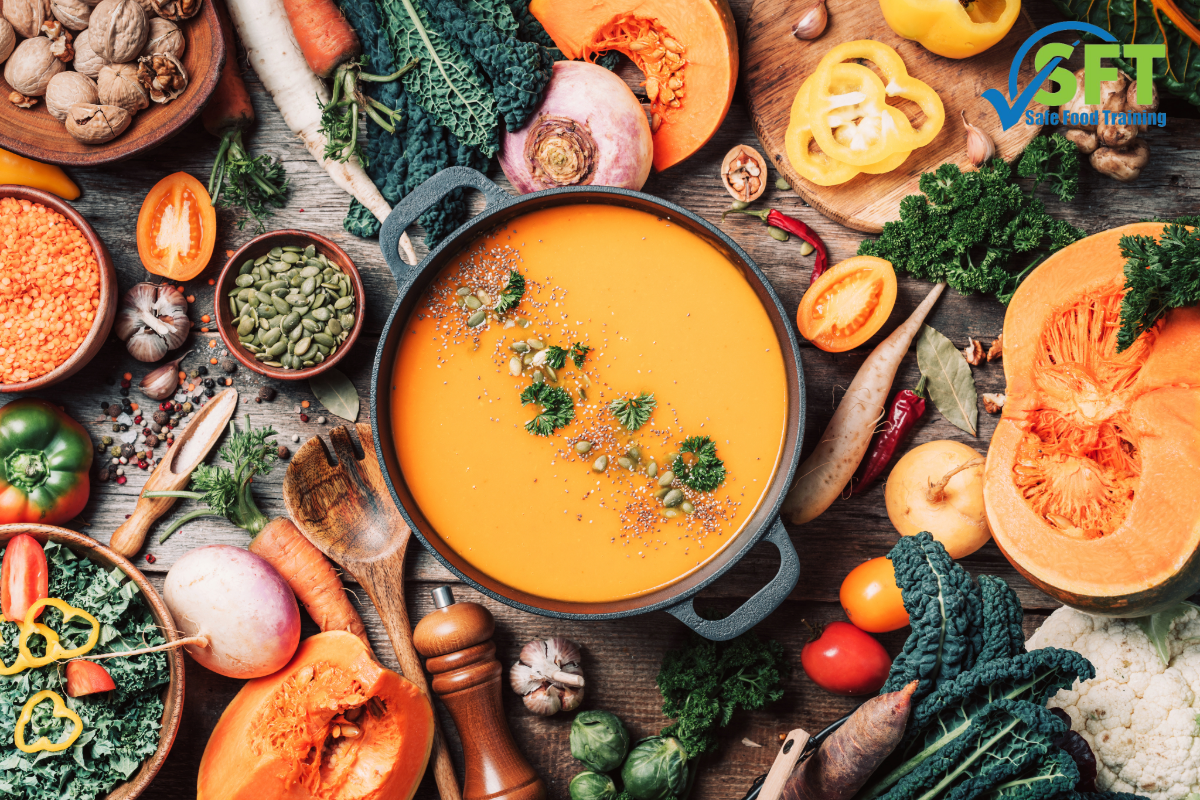
The first step in preventing the spread of foodborne illness is to wash raw produce. It may be easy to cut fruits and vegetables such as tomatoes, cucumbers, and oranges that appear to be ready for preparation, but just because something looks clean and ready to eat does not necessarily mean that it is. Invisible remnants of soil, fertilizer, or other contaminants may still exist on the surface.

There are certain fruits, such as melons and tree fruits, in which the rind is not eaten. Those should still be washed or peeled before serving. There have been cases where food-borne illness has spread from bacteria on the rinds of melons or citrus fruits. Bacteria can be spread by a lemon sliced and used as a garnish in a glass of water or from a slice of cantaloupe in which the knife used to slice it has picked up contaminates from an unwashed peel.

Common Raw Fruits and Vegetables that Cause Food-Borne Illness

While any raw fruit or vegetable can cause food-borne illness, and steps learned in ServSafe MN should be used to prevent tainted food from reaching customers, a few specific items should be given extra care.

  • Sprouts
  • Melons
  • Leafy greens
  • Root vegetables

Sprouts have become such a hazard for food-borne illnesses that many restaurants and stores have stopped selling them. Before serving uncooked sprouts, particular attention should be taken to ensure they have been thoroughly cleaned.

Melons, especially cantaloupe, have been a notorious hazard in recent years. The rugged rind of the cantaloupe can shelter bacteria from a quick wash.

Leafy greens and root vegetables grow in or near the soil. This means having more contact with dirt, natural and chemical fertilizers, and other contaminants. These items should be thoroughly washed, and root vegetables to be served raw, such as carrots, should be washed before peeling to prevent bacteria from contaminating preparation utensils.